walking upstream…
Ben E. King

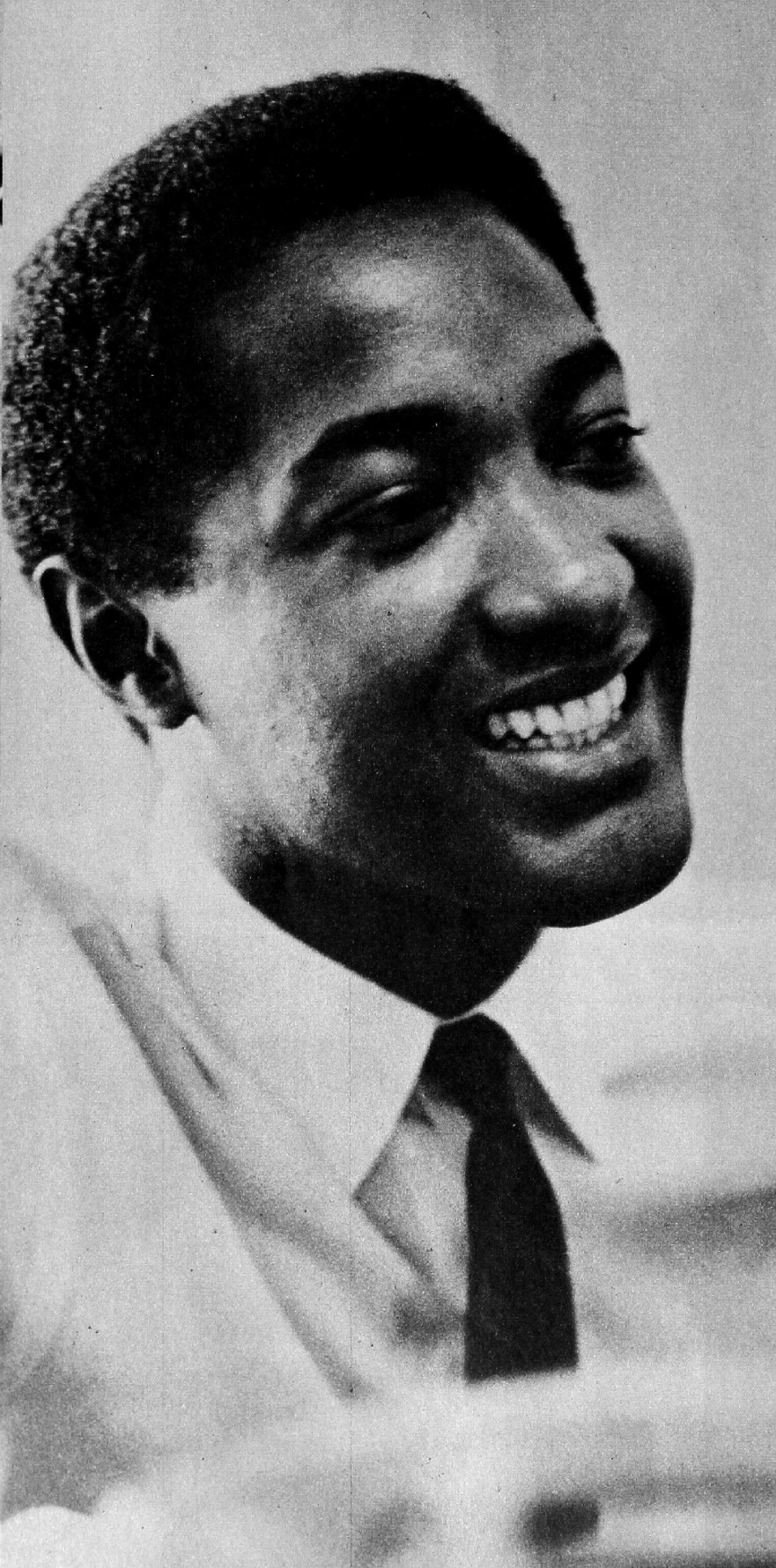
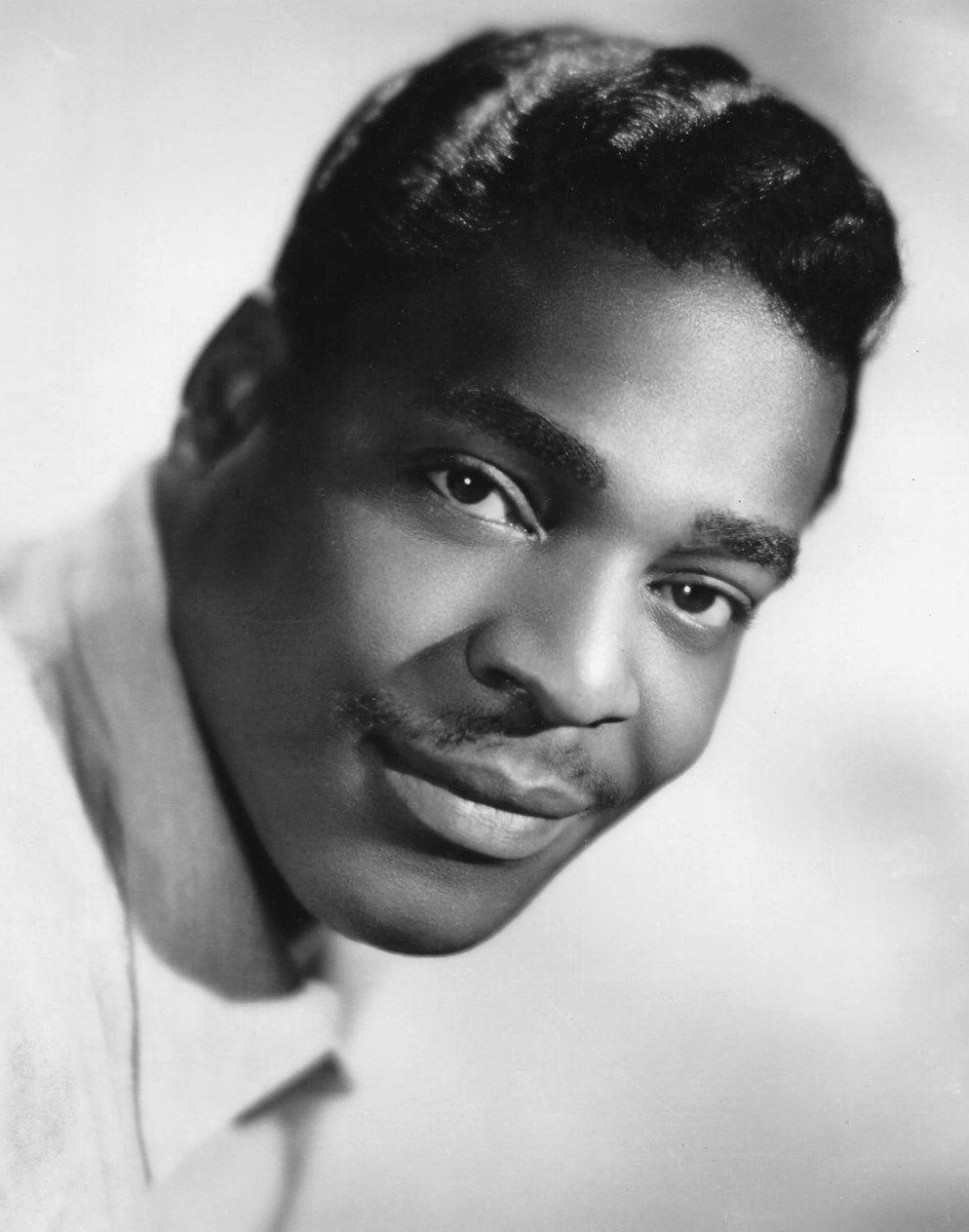
 photo: michael borkson · cc by 2.0 ↗
Ben E. King
sourcesThe New York Times — "Ben E. King, Soulful Singer With the Drifters, Dies at 76" (bio and the Ken Emerson vocal-style quote) · The New York Times — "Brook Benton, Singer of Hit Tunes Known for His Ballads, Dies at 56" (Benton's gospel-choir background and vocal style) · royhamilton.net — official tribute biography (Roy Hamilton's church background and breakthrough single) · BlackPast.org — "Ben E. King (1938-2015)" (corroborates King's early biography)
Ben E. King was working the counter of his father's Harlem luncheonette in 1956 when the talent manager Lover Patterson heard him singing to himself and signed him into a doo-wop group, the Five Crowns. Two years later, at the Apollo Theater, the Drifters' manager fired that group outright and handed its name to Patterson's singers, with King (born Benjamin Nelson) out front. He co-wrote and sang lead on "There Goes My Baby," then quit in a 1960 pay dispute and took his new surname from a favorite uncle. "Spanish Harlem" and his own composition "Stand by Me" — cut with Jerry Leiber and Mike Stoller — followed within a year, the latter returning to the charts in 1986 via Rob Reiner's film. The critic Ken Emerson put it best: King's voice kept "a gospel grit" under an "easy, debonair style."
the sound in question
1961
Stand by MeBen E. King
walk the tributaries ↓
Roy Hamilton1950s · R&B / Pop / Gospel
Named last but closest to the mark, Hamilton is the one King credited for the record's very sound: "The song's success lay in the way Leiber and Stoller took chances, though, borrowing from symphonic scores, and we had a brilliant string arranger," he told The Guardian. That symphonic instinct was Hamilton's own signature — a Baptist-choir baritone framed in dramatic orchestral builds ever since his 1954 breakthrough, a formula King's own arrangers carried straight into "Stand by Me."
listen: upstream & heresource: BBC News — "Ben E King, Stand By Me singer, dies at 76" (King's own naming of Sam Cooke, Brook Benton and Roy Hamilton as influences on "Stand by Me") ↗
1954
You'll Never Walk AloneRoy Hamilton
1961
Stand by MeBen E. King
listen forPlay Hamilton's 1954 "You'll Never Walk Alone" back to back with King's 1961 "Stand by Me." Both open almost bare — a restrained verse over a spare, insistent pulse — before strings rise underneath and the vocal opens into a bigger, more dramatic register on the way to the title line. It's the exact "symphonic scores" move King named: the quiet verse is a fuse, and the chorus is where it catches.
Sam Cooke1960s · Soul / R&B / Gospel
In a 2013 interview about how "Stand by Me" came together, King named his own models: "I had a lot of influences, too - singers like Sam Cooke, Brook Benton and Roy Hamilton," he told The Guardian. Cooke came first, and the debt tracks: both men learned to sing in church, Cooke as lead of the gospel group the Soul Stirrers before he carried that unhurried, melismatic phrasing into pop. King's Harlem doo-wop apprenticeship ran the same route from choir loft to chart, arriving at a voice equally at home confiding and testifying.
listen: upstream & heresource: BBC News — "Ben E King, Stand By Me singer, dies at 76" (King's own naming of Sam Cooke, Brook Benton and Roy Hamilton as influences on "Stand by Me") ↗
1957
You Send MeSam Cooke
1960
Spanish HarlemBen E. King
listen forNo King recording of a Cooke song survives, so play Cooke's 1957 breakthrough "You Send Me" against King's 1960 "Spanish Harlem" instead. Both ride a simple, repeated melodic hook rather than a wordy verse, and both singers underplay it — Cooke's voice barely rising above conversation, King's floating the same unhurried, warm tone over Phil Spector's arrangement. The kinship is in restraint: neither man ever oversings a hook built to seduce, not to impress.
Brook Benton1950s–1960s · R&B / Soul / Pop
Named second in that same breath, Benton followed a path nearly identical to King's own: he grew up singing in a Methodist choir in Camden, South Carolina, where his father served as choirmaster, before The New York Times later described him as "a big-voiced, silky singer who conveyed urbane, adult passion" behind lush orchestral ballads. That description could pass for King's own sound on "Stand by Me" — the gospel-trained baritone dressed in strings, never straining to prove it.
listen: upstream & heresource: BBC News — "Ben E King, Stand By Me singer, dies at 76" (King's own naming of Sam Cooke, Brook Benton and Roy Hamilton as influences on "Stand by Me") ↗
1959
EndlesslyBrook Benton
1962
Don't Play That Song (You Lied)Ben E. King
listen forCue Benton's 1959 hit "Endlessly," then King's 1962 "Don't Play That Song (You Lied)." Both pair a warm, unhurried baritone with a slow-building, string-laced arrangement that never rushes toward its hook — Benton's voice barely above a murmur before the strings swell, King answering with the same held-back phrasing over a matching orchestral cushion. It's the sound of two gospel-schooled voices choosing restraint over volume.