walking upstream…
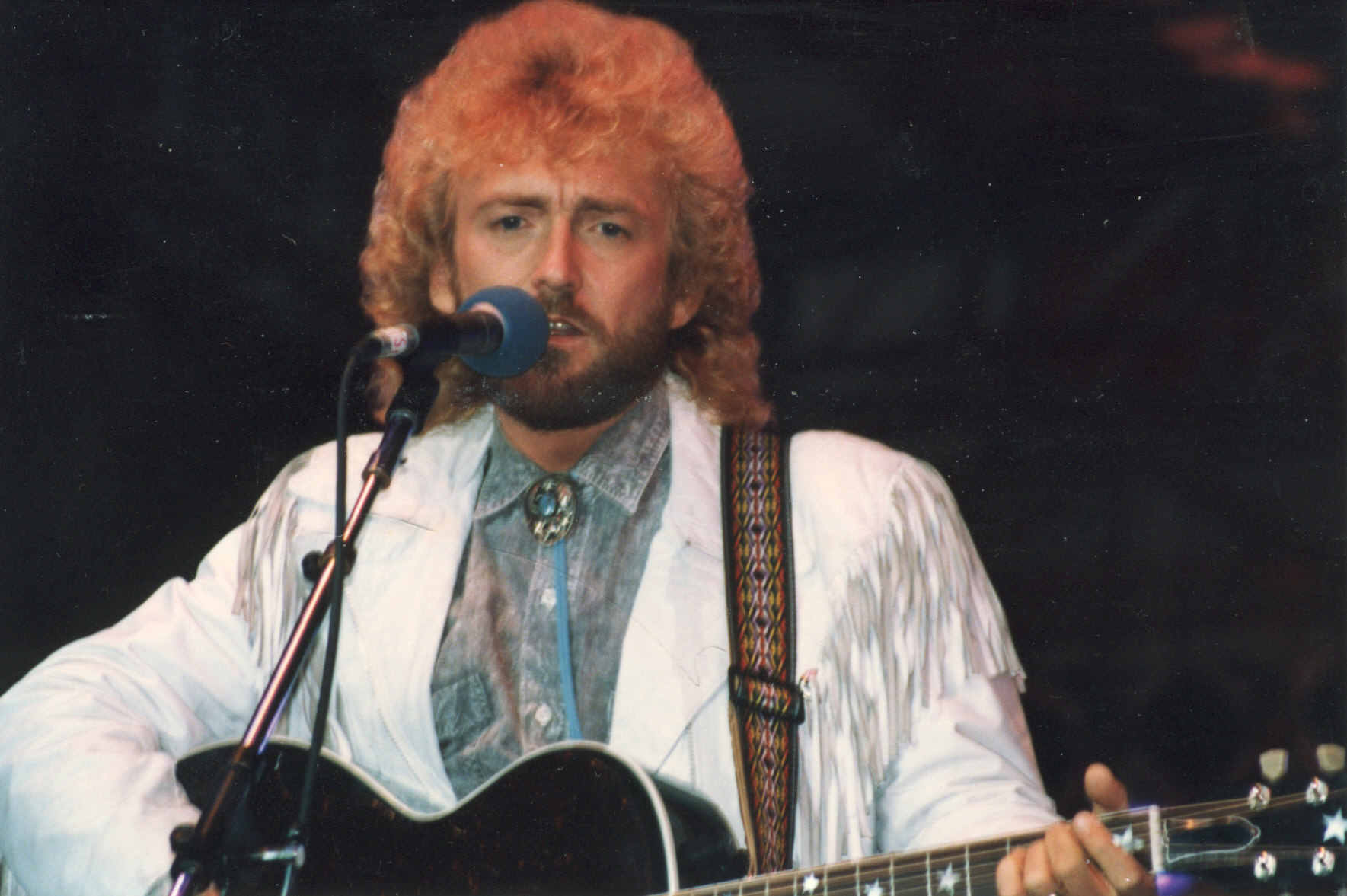
Keith Whitley


sourcesCountry Music Hall of Fame — official Keith Whitley biography (career arc, childhood influences, Stanley discovery) · Alan Cackett — Keith Whitley · Bluegrass Today — On This Day #52 · The Boot — How Keith Whitley's Short Career and Early Death Changed Country Music, 2021 (career overview, quotes) · AllMusic — Somewhere Between review (Lefty Frizzell-style vocals on the 1982 J.D. Crowe & the New South LP)
On January 8, 1971, two Kentucky teenagers cut a dozen Stanley Brothers songs so exact that Ralph Stanley, who had discovered them a year earlier sure he was hearing his own old records on a jukebox, had hired them into his band. One was Keith Whitley, born in Sandy Hook, Kentucky, in 1954, a prodigy who had been on the radio since age eight. He spent the 1970s in bluegrass, with Stanley's Clinch Mountain Boys and then J.D. Crowe & the New South, before chasing the honky-tonk records he had loved since childhood to Nashville. His RCA breakthrough, 1988's Don't Close Your Eyes, helped define the decade's neotraditional-country revival: three straight number ones from a singer who could bend a single note into a small drama of its own. He died of alcohol poisoning in 1989 at 34, weeks before a Grand Ole Opry induction he never learned was coming.
the sound in question
1988
When You Say Nothing at AllKeith Whitley
walk the tributaries ↓
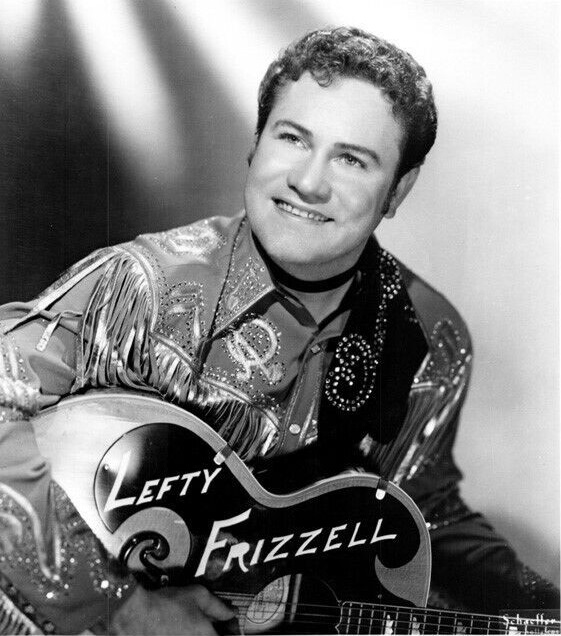
Lefty Frizzell1950s · Honky-tonk / Country
Whitley's favorite singer, by everyone's account including his own producer's, was Lefty Frizzell -- and when he finally cut Frizzell's own song "I Never Go Around Mirrors" for 1988's Don't Close Your Eyes, he treated it like a rite. He talked Frizzell's co-writer, Whitey Shafer, into adding a new verse and brought in Frizzell's brother Allen to sing harmony. Then, the morning of the session, he drove out to the cemetery. "Keith was such a huge Lefty fan, he actually went that morning to Lefty's grave and read the verse over his grave before he went to the studio to cut it," his road manager, Carson Chamberlain, recalled.
listen: upstream & heresource: Billboard — Remembering the Lasting Influence of Lefty Frizzell, 2024 (Carson Chamberlain on the grave visit) ↗
1973
I Never Go Around MirrorsLefty Frizzell
1988
I Never Go Around MirrorsKeith Whitley
listen forPlay Frizzell's 1973 original next to Whitley's 1988 remake and count the notes hiding inside single syllables. Frizzell curls "mirrors" into two or three pitches and lets a line trail off mid-thought rather than run out of breath -- a technique, per one Frizzell retrospective, few singers who followed even realize they inherited. Whitley matches that same elastic stretch word for word on the identical lyric, the clearest inherited vocal fingerprint on this page.
Ralph Stanley1950s · Bluegrass / Old-time / Gospel
In 1970, when Ralph Stanley's band was delayed reaching a gig in Fort Gay, West Virginia, the club called up two local teenagers to fill in. Stanley walked in mid-set and thought he was hearing his own old jukebox record -- until he found two high schoolers doing, in his words, "the Stanley Brothers better than the Stanley Brothers." He hired fifteen-year-old Whitley on the spot and spent most of the decade as his singing teacher. Whitley never lost the debt: "I learned a lot from Ralph Stanley, he was a real good teacher," he said in his last interview, "but the road work was real tough."
listen: upstream & here
1959
White DoveRalph Stanley
1971
White DoveKeith Whitley
listen forCue the Stanley Brothers' "White Dove" beside the version teenage Whitley cut with Ricky Skaggs on their 1971 tribute LP, recorded with Ralph Stanley's own band behind them. The same close, keening high harmony is there, pitched to ache rather than swing. What's missing is any trace yet of the honky-tonk baritone Whitley would grow into a decade later -- this is the bluegrass voice before Nashville got hold of it.
George Jones1950s–80s · Country / Honky-tonk
There's no interview where Whitley names George Jones the way he named Frizzell, and no Jones song he's known to have covered -- this debt is one of vocal grammar, not a documented meeting or session. The Country Music Hall of Fame's official biography credits Whitley's "note-bending vocal style" to a blend "modeled after Lefty Frizzell and George Jones," a pairing critic Alan Cackett's own profile repeats almost word for word. It's the thinnest-sourced of Whitley's three influences, but the sound makes its own case.
listen: upstream & here
1962
She Thinks I Still CareGeorge Jones
1988
I'm No Stranger to the RainKeith Whitley
listen forNeither song borrows a line from the other -- there's no cover here, only a shared restraint. Play Jones's 1962 "She Thinks I Still Care" against Whitley's 1988 "I'm No Stranger to the Rain" and listen for how both refuse to oversing a devastating lyric, each holding a level, unhurried delivery -- not vocal fireworks -- to carry the heartbreak.