walking upstream…
Sturgill Simpson
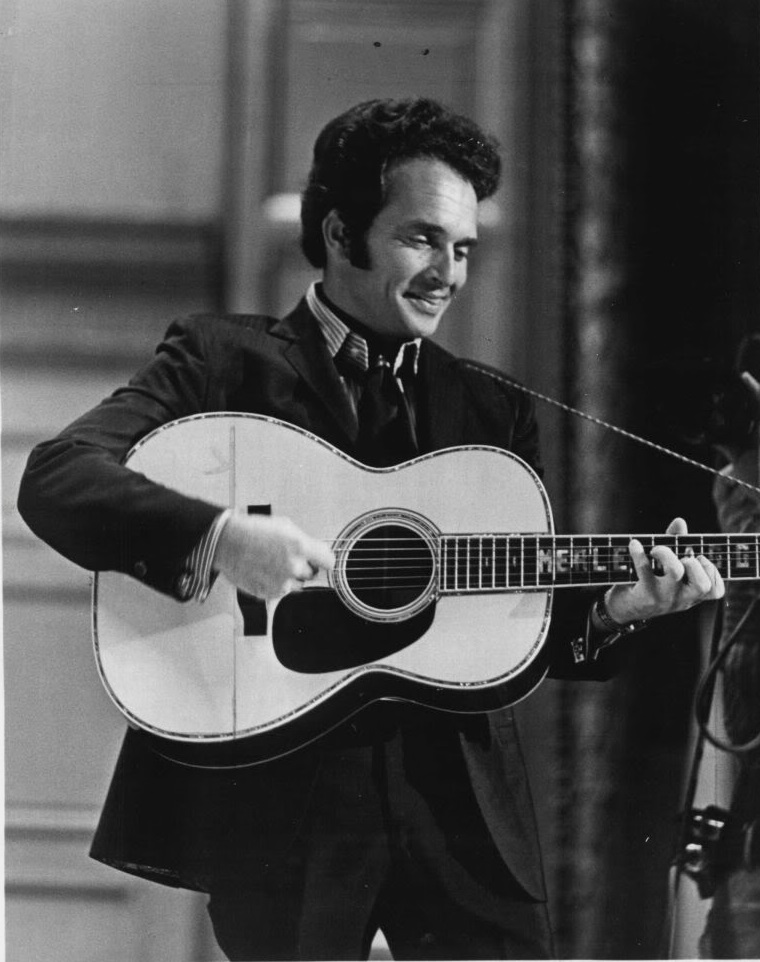

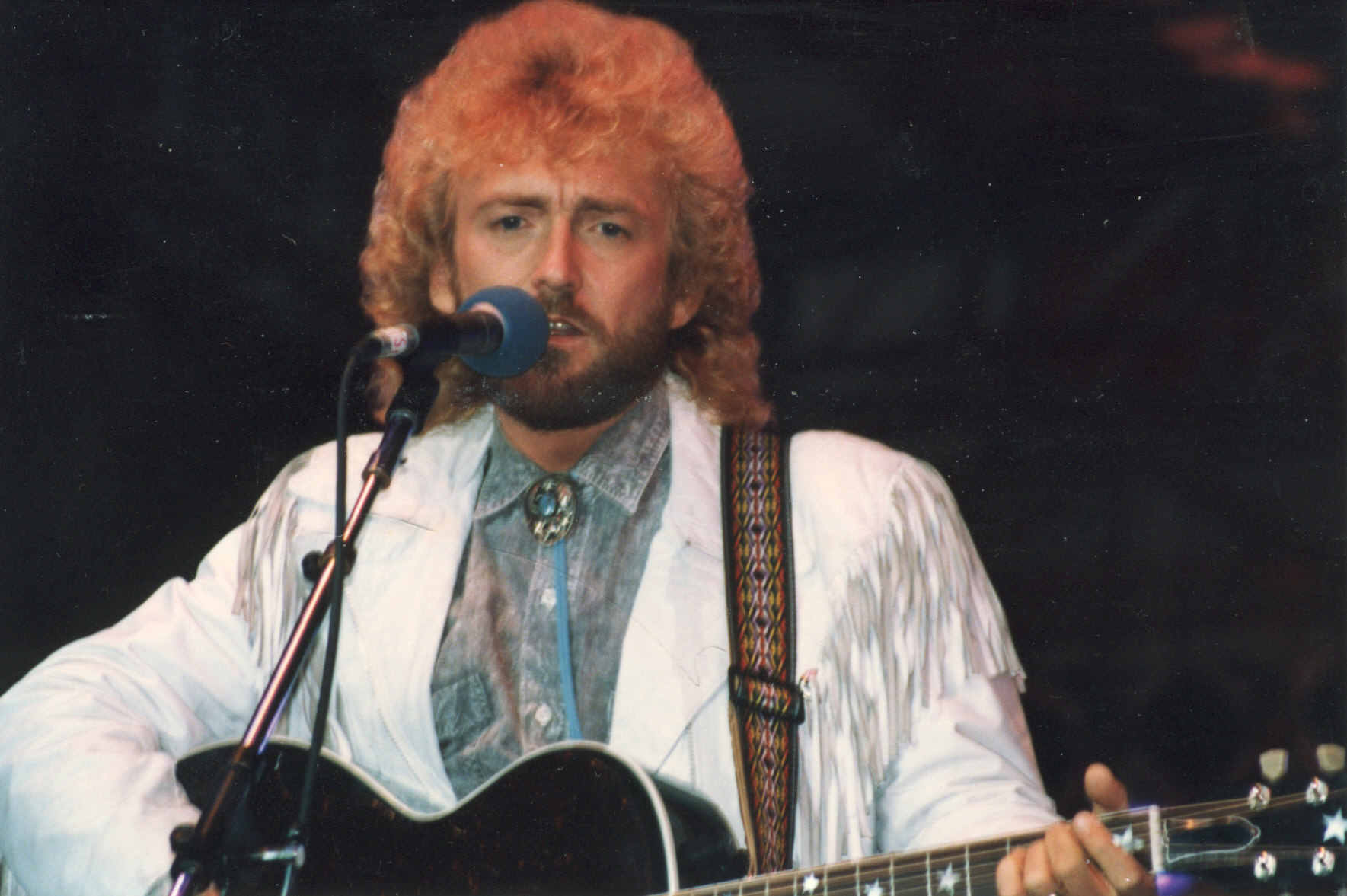
 photo: atlantic records · cc by-sa 4.0 ↗
Sturgill Simpson
sourcesWikipedia
Born in 1978 in Jackson, Kentucky, Sturgill Simpson served in the Navy and worked railroad and government jobs before returning to music, fronting the band Sunday Valley and then self-releasing his solo debut High Top Mountain in 2013. His 2014 breakthrough Metamodern Sounds in Country Music fused honky-tonk twang with cosmic, psychedelic songwriting, and A Sailor's Guide to Earth (2016) won the Grammy for Best Country Album; he has since jumped between bluegrass, rock, and soundtrack work while producing Tyler Childers's Purgatory (2017) and Country Squire (2019).
the sound in question
2014
Turtles All the Way DownSturgill Simpson
walk the tributaries ↓
Merle Haggard1960s–70s · Country / Bakersfield sound / Outlaw country
Simpson has repeatedly named Merle Haggard among his biggest influences; the two grew close in Haggard's final years, co-writing "Hobo Cartoon" together, with Haggard texting him lyrics from the hospital captioned "from one railroad man to another" (both had worked railroad jobs).
listen: upstream & heresource: Saving Country Music ↗
1968
Mama TriedMerle Haggard
2014
Long White LineSturgill Simpson
listen forPlay Haggard's unhurried, road-worn 'Mama Tried,' then Simpson's own trucking song 'Long White Line' — both ride a plain, driving honky-tonk band under a conversational, quietly sung vocal.
Willie Nelson1970s · Outlaw country / Country / Americana
Simpson has said he looked up to and listened to Willie Nelson more than anyone growing up, and has cited Nelson's concept album Red Headed Stranger as a direct influence on his own songwriting, saying he's 'only ever really been interested in concept albums.'
listen: upstream & heresource: Whiskey Riff ↗
1973
Whiskey RiverWillie Nelson
2014
It Ain't All FlowersSturgill Simpson
listen forCue up the loping, road-tested groove of Nelson's 'Whiskey River,' then Simpson's woozy, psychedelic-leaning 'It Ain't All Flowers' — both take a plain country foundation and push it somewhere stranger than a typical Nashville single.
Keith Whitley1980s · Neotraditional country / Honky-tonk / Bluegrass
Simpson has named Keith Whitley — the neotraditional balladeer who died in 1989 — among the artists who were huge influences on his music, drawing on Whitley's ability to wring maximum ache from a slow, understated country ballad.
listen: upstream & heresource: Whiskey Riff ↗
1988
When You Say Nothing at AllKeith Whitley
2013
Sitting Here Without YouSturgill Simpson
listen forListen to the aching restraint of Whitley's 'When You Say Nothing at All,' then Simpson's own heartbreak ballad 'Sitting Here Without You' — both let a quiet, unhurried vocal carry the emotional weight rather than reaching for a big note.