walking upstream…
Art Tatum
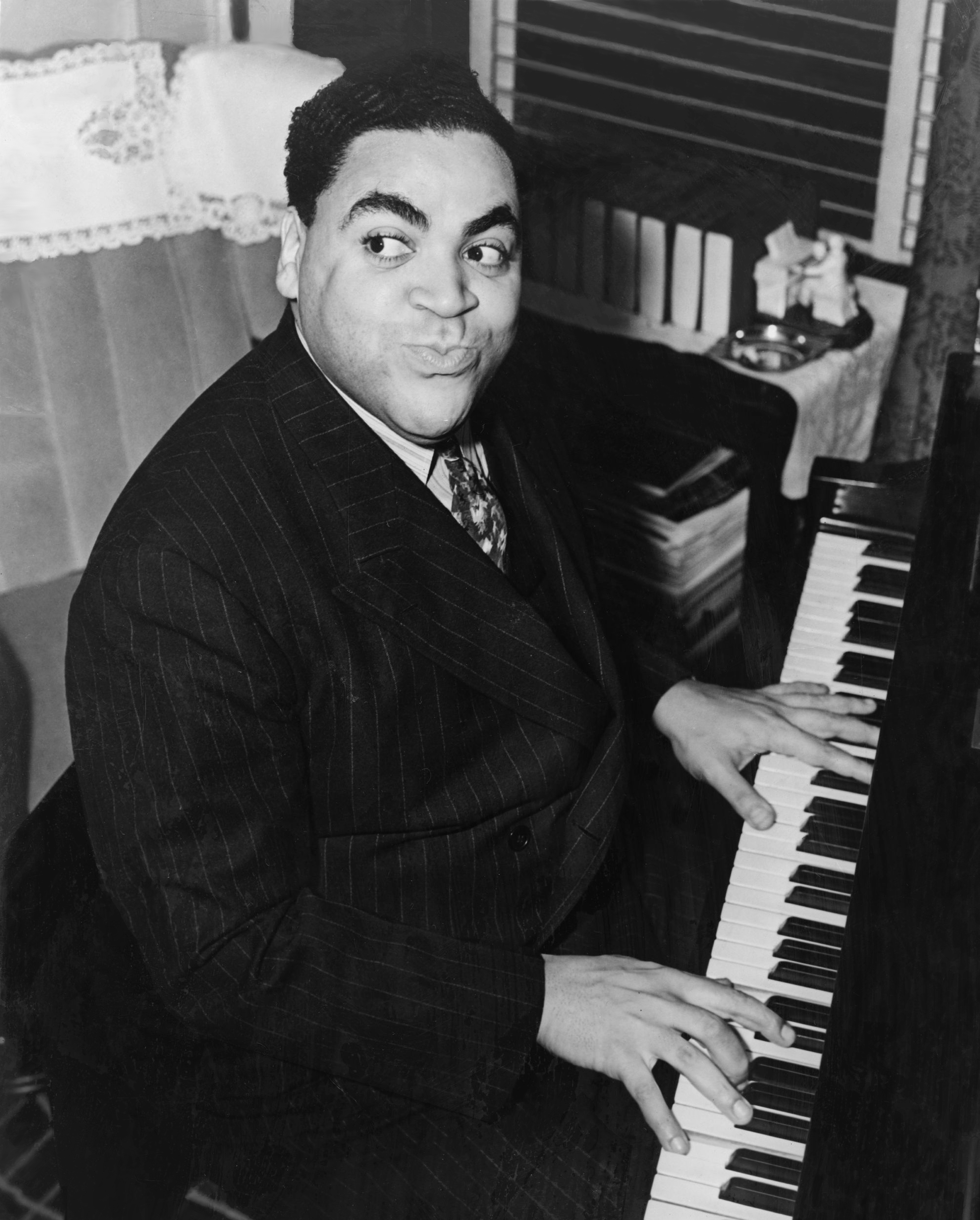


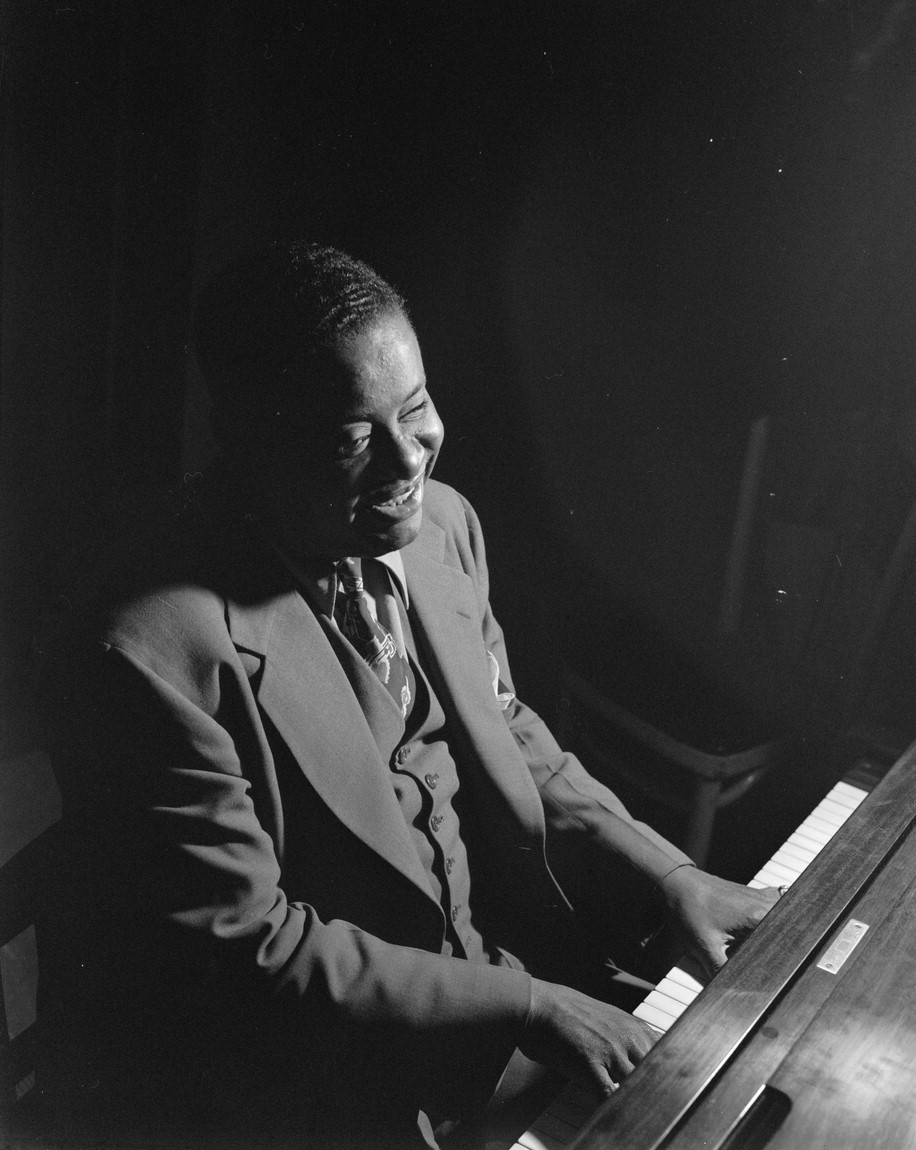
Arthur Tatum Jr. was born October 13, 1909, in Toledo, Ohio, with cataracts that left him blind in one eye and barely sighted in the other; an assault in 1930 took more of what vision remained. He was entirely self-taught, picking out hymns by ear before he was three and later copying tunes off his mother's player piano, and by his late teens he was working the nightclub circuit strung between Toledo, Cleveland, Detroit, and Chicago. In 1931 the singer Adelaide Hall discovered him mid-tour and carried him to Harlem, where two years later he walked into a cutting contest at a bar called Morgan's, faced the city's reigning stride pianists, and left having redrawn what the style could hold. He died in Los Angeles on November 5, 1956, having spent two decades teaching every pianist who followed him a harder harmonic vocabulary.
the sound in question
1949
Willow Weep for MeArt Tatum
walk the tributaries ↓
Fats Waller1920s–30s · Stride piano / Jazz
Tatum named no one else first: biographers list Waller as the influence he most consistently cited, the stride pianist whose left-hand drive and harmonic reach gave a self-taught teenager his first real style to copy. The debt ran both ways. Waller's own verdict on the younger man survives in one line, delivered from a bandstand the moment Tatum walked into the room: "I only play the piano," he said, "but tonight God is in the house." In 1933 the two shared a stage again, at a Harlem cutting contest where the reigning stride players traded showpieces at a bar called Morgan's.
listen: upstream & heresource: The Syncopated Times — Influence and Art Tatum (Fats Waller's 'God is in the house' verdict on Tatum) ↗
1929
Handful of KeysFats Waller
1933
Tiger RagArt Tatum
listen forWaller's "Handful of Keys" is stride at its most muscular — a steady, rolling left hand keeping dance-hall time while the right hand runs decorative figures on top, never straying far from the beat underneath. Tatum's "Tiger Rag," recorded that same year, keeps Waller's rolling pulse intact but multiplies everything above it: runs that outrun the tempo, harmonies that wander further from the melody before snapping back into place. Listen for the identical stride skeleton under wildly different flesh — the same engine, redlined.
James P. Johnson1920s · Stride piano / Jazz / Ragtime
Johnson was stride piano's inventor, the pianist whose alternating-bass left hand every serious player in Harlem had to master before claiming the title. When the young Tatum arrived in New York and stepped into a 1933 cutting contest at Morgan's bar against Johnson, Fats Waller, and Willie "The Lion" Smith, he picked Johnson's own signature turf to prove himself, playing "Tea for Two." Johnson said afterward it was the first time he had really heard the tune at all: "When Tatum played Tea For Two that night I guess that was the first time I ever heard it really played."
1921
Carolina ShoutJames P. Johnson
1933
Tea for TwoArt Tatum
listen forJohnson's "Carolina Shout" is the stride test piece — a left hand that never stops walking, alternating bass notes and mid-register chords in a pattern built to sound like a rhythm section by itself. Tatum's "Tea for Two" runs on that same alternating-bass engine, but listen to what happens above it: instead of Johnson's stomping right-hand riffs, Tatum layers cascading runs and reharmonized chords that turn a simple pop tune into something closer to a concerto compressed into three minutes.
Earl Hines1930s · Jazz
Waller was the influence Tatum named in public; Hines was the one he studied in private. Pianist Teddy Wilson and saxophonist Eddie Barefield, who knew both men, put it plainly: "Art Tatum's favorite jazz piano player was Earl Hines. He used to buy all of Earl's records and would improvise on them." Hines had already broken from pure stride toward single-note lines that mimicked a horn, and his swing-era radio broadcasts reached a generation of pianists that included Nat King Cole and, by his own contemporaries' account, Tatum himself.
listen: upstream & here
1933
RosettaEarl Hines
1940
HumoresqueArt Tatum
listen forOn "Rosetta," Hines trades stride's rolling left hand for something closer to a horn solo — short, staccato jabs and single-note runs, what one essay comparing the two pianists calls working "the rhythm" rather than racing through it. Tatum's 1940 "Humoresque" takes that same freedom from the stride left hand and answers it in the opposite temperament: instead of Hines's syncopated space, "lightning-quick phrase[s] packed with more notes than you could imagine." Same escape from stride's frame, run through two different engines.