walking upstream…
Elton John

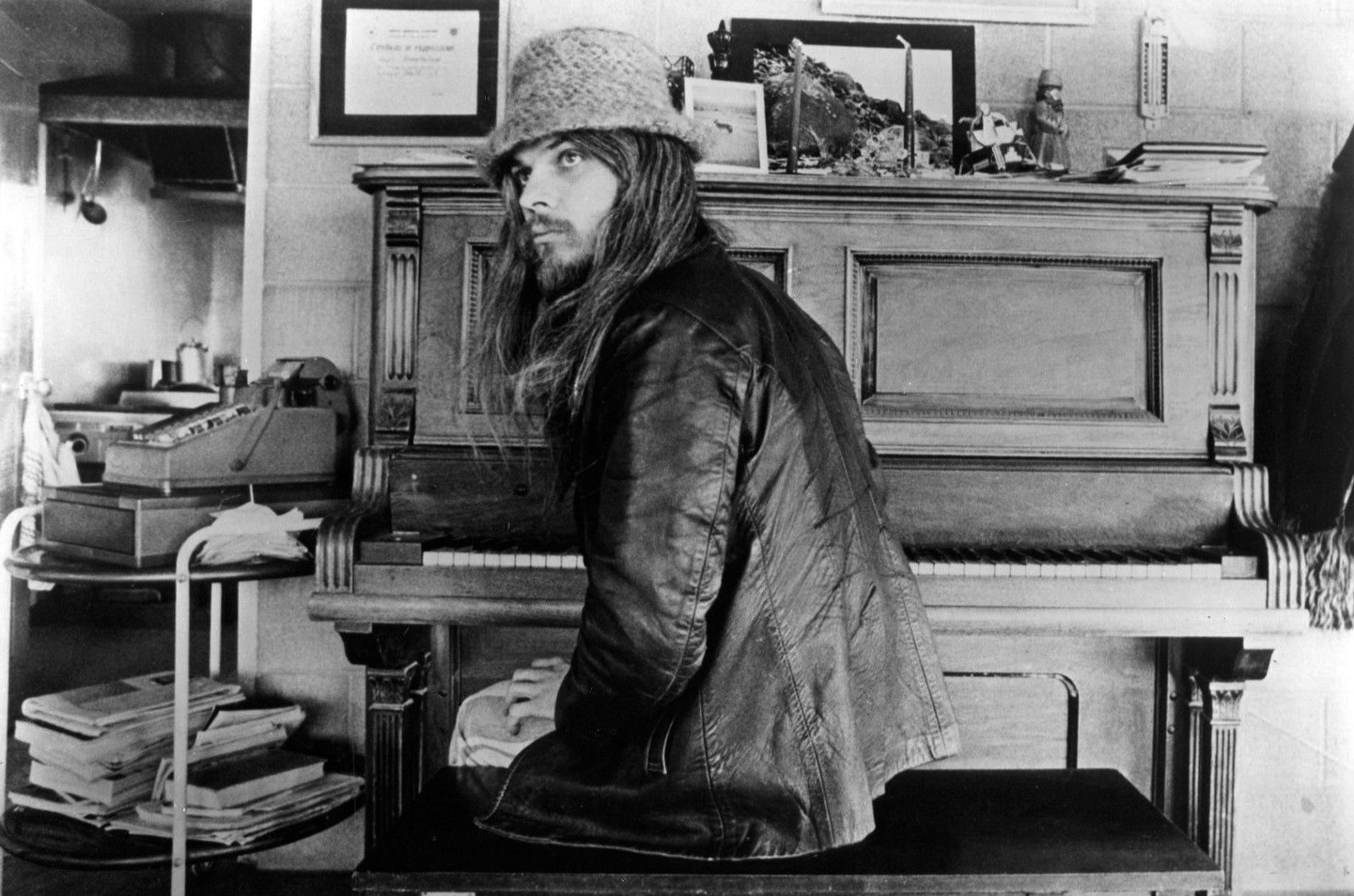

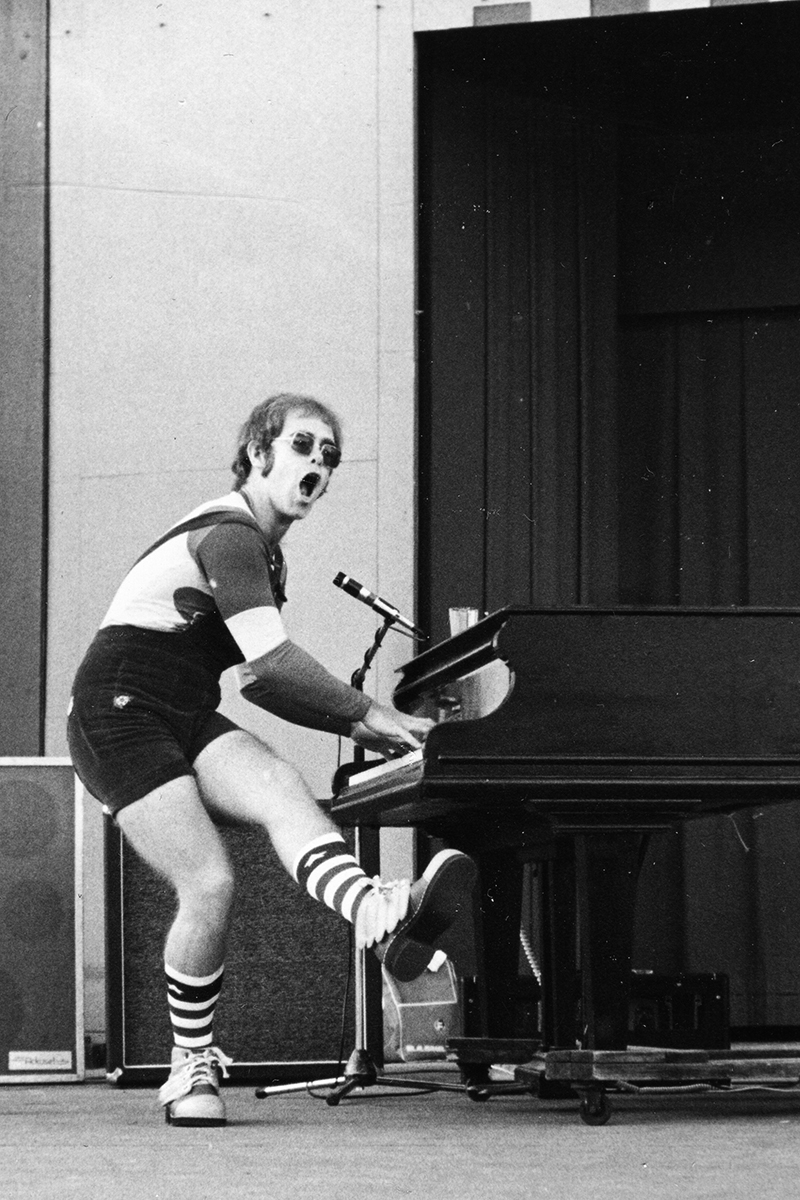 photo: yabosid · cc by-sa 2.0 ↗
Elton John
sourcesAmerican Songwriter — Elton John over the years ("more of a Little Richard stylist," 1973 Rolling Stone quote) · Keyboard Improv — 5 Big Stylistic Influences on Elton John (Little Richard stage performance, Russell's synthesis of styles) · Rolling Stone — The Rolling Stone Interview with Elton John (piano influences, Leon Russell devotion) · Far Out Magazine — Elton John and Ray Charles (1970 Andy Williams Show duet, 2004 Genius Loves Company)
Reginald Kenneth Dwight took piano lessons at seven and won a place at London's Royal Academy of Music at eleven, playing Chopin and Bach through his teens until Little Richard rearranged his ambitions. At fifteen he formed a soul covers band, naming it Bluesology after his growing obsession with American R&B; by 1967, backing package tours behind singer Long John Baldry, he combined Baldry's name with saxophonist Elton Dean's to invent the stage name Elton John. Paired that year with lyricist Bernie Taupin, he spent three unglamorous years as a session pianist before an August 1970 residency at Los Angeles's Troubadour club, watched from the front row by one of his own idols, turned him into a star within a week. What followed was less an invention than a synthesis: classical harmony and American piano showmanship, played by an Englishman who already believed he belonged on that stage.
the sound in question
1973
Goodbye Yellow Brick RoadElton John
walk the tributaries ↓
Little Richard1950s · Rock and roll / Rhythm and blues / Gospel
Elton names one influence above every other. "Without a doubt – musically, vocally and visually – he was my biggest influence," he said, recalling the teenage shock of watching Little Richard mount the piano lid in sequins and stage lights: "Goosebumps, electricity and joy." The debt outlasted the discovery. The two recorded together on Elton's own 1993 Duets album, a session Elton called among his most nerve-wracking, and decades after that first sighting he still dated his decision to become a rock and roll piano player to that single performance.
listen: upstream & heresource: Rolling Stone — Elton John Little Richard tribute ("biggest influence," 1993 Duets collaboration) ↗
1955
Tutti FruttiLittle Richard
1972
Rocket ManElton John
listen forElton drew the comparison himself: "I'm more of a Little Richard stylist than a Jerry Lee Lewis," he told Rolling Stone in 1973 — Jerry Lee "a very intricate piano player," Richard simply "more of a pounder." Play Tutti Frutti's opening bars against Rocket Man and listen for that pounding: Richard's right hand hammers the same triplet figure until it stops sounding like melody and starts sounding like rhythm, and Elton's verses ride an identical percussive attack, the piano working less like a keyboard than a second drum kit.
Leon Russell1970s · Rock and roll / Country rock / Gospel / Blues
Elton was already obsessed with Leon Russell's playing on record when they finally met: "I was completely obsessed with the way [Delaney and Bonnie's] keyboardist, Leon Russell, played," he said. "It was like he'd somehow climbed into my head and worked out exactly how I wanted to play piano before I did." On the second night of his August 1970 Troubadour debut, Elton looked out and saw Russell in the front row. Russell invited him home afterward and passed along a singer's trick, cider vinegar and honey, that Elton kept for the rest of his touring career. "I copied Leon Russell, and that was it," he admitted in 1971.
listen: upstream & heresource: Musicaficionado — A Year in Music, 1970 ↗
1970
Delta LadyLeon Russell
1972
Honky CatElton John
listen forRussell's piano style fused rock and roll, blues, gospel and country into what Elton called "one, perfectly natural style" — a synthesis he chased on his own early uptempo songs. Play Russell's horn-driven "Delta Lady" against Elton's "Honky Cat" and listen for the same loping, barrelhouse left hand under a vocal that talks as much as it sings, the piano constantly leaning into the beat rather than sitting square on it, a rollicking, gospel-tinted attack Elton spent 1970 absorbing whole.
Ray Charles1950s–60s · Soul / R&B / Gospel
Elton's memoir Me describes a solitary devotion: as a boy he "spent hours fantasising about being [Ray Charles], hiding in [his] bedroom with [his] record collection, miming away to his albums." The fantasy became reality in 1970, when Elton's first American television appearance, on The Andy Williams Show alongside Mama Cass, paired him in a duet with Charles himself; by his own account he was "very nervous playing with one of his idols and all-time favorite people." Decades later the two finally recorded together, trading verses on "Sorry Seems to Be the Hardest Word" for Charles's final album, Genius Loves Company, in 2004.
listen: upstream & heresource: Udiscover Music — Me ↗
1960
Georgia on My MindRay Charles
1970
Your SongElton John
listen forPlay Charles's "Georgia on My Mind" against Elton's "Your Song" and listen for the same trick: a melody that sounds conversational rather than sung, phrases landing just behind the beat as if the singer is thinking the words through in real time. Charles built that intimacy out of gospel testifying filtered through cocktail-lounge phrasing; Elton, barely into his twenties when he wrote "Your Song," borrows the same unhurried, half-spoken delivery to turn a plain love lyric into something closer to a confession.