walking upstream…
Nirvana


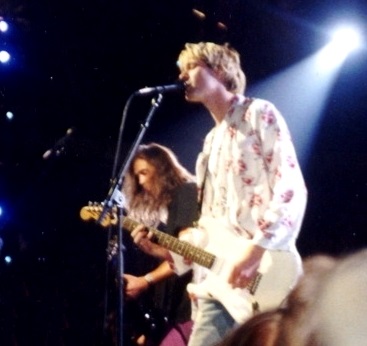
Formed in the logging town of Aberdeen, Washington, Nirvana fused the melodic instincts of British Invasion pop with the scarred, distorted heaviness of American underground rock, translating a decade of independent-label noise into a sound the whole world could hum along to. Kurt Cobain's songwriting collapsed pop hooks and punk fury into the same three minutes, turning outsider frustration into arena-sized catharsis. Nevermind didn't just make the band famous — it dragged grunge, and the entire alternative underground, into the mainstream almost overnight.
the sound in question
1991
Smells Like Teen SpiritNirvana
walk the tributaries ↓
Pixies1980s–90s · Alternative rock / Indie rock / Noise rock
Cobain said flat-out that "Smells Like Teen Spirit" was his attempt at writing a Pixies song — the murmured verse erupting into a wall of distortion was a trick he admitted lifting wholesale from this band's playbook.
listen: upstream & here
1988
Where Is My Mind?Pixies
1991
Smells Like Teen SpiritNirvana
listen forPut on Pixies' "Where Is My Mind?" next to Nirvana's "Smells Like Teen Spirit" — that same hushed, held-back verse cracking open into a huge, distorted release is the exact dynamic Cobain admitted he was chasing.
The Beatles1960s · Rock / Pop / Rock and roll
Cobain called John Lennon his idol and grew up on his aunts' Beatles records — underneath all the distortion, Nirvana's songs are built on the same tight, hook-first pop chord changes.
listen: upstream & here
1963
I Want to Hold Your HandThe Beatles
1989
About a GirlNirvana
listen forSet the Beatles' "I Want to Hold Your Hand" against Nirvana's "About a Girl" — strip away the decades and the fuzz, and you'll hear the same economical verse-chorus pop songwriting Cobain wrote after a three-hour Beatles binge.
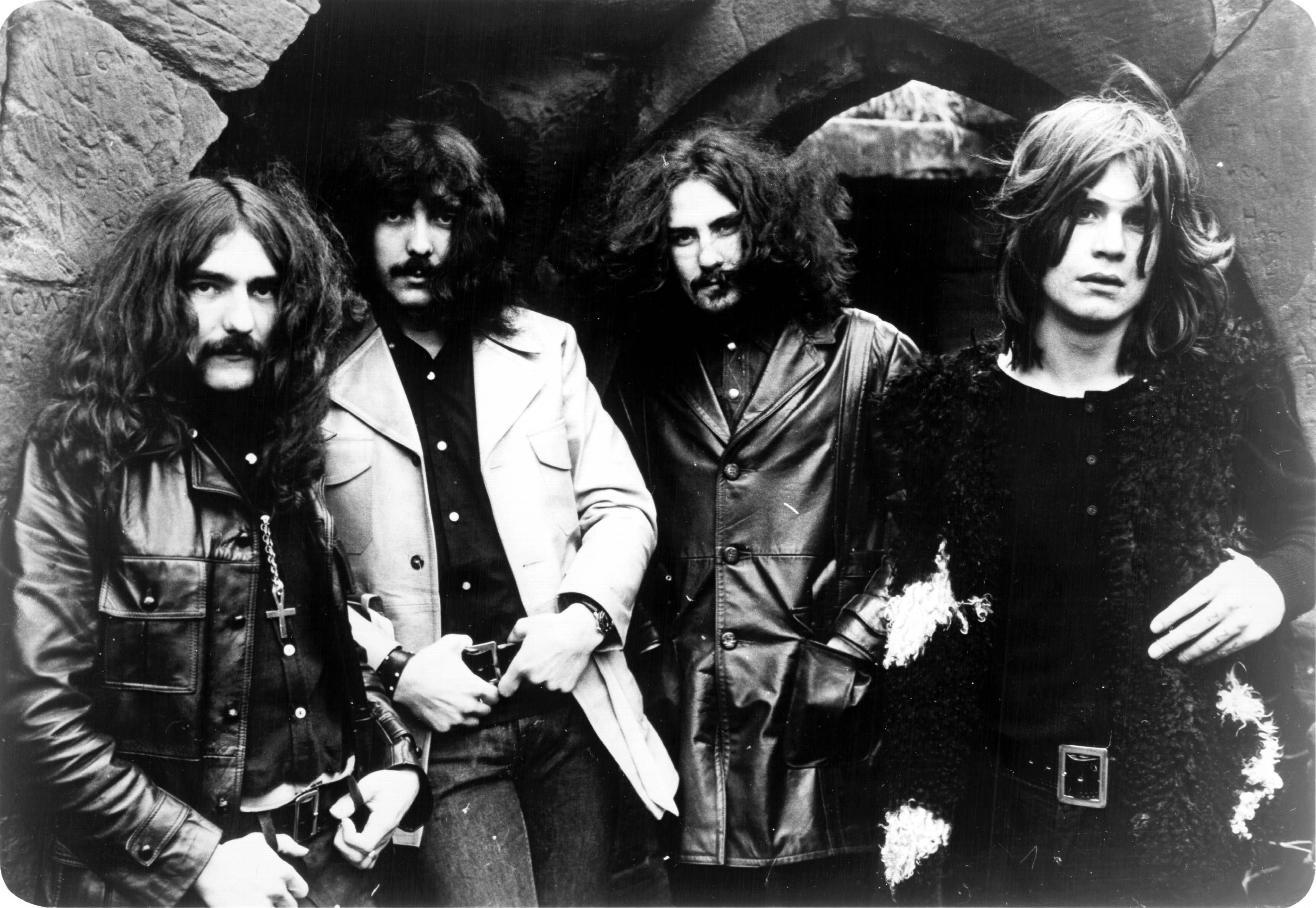
Black Sabbath1970s · Heavy metal / Hard rock
Bleach-era Nirvana leaned hard into Sabbath's slow, sludgy low end — Cobain grew up on '70s hard rock and metal, and it shows in the detuned, doom-adjacent riffs of the band's earliest songs.
listen: upstream & here
1970
Iron ManBlack Sabbath
1989
Negative CreepNirvana
listen forListen to Black Sabbath's "Iron Man" next to Nirvana's "Negative Creep" — both ride a lumbering, downtuned riff that drags rather than gallops, the same molasses-heavy low end Cobain grew up worshipping.