J Balvin



José Álvaro Osorio Balvín grew up in a once-comfortable Medellín household that lost everything when his father's business collapsed, and spent his teens split between Metallica and Nirvana records and a growing obsession with Daddy Yankee's reggaetón. After a stint in the U.S. learning English, he returned to Colombia's clubs and, through the 2010s, built a smoother, more melodic strain of reggaetón — a 'gentle drawl' set against dembow and house — that carried him and Medellín's urbano scene to global pop's front rank.
Balvin has said he was such a Daddy Yankee fan as a teenager that he copied his onstage moves, flows, and raps outright — the reggaetón equivalent, he's said, of studying Jay-Z. That clipped dembow pocket still anchors Balvin's club tracks even as his own delivery stays smoother and more sung than rapped.
listen forPut Daddy Yankee's 'Gasolina' next to Balvin's 'Ginza' — the same boom-ch-boom-chick dembow drive powers both, but where Yankee barks the hook, Balvin glides over it in his laid-back, melodic sing-song.
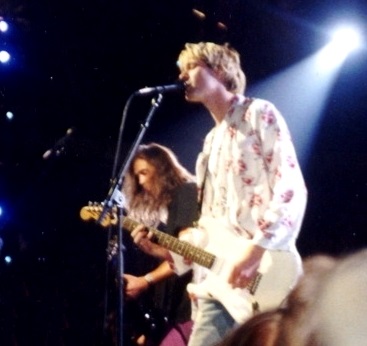
Balvin grew up on English-language rock radio, wears a Nirvana tattoo on his knee, and has said he folds grunge's scruffy, subversive aesthetic into his own image and fashion even while making dance-leaning reggaetón.
listen forThe murky guitar snarl of Nirvana's 'Smells Like Teen Spirit' resurfaces, filtered through Latin pop, on Balvin's 'Rojo,' which swaps his usual synth-and-dembow palette for a brooding electric-guitar riff.
Balvin has named Wu-Tang Clan among the hip-hop groups he listened to as a teenager, and the group's staccato, tag-team verse-trading surfaces in the rapid, rhythmic Spanish-language flows Balvin reaches for on his more rap-indebted tracks.
listen forCompare the tightly wound, one-after-another verses of Wu-Tang's 'Protect Ya Neck' to Balvin and Farruko trading fast, clipped bars on '6 AM' — different languages and eras, similar crew-cypher energy.