walking upstream…
James Arthur
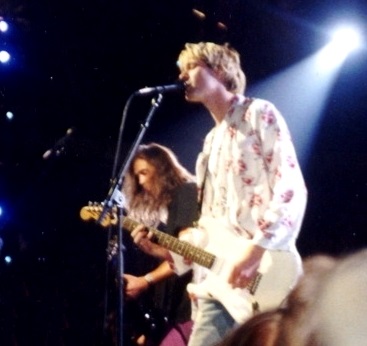
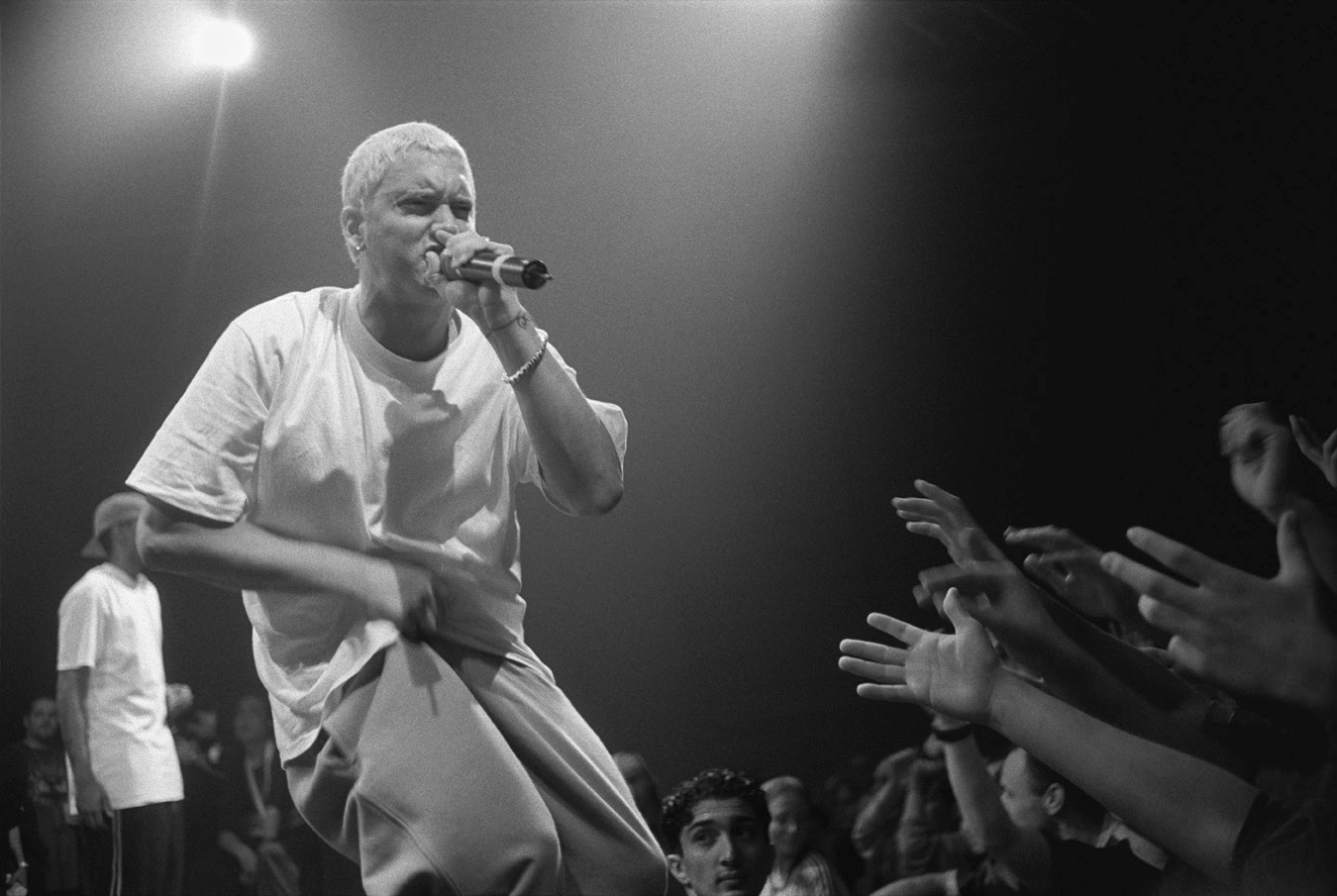

 photo: harald krichel · cc by-sa 3.0 ↗
James Arthur
James Arthur was seventeen when the lights went out in his flat in Middlesbrough, and his mother's bargain — audition for the ITV talent show The X Factor, and she'd lend him the money to switch them back on — put him in front of eleven million viewers in 2012, and he won. The victory nearly finished him: his label Syco dropped him after a lyric controversy, and he spent 2014 self-releasing a free rap mixtape before rebuilding around the confessional wedding ballad "Say You Won't Let Go," a 2016 UK number one that reset his career on his own terms. He has since made a career of narrating his own collapse and recovery in a hoarse, unguarded voice, an instrument shaped less by vocal coaching than by the outcasts and survivors he first learned to sing along to.
the sound in question
2016
Say You Won't Let GoJames Arthur
walk the tributaries ↓
Nirvana1990s · Grunge / Alternative rock
Arthur has told the story the same way for a decade: broke, self-taught, trying to learn "Smells Like Teen Spirit" note for note until it turned into songs of his own. "I got a guitar and I wanted to be in a band like Nirvana," he told the radio outlet iHeart in 2017. The pull went past the riff. Naming Cobain among the "outcasts" he looked up to, he pointed to Cobain's own stretch of homelessness and exile from his community — a mirror, he said, for his own adolescence as "a bit of a weirdo" who found an identity only once he started singing.
listen: upstream & heresource: The Big Issue — "It's too scary to even think about where I'd be if I didn't do music" (Nirvana/Eminem influence, origin story) ↗
1991
Smells Like Teen SpiritNirvana
2019
Train WreckJames Arthur
listen forNo grunge distortion carries over — Arthur builds ballads, not walls of guitar. But cue "Smells Like Teen Spirit" into "Train Wreck" and listen for the same shape Cobain patented: a hushed, guarded verse that cracks into a chorus sung past the edge of control, the voice fraying rather than smoothing out. It's the dynamic architecture of confession carried over, not the sound of it — the song Arthur has said he plays for crowds every night to make the case that being vulnerable takes courage.
Eminem2000s–10s · Hip-hop / Hardcore hip-hop
"When I started to write songs, I looked up to people that were outcasts, like Eminem and Nirvana," Arthur told the UK street paper The Big Issue in 2025. It wasn't just fandom: in 2014, dropped by his label and written off as a one-series X Factor winner, he self-released a free rap mixtape, "All the World's a Stage," entirely outside the industry that had discarded him. Three years later he was still defending the instinct, telling Atwood Magazine he loved hip-hop even though "the label and management are a bit intimidated by it" — rapping, he said, is "where you have to be your most honest, and most direct."
listen: upstream & heresource: The Big Issue — "It's too scary to even think about where I'd be if I didn't do music" (Nirvana/Eminem influence, origin story) ↗
2000
The Way I AmEminem
2014
Not GuiltyJames Arthur
listen forPlay "The Way I Am," where Eminem's syllables pile up so fast the anger reads as a technical problem to be solved, then put on "Not Guilty," Arthur's own attempt at that pressurized, clipped-consonant flow — the same instinct to attack a beat rather than glide over it, words stacked tighter than anything on his pop records. It's rougher and unfinished, self-released rather than studio-honed — but it's the outcast he named actually being worked out on the mic, not just quoted in an interview.
Usher2000s · R&B / Pop
"I've been listening to a lot of Usher, randomly," Arthur told Atwood Magazine in 2017. "I watched Usher do 'Georgia On My Mind,' and Usher is absolutely amazing. He's sort of the full package, in terms of an R&B singer." The performance sent him chasing his own version of that register: "Sober," he said in the same breath, is "the only real sexy track" on his album Back from the Edge — "the only track that you can maybe play while you're romancing your missus."
listen: upstream & heresource: Atwood Magazine — "Recovery, Redemption, and Purpose ↗
2016
Georgia On My MindUsher
2016
SoberJames Arthur
listen forCue Usher's "Georgia On My Mind" and then "Sober" back to back and listen for where Arthur reaches for Usher's register instead of his default rasp: a softer, more controlled falsetto, vocal runs left to unspool rather than cut short, and — true to what he said he admired — harmonies stacked underneath the lead instead of one voice carrying the whole hook. It's the closest thing on Back from the Edge to a straight R&B ballad, the one place he sets the rock grain aside.