Michael Jackson
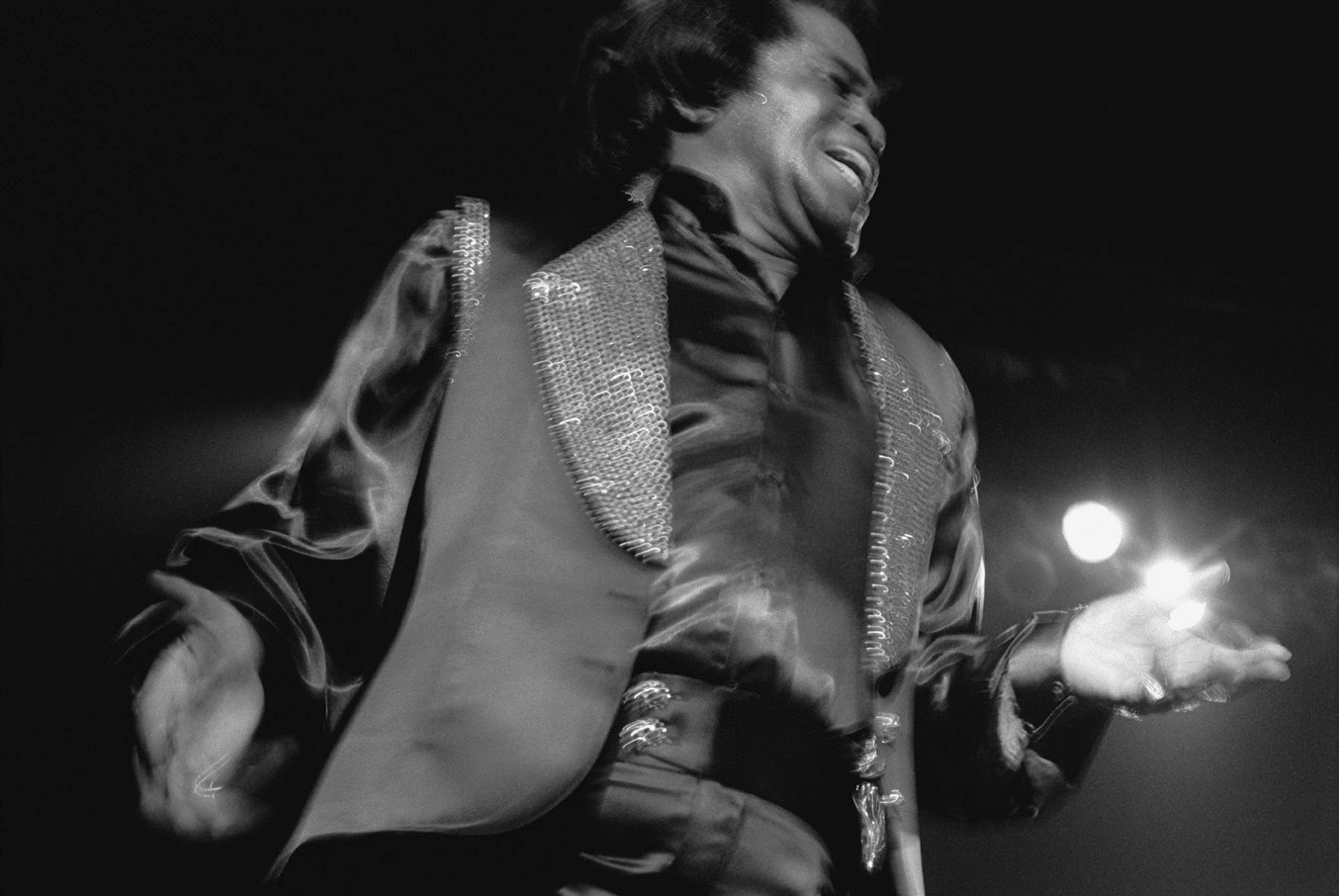


Michael Jackson was five years old when he became the lead voice of the Jackson 5, and he spent the next four decades rewriting what a pop career could look like: turning the music video into a short film, the dance break into a syllabus generations of performers would study, and Thriller into the best-selling album ever made. He built that persona in public, absorbing James Brown's physical urgency and Jackie Wilson's acrobatic showmanship first as a child parked in front of a television, later as a headliner who thanked them both from the stage. By the time he died in 2009, "King of Pop" read less like a nickname than an accurate job description.
At James Brown's funeral in 2006, Jackson stood before the mourners and testified: "James Brown was my greatest inspiration. Ever since I was a small child, no more than like six years old, my mother would wake me... to watch the television to see the master at work." That televised education began with the knee-drops and screamed vocal breaks of Brown's earliest sides, a physical vocabulary Jackson spent his career translating into ever more exacting choreography.
listen forBrown's 1956 debut "Please, Please, Please" is less a song than a demonstration of stage combustion: knee drops, spins, a voice that pleads and screams in the same breath, somehow both begging and commanding. That same physical urgency resurfaces on Jackson's "Smooth Criminal," sharpened into exacting choreography — every lean and turn still tracing back to Brown's blueprint of dance as exclamation point.
Weeks after Jackie Wilson died in January 1984, Jackson dedicated his Album of the Year Grammy for Thriller to him: "Some people are entertainers and some people are great entertainers... I'd like to say Jackie Wilson was a wonderful entertainer. He's not with us anymore, but Jackie, where you are I'd like to say, I love you and thank you so much." Wilson's operatic leaps and sudden falsetto breaks were the acrobatics a young Jackson had been chasing since his earliest performances with the Jackson 5.
listen forWilson's "Lonely Teardrops" turns heartbreak into an athletic event — leaps and knee-drops punctuating every vocal break, the body finishing sentences the voice can't quite land. That same conversion of feeling into physical release resurfaces in Jackson's "Don't Stop 'Til You Get Enough," where the falsetto whoops and the dancing are inseparable, just as they were for Wilson a generation earlier.