walking upstream…
Diana Ross

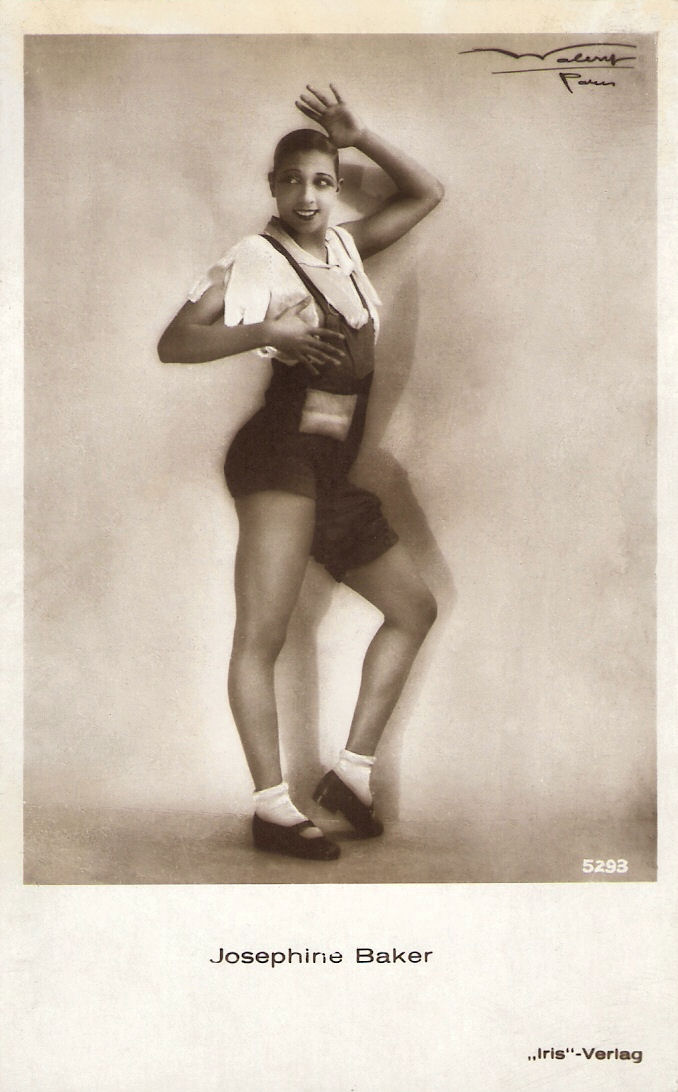
 photo: motown records · public domain ↗
Diana Ross
sourcesHollywood Reporter — oral history of Lady Sings the Blues (Ross's 1969 Look quote, Suzanne de Passe/Berry Gordy's Walkman anecdote) · Glam — Diana Ross' most dazzling looks in the '70s (1976 Baker costume tribute) · UPI Archives, 1990 — Diana Ross to star in TNT cable movie on Josephine Baker · Wikipedia — The Supremes (formation, Berry Gordy/Holland-Dozier-Holland turning point) · uDiscover Music — Diana Ross
Diana Ross grew up in Detroit's Brewster-Douglass housing project, singing in a Baptist choir before Mary Wilson and Florence Ballard folded her into the Primettes, a teenage answer act to a local group called the Primes. Motown signed them as the Supremes in 1961, and in 1963 Berry Gordy made the contentious call to put Ross out front — pairing the trio with the songwriting team Holland-Dozier-Holland for a run of number-one singles that broke racial barriers on pop radio. Ross went solo in 1970 with the chart-topping "Ain't No Mountain High Enough," then spent 1972 immersed in Billie Holiday's catalog for an Oscar-nominated turn in Lady Sings the Blues, and reinvented herself again for disco with 1980's "I'm Coming Out." Across three decades she remade herself as often as the music required, while the glamour and the control stayed hers alone.
the sound in question
1970
Ain't No Mountain High EnoughDiana Ross
walk the tributaries ↓
Billie Holiday1930s–40s · Jazz / Vocal jazz
Three years before she played her, Ross was already circling Holiday. Talking to Look magazine in 1969 about her budding solo career, she said she was "trying to find out everything about her ... I want to sing about blues and sadness, a natural part of life." By the time Motown cast her in 1972's Lady Sings the Blues, that curiosity had become total immersion — she carried a portable player through the whole shoot, running Holiday's records on a loop until the phrasing stopped being research and started being reflex.
listen: upstream & here
1946
Good Morning HeartacheBillie Holiday
1972
Good Morning HeartacheDiana Ross
listen forHoliday's 1946 "Good Morning Heartache" lands every phrase a half-step behind the beat, like she's talking herself into getting up. Ross's 1972 version, cut for the Lady Sings the Blues soundtrack, holds that same delay — listen to how she lets "heartache" hang before dropping it, rather than hitting it clean. It got so exact that, per the film's executive assistant Suzanne de Passe, Berry Gordy pulled her aside: "You sound too much like Billie, you need to put more of you into it." The imitation had briefly swallowed the imitator.
Josephine Baker1920s–30s · Jazz / Cabaret / Chanson
For years, Ross pushed to bring Josephine Baker to the screen. "I just think her life story needs to be done," she told Andy Warhol's Interview magazine in 1981, and by 1990 UPI could report she'd finally landed a deal to star in and executive-produce a TNT biopic — a production that stalled and never aired. Ross had already paid her own tribute: for a 1976 concert residency, she dressed as Baker in a banana-skirt costume by the designer Bob Mackie, one of several Black women performers she saluted that night.
listen: upstream & heresource: Cheatsheet — Diana Ross pushed for a Josephine Baker biopic for three years (Ross's own quotes on Baker) ↗
1930
J'ai deux amoursJosephine Baker
1980
I'm Coming OutDiana Ross
listen forBaker's 1930 signature "J'ai deux amours" is pure music-hall command — a purring, unhurried delivery that lands each line like a declaration rather than something merely sung. Ross chases that same deliberate self-possession on 1980's "I'm Coming Out," announcing herself over a groove built by the disco group Chic rather than riding it. Ross once called Baker "an extraordinary woman" who, though "basically a showgirl," had "made her own lifestyle" — the same self-invention audible in how Ross claims the title line as fact, not confession.