walking upstream…
The Avett Brothers
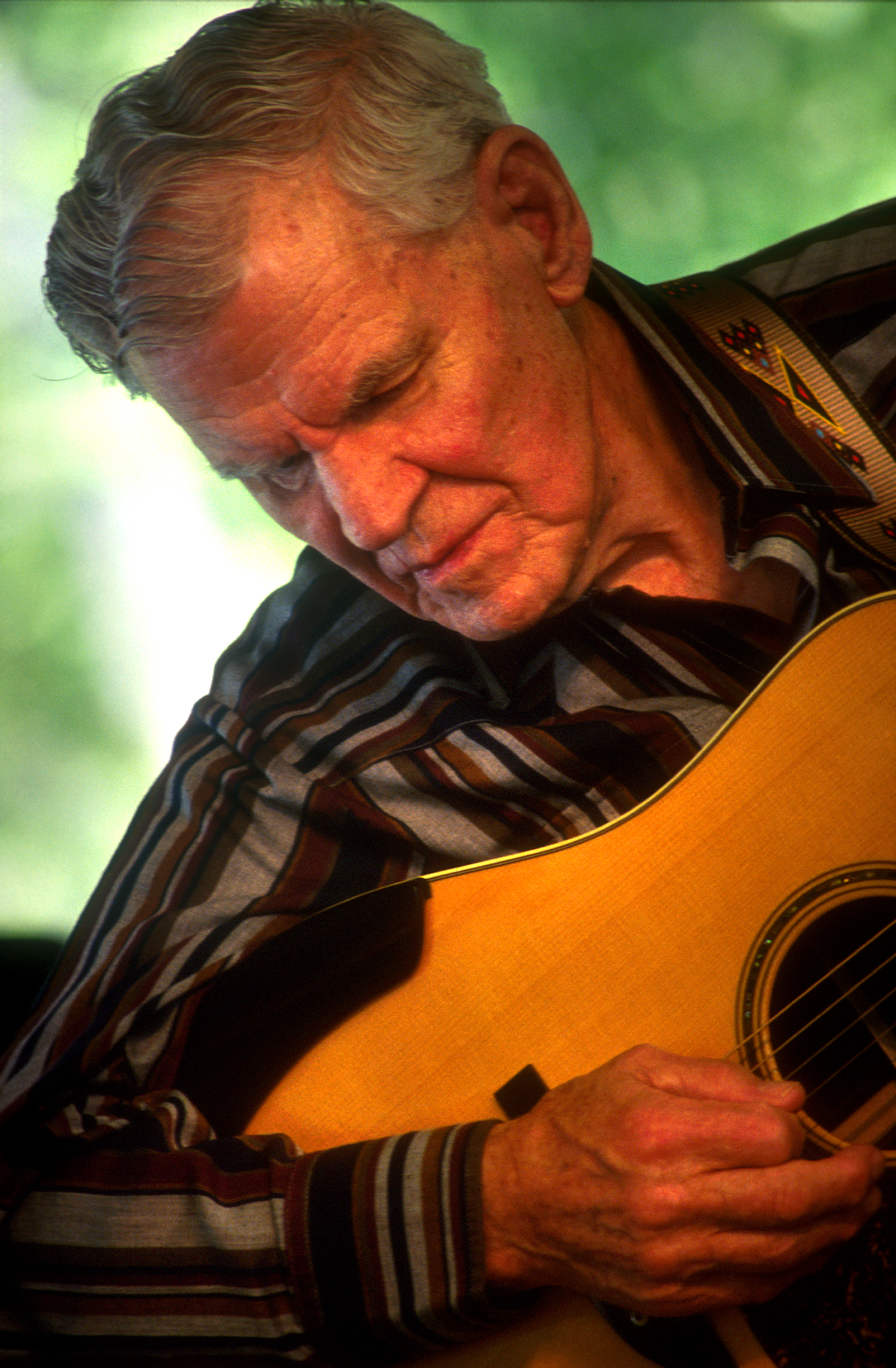
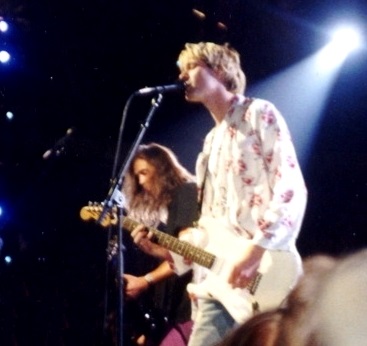
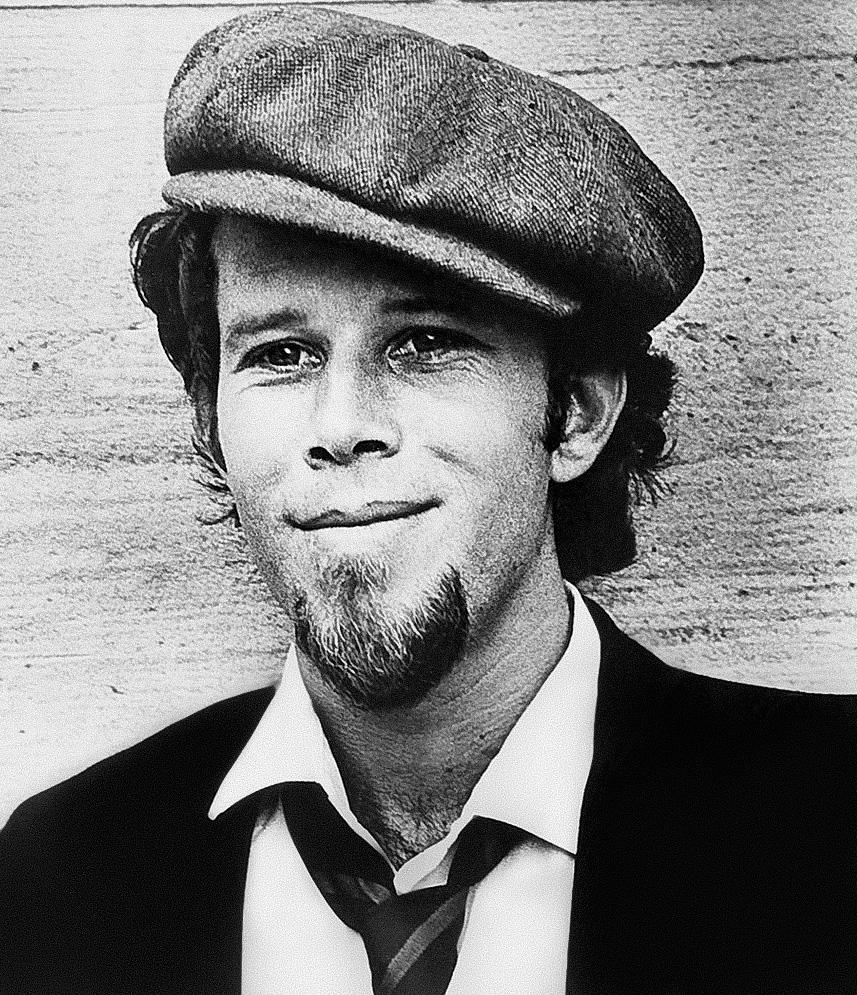
 photo: trevor bolliger · cc by-sa 3.0 ↗
The Avett Brothers
sourcesWikipedia
Brothers Scott and Seth Avett grew up in Concord, North Carolina, soaking up gospel harmony at church and bluegrass from their father's guitar while also idolizing Nirvana and grunge in their own teenage rock bands. Around 2000, Scott's college outfit Nemo and Seth's band Margo folded together into a stripped-down acoustic project, joined soon after by upright bassist Bob Crawford (and later cellist Joe Kwon). The result fused ragged three-part harmony and stomping clawhammer banjo with a rock show's dynamics — hushed verses detonating into shouted, cathartic choruses. 'Emotionalism' (2007) and 'I and Love and You' (2009) carried the band from Southeastern bar circuit to national stage, and a run of Rick Rubin-produced records through the 2010s made them one of Americana's most theatrically emotional live acts, still touring and recording today.
the sound in question
2009
I and Love and YouThe Avett Brothers
walk the tributaries ↓
Doc Watson1960s · Folk / Bluegrass / Old-time music
Scott Avett has said his own relationship to festivals and old-time music began with 'an awakening of Doc Watson' in his late teens, which sent him digging into the string-band and bluegrass scenes at MerleFest and Galax; Seth Avett has separately recalled meeting Watson and taking from him the lesson that a performance's power comes from character, not spectacle. That plainspoken, unhurried authority — a guitar or banjo that serves the story instead of showing off — runs through the Avetts' quietest, most narrative material.
listen: upstream & heresource: The Bluegrass Situation ↗
1964
Deep River BluesDoc Watson
2008
Murder in the CityThe Avett Brothers
listen forSet Watson's 'Deep River Blues' against 'Murder in the City' — both strip down to just voice and steel strings, trusting a plain melodic line and a few well-chosen words to carry all the weight, with nothing added to dress up the confession.
Nirvana1990s · Grunge / Alternative rock
Before they picked up a banjo, Scott and Seth Avett wore flannel and combat boots and idolized Nirvana, playing in a heavy rock band around bonfires with friends; that grunge apprenticeship never fully left the music, resurfacing as sudden bursts of loud, physical intensity inside otherwise acoustic arrangements. It shows up less as guitar tone than as structure: a quiet, almost timid verse that snaps without warning into something shouted and distorted.
listen: upstream & here
1991
Smells Like Teen SpiritNirvana
2007
Talk on IndolenceThe Avett Brothers
listen forCompare 'Smells Like Teen Spirit' with 'Talk on Indolence' — both hold back in the verses only to detonate into a chorus that's suddenly all volume and thrash, the same quiet-loud trapdoor just built from banjo and stand-up bass instead of a Marshall stack.
Tom Waits1980s–2000s · experimental rock / blues / jazz / singer-songwriter
Bassist Bob Crawford has named Tom Waits, alongside Bob Dylan and Woody Guthrie, among the songwriters who connect him to Scott and Seth, and the band has performed Waits songs 'Fish & Bird' and 'Take It With Me' live often enough to make the debt explicit. What carries over isn't Waits' rasp but his habit of building a song as a small, specific character study — a person, a place, a plain plea — building toward a refrain that repeats a single idea until it aches.
listen: upstream & heresource: Homegrown Music Network ↗
1985
TimeTom Waits
2007
The Ballad of Love and HateThe Avett Brothers
listen forLine up 'Time' with 'The Ballad of Love and Hate' — both narrate through sketched-in characters rather than a first-person confession, circling back to a repeated refrain that does the emotional work a chorus hook usually would.