walking upstream…
Leon Russell


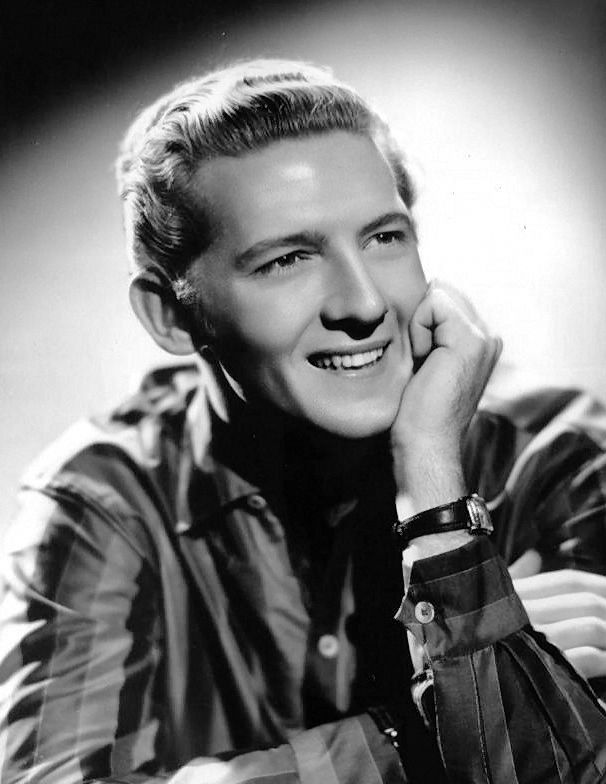
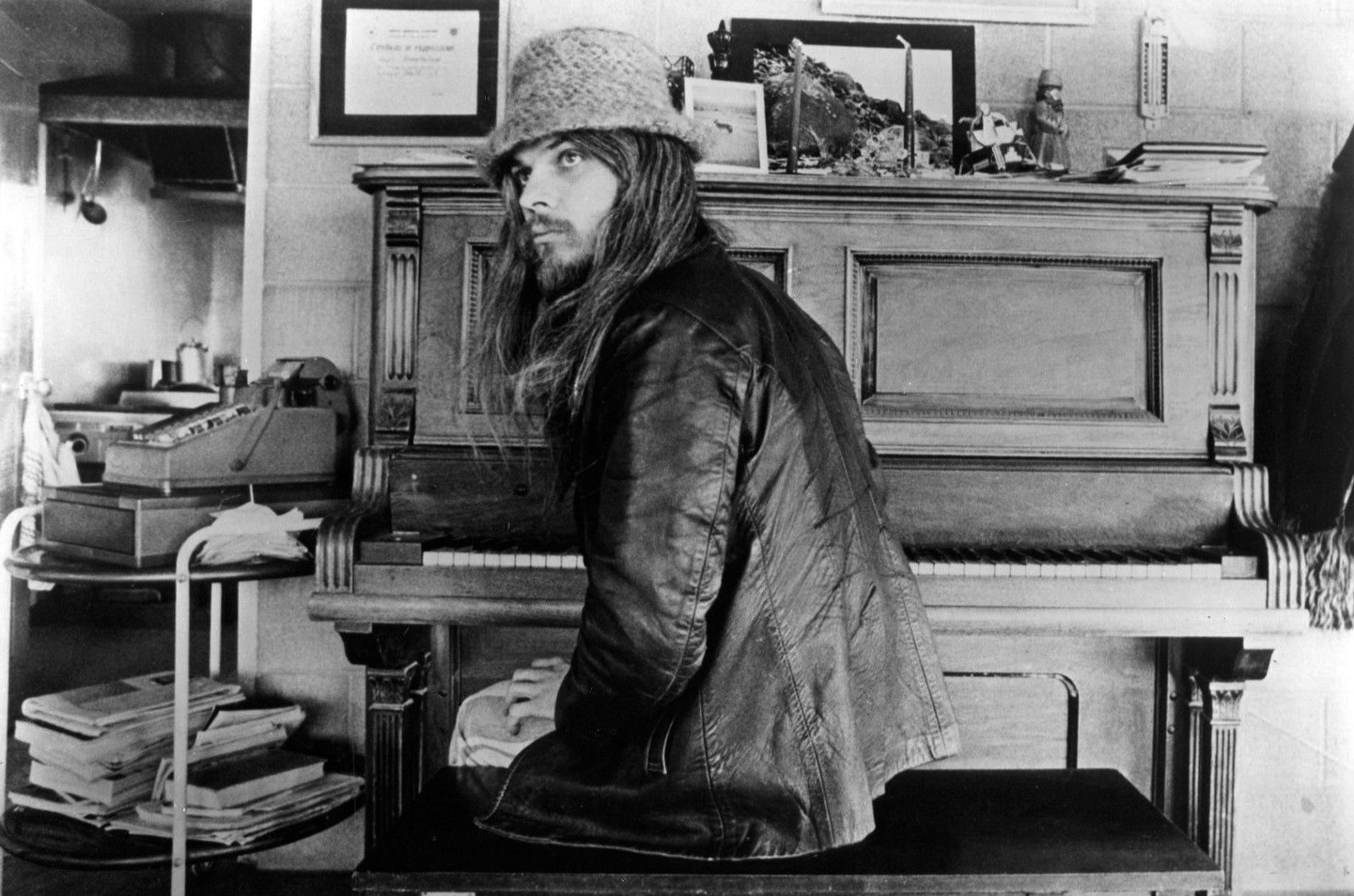
Rolling Stone once reduced Leon Russell to a single image: the piano man forever counting off "one, two, three, four" at the tail of his own choruses, pushing the ending past where the song wants to stop. Born Claude Russell Bridges in Lawton, Oklahoma, he studied classical piano for a decade before deciding he was "never going to have the hands to play that stuff," and built a rougher style instead. By his late teens he'd walked out of college entrance exams for a seat in a touring rock and roll band, then became a first-call Los Angeles session pianist, the bandleader of Joe Cocker's Mad Dogs & Englishmen tour, and the writer of "A Song for You" and "Delta Lady." Four decades later, his old fan Elton John pulled him back into a studio. The gospel testify, the blues attack, the showman's nerve never left.
the sound in question
1972
Tight RopeLeon Russell
walk the tributaries ↓
Ray Charles1950s–60s · Soul / R&B / Gospel
Russell has told the story of writing his best-known song more than once, and it never changes: "I was trying to write a blues song that Frank Sinatra and Ray Charles both could sing," he told Atlantic City Weekly of composing "A Song for You" in ten minutes in his Hollywood studio. A decade earlier he'd told Rolling Stone that a friend once heard him play and said he sounded exactly like Charles, "and at that time I'd never heard Ray Charles so I made a point of going out and listening to his records" — calling him, simply, "a great influence."
listen: upstream & heresource: Rolling Stone — The Rolling Stone Interview, p.10 (Ray Charles and Elvis Presley as formative influences) ↗
1960
Georgia on My MindRay Charles
1970
A Song for YouLeon Russell
listen forPlay "Georgia on My Mind" and notice how Charles sits behind the beat, stretching syllables until the piano nearly catches up — a reviewer once wrote that Russell's own singing does the same thing, that his style, "like Dylan's, is to suggest a melody rather than sing it." "A Song for You" runs on that same unhurried lean: a spare piano ballad written, by Russell's own account, to fit a voice exactly like Charles's.
Elvis Presley1950s–70s · Rock and roll / Rockabilly / Pop / Gospel
The clearest debt is a chart fact: in 1979, Russell and Willie Nelson took "Heartbreak Hotel" to Number One on the country charts, more than two decades after Presley made it a sensation. It wasn't a novelty pick. "I suppose I listened to his early records and Elvis Presley's more than anybody else's," Russell told Rolling Stone in 1970, naming Presley beside Charles as the two artists he absorbed most as a teenager learning piano off the radio in Tulsa.
listen: upstream & heresource: Rolling Stone — The Rolling Stone Interview, p.10 (Ray Charles and Elvis Presley as formative influences) ↗
1956
Heartbreak HotelElvis Presley
1979
Heartbreak HotelLeon Russell
listen forPresley's 1956 original rides an echo-chamber reverb and a lonesome, keening vocal built for a jukebox. The Nelson/Russell version, cut on 1979's One for the Road, strips that away for a dry honky-tonk band — pedal steel and Russell's own piano and voice replacing the slap-back atmosphere with a plainer, barroom read of the same lyric, moved from rock and roll's birth certificate into a country songbook.
Jerry Lee Lewis1950s · Rock and roll / Rockabilly / Country
At seventeen, Russell walked out of three grueling days of Tulsa University entrance exams for a touring rock and roll job. "We did all of his songs in his keys, so when we sat down to do a show we just ripped 'em off," he told Rolling Stone of the audition that landed his teenage band the gig. "So he said, 'Well, shit. You guys have got to come on the road with me.'" Rita Coolidge, watching him strut into a later Mad Dogs rehearsal in a top hat and a HOLY TRINITY jersey, put it plainly: "He has that Jerry Lee Lewis in him."
listen: upstream & heresource: Rolling Stone — The Rolling Stone Interview, p.12 (Jerry Lee Lewis recruitment account) ↗
1957
Whole Lotta Shakin' Goin' OnJerry Lee Lewis
1970
Roll Away the StoneLeon Russell
listen forNo specific Jerry Lee Lewis song passed hands into Russell's catalog — this is inherited stagecraft, not a documented cover. Cue "Whole Lotta Shakin' Goin' On" and hear why Lewis got banned from polite radio: piano, not guitar, drives the band, hammered in tumbling right-hand runs built to detonate a room. "Roll Away the Stone" answers with the same math — barrelhouse chords under a shouted vocal, the pianist planted at the visual center of the arrangement rather than tucked behind a singer.