walking upstream…
Bruce Hornsby
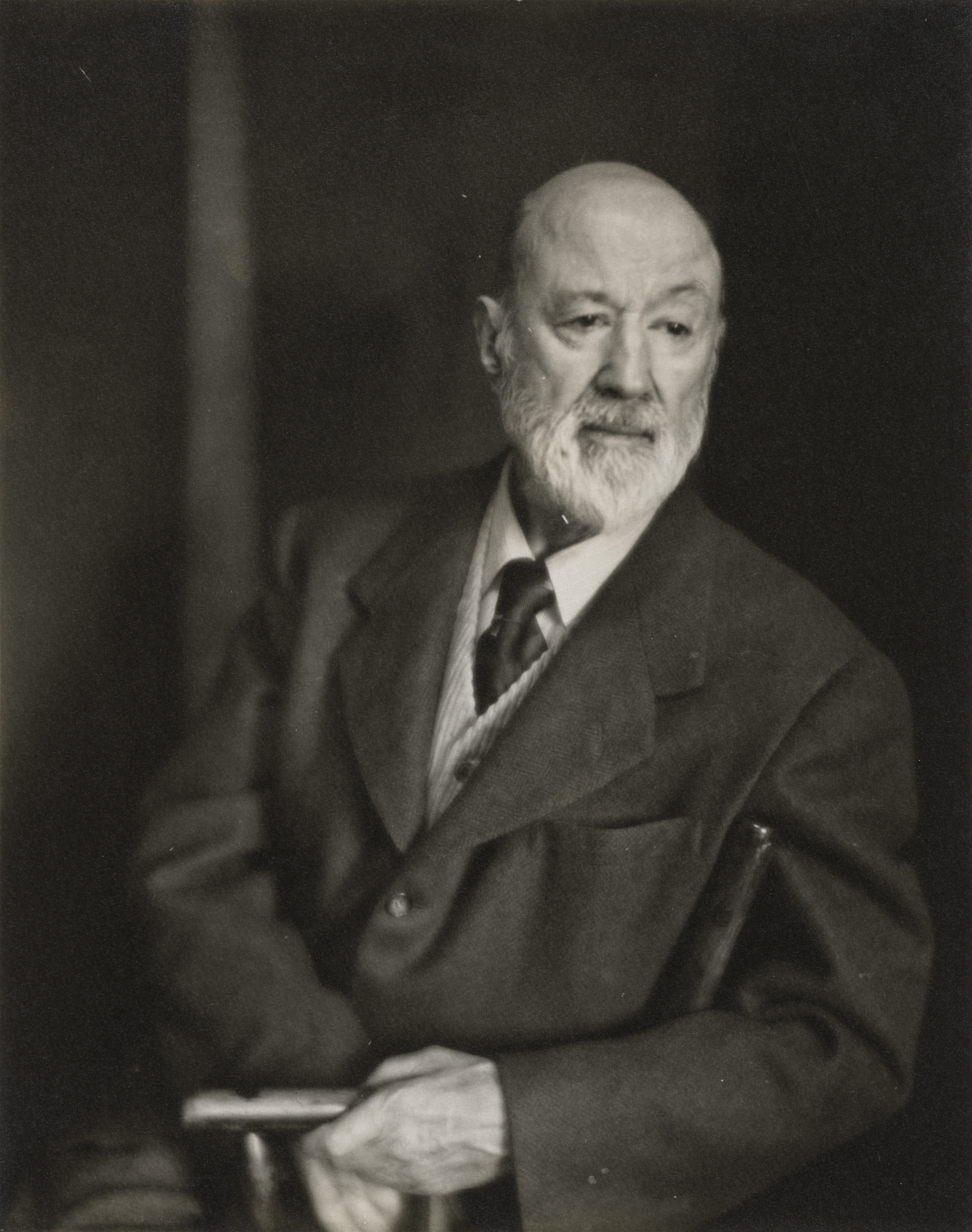
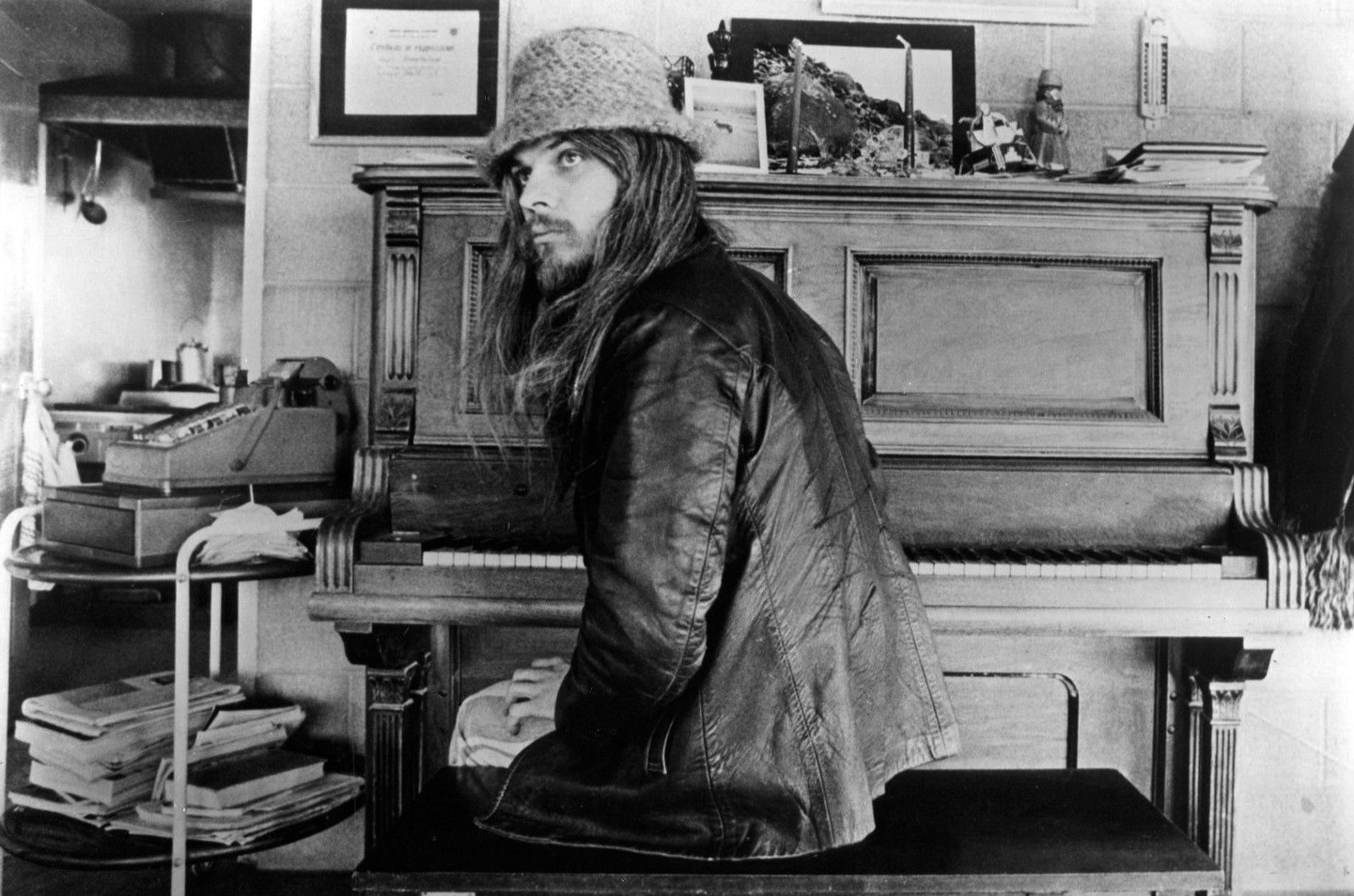

 photo: greg2600 · cc by-sa 2.0 ↗
Bruce Hornsby
In 1987 the Grammys named Bruce Hornsby Best New Artist for "The Way It Is," the piano hook behind a double-platinum debut and a defining sound of mid-1980s pop radio. Born in Williamsburg, Virginia, in 1954, Hornsby built that sound out of a jazz degree and a library card: at Berklee College of Music he borrowed twentieth-century scores the way other students borrowed novels, tracing what he calls a precise "progression of influences" from arena piano to hard-bop jazz to modernist dissonance. From 1990 to 1995 he toured as an unofficial member of the Grateful Dead — a partnership so mutually formative fans still argue who changed whom — but he insists the sophistication came first: "I got my degree in jazz music so the jazz influence has not much to do with the Dead." The deepest debt, it turns out, runs to an American modernist composer, not rock royalty.
the sound in question
1986
The Way It IsBruce Hornsby
walk the tributaries ↓
Charles Ives1910s–20s · Contemporary classical / Modernist / Americana
At Berklee, Hornsby spent his free hours in the Boston Public Library's classical stacks, checking out records the way other students checked out novels. Charles Ives — the Danbury, Connecticut insurance man turned modernist composer — became an obsession that outlasted the semester, so much so that his first-ever single, "Every Little Kiss," drew a threatened lawsuit over its piano intro. "In fact, they threatened to sue me," he told the jam-band outlet Jambands.com in 2011. "My response was, yes, you're absolutely right, and you can read 1,001 interviews with me giving credit to Charles Ives regarding this. And they said... forget it."
listen: upstream & heresource: NPR — "Bruce Hornsby's Modern Classical Moment," 2014 (backs the Charles Ives/Every Little Kiss paraphrase) ↗
1920
Piano Sonata No. 2 "Concord, Mass., 1840–60": III. The AlcottsCharles Ives
1986
Every Little KissBruce Hornsby
listen forIves's "The Alcotts," the third movement of his Concord Sonata, climbs a plain, hymn-like tune through thick chords stacked in fourths and fifths that never resolve where a churchgoing ear expects. Cue the opening bars of "Every Little Kiss" against it: the same rising shape, the same chords sliding past their expected landing. As Hornsby told NPR, he was "basically paraphrasing" the movement. Listen for the gesture pop-sized — four bars where Ives takes forty, the harmonic wandering folded into a verse instead of left hanging in open air.
Leon Russell1970s · Rock and roll / Country rock / Gospel / Blues
In the late 1980s, Rolling Stone invited Hornsby into a photo essay pairing musicians with their mentors. He asked for Elton John, who'd already been claimed, "so I went to Leon," he told the magazine in 2020 — "those are the two guys who got me interested in piano." The debt started at seventeen, when his older brother played him the British rocker Joe Cocker's Mad Dogs & Englishmen, the tour Leon Russell arranged, wrote for, and ran from the keyboard. Hornsby has kept naming Russell as a direct model for his own playing ever since, decades after the teenage discovery.
listen: upstream & heresource: Rolling Stone — "Bruce Hornsby on the Hip-Hop Afterlife of 'The Way It Is' and His Posthumous Leon Russell Duet" by David Browne, 2020 (backs the Leon Russell mentor-photo-essay anecdote) ↗
1970
Roll Away the StoneLeon Russell
1993
Rainbow's CadillacBruce Hornsby
listen forRussell's 1970 "Roll Away the Stone" rides a lurching, gospel-choir piano vamp, triplets rolling against the beat under a barrelhouse right hand that refuses to sit still. Hornsby names that exact feel as the source of his own 1993 "Rainbow's Cadillac": "You can still feel Leon's music reflected in my songs like Rainbow's Cadillac, which we play in Leon's style." Listen for the same off-the-beat rolling triplets and gospel-chord fills under Hornsby's vocal — Russell's Tulsa-born swagger, resized for Hornsby's more polished Virginia pop.
Keith Jarrett1970s · Jazz / Classical / Jazz fusion / Free improvisation
Hornsby found Keith Jarrett in print before he ever owned the record — a Rolling Stone review of the solo album Facing You sent him hunting for an import copy he finally found in a Boston shop while touring colleges. "It opened me up to a whole new box of harmonic knowledge and melodicism," he said in 2022, calling it the bridge from Elton John and Leon Russell into real jazz. The debt resurfaced decades later: after a 2005 Jarrett trio show at Carnegie Hall, drummer Jack DeJohnette cornered Hornsby backstage and asked when they'd finally record together. Two years on, they cut the album Camp Meeting.
listen: upstream & heresource: MusicRadar — "Bruce Hornsby - the 10 albums that changed my life" by Danny Scott, 2022 (backs the Leon Russell/Rainbow's Cadillac and Keith Jarrett/Facing You claims) ↗
1975
Death and the FlowerKeith Jarrett
2007
Death and the FlowerBruce Hornsby
listen forJarrett's 1975 "Death and the Flower" floats a simple, folk-like theme over spacious chords that never land where gravity suggests. On Camp Meeting (2007), Hornsby, bassist Christian McBride, and drummer Jack DeJohnette rework the same tune with thicker harmony underneath. McBride, describing the session, said of Hornsby: "he's got the Keith thing going in his playing" but "puts his own harmonic thing on it." Listen for how Hornsby fills Jarrett's spare, floating chords with denser, churchier voicing — Jarrett's melodic drift, run through Hornsby's gospel-piano hands.