walking upstream…
Judas Priest
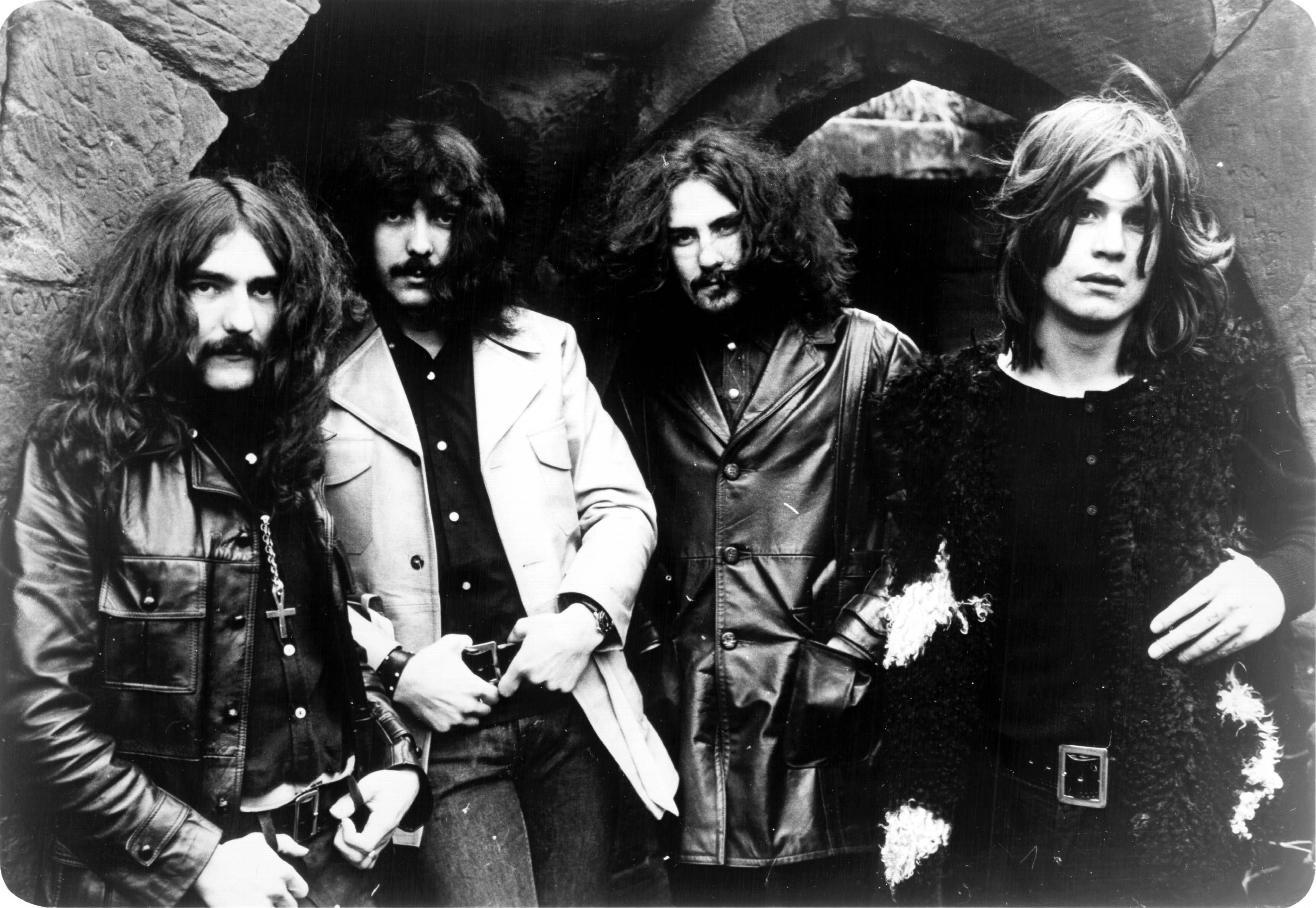
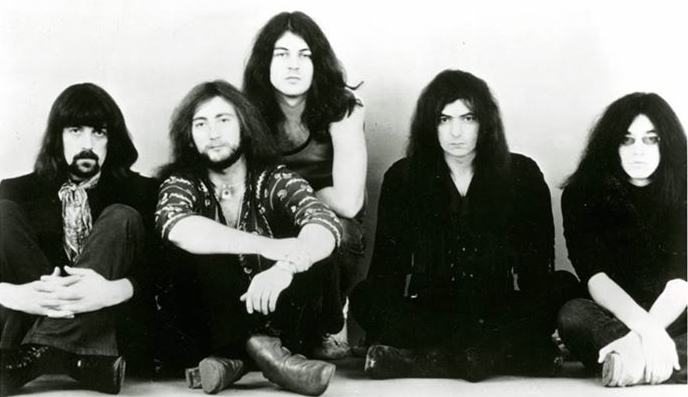

 photo: watt dabney · cc by-sa 2.0 ↗
Judas Priest
sourcesBandcamp Daily — Judas Priest's Sad Wings of Destiny Turns 50 (Birmingham/Sabbath origin, twin-guitar Wishbone Ash/Thin Lizzy influence, Halford's vocal reputation, Iron Maiden/NWOBHM legacy — verified against the live page; see research.md fabrication flag for one invented passage in this source not used here) · Louder Sound — Tony Iommi and Rob Halford interview (first heavy metal riff, Sabbath's US breakthrough as inspiration) · Guitar World — Roger Glover on producing Judas Priest's Sin After Sin · Wikipedia — Judas Priest (lead only, background)
In the early 1970s, Judas Priest's guitarist K.K. Downing and bassist Ian Hill were in their late teens in Birmingham when Black Sabbath released its debut LP; like every long-haired kid who heard it they were transformed, and being from the same city gave them a front-row seat as Sabbath broke — Priest even inherited one of Sabbath's vacated rehearsal rooms. Their 1974 debut, Rocka Rolla, wandered into inconsistent art-rock. 1976's Sad Wings of Destiny corrected course: rather than copy Sabbath, Purple, and Zeppelin's single-guitarist heavy rock, Priest built its sound on the twin-guitar interplay of Wishbone Ash and Thin Lizzy, with Rob Halford's clarion-clean, vertiginous falsetto turning it theatrical. Iron Maiden, among the new wave of British heavy metal bands that followed, then carried that harmonized attack and stagecraft into the mainstream. Priest didn't invent heavy metal. They gave it its grammar.
the sound in question
1982
You've Got Another Thing Comin'Judas Priest
walk the tributaries ↓
Black Sabbath1970s · Heavy metal / Hard rock
Rob Halford has never hedged on the debt: "We should all be proud that British musicians are responsible for this force in music called heavy metal," he told MusicRadar. "Black Sabbath and Judas Priest invented true heavy metal music." He's been just as direct about the mechanics of it, telling Louder Sound that "Tony was the guy that played the first heavy metal riff. And it all started from there" — and that watching Sabbath's American breakthrough was the spark: "Maybe we might get lucky and go over there too."
listen: upstream & heresource: MusicRadar — Rob Halford on Black Sabbath and Judas Priest inventing heavy metal ↗
1971
Iron ManBlack Sabbath
1976
Victim of ChangesJudas Priest
listen forPlay Black Sabbath's 1971 "Iron Man" against Judas Priest's "Victim of Changes" from Sad Wings of Destiny and the family resemblance is in the weight: a slow, grinding riff that never resolves, built to feel like a threat rather than a hook. Priest speeds the tempo and layers in a second guitar, but the foundation — one heavy figure repeated until it becomes the song's whole architecture — is Sabbath's invention, with Halford's operatic wail doing what Ozzy's flatter delivery never attempted.
Deep Purple1970s · Hard rock / Heavy metal / Progressive rock
The connection wasn't just admiration — it was staffing. Deep Purple's bassist Roger Glover produced Judas Priest's major-label debut, Sin After Sin, in January 1977, a "salvage job," he told Guitar World: the label wanted an outside name, the band balked, then guitarist Glenn Tipton invited him back in once their own sessions stalled and their drummer got sacked. Priest had already been listening — Deep Purple's Ritchie Blackmore and keyboardist Jon Lord built their reputation on the kind of virtuoso, semi-classical playing that gave Priest's own arrangements room to get more ambitious than Sabbath's sludge allowed.
listen: upstream & heresource: Loudwire — Deep Purple vs. Judas Priest (Blackmore/Jon Lord musicianship, twin-guitar attack; see research.md fabrication flag for one invented passage in this source not used here) ↗
1970
Child in TimeDeep Purple
1976
Beyond the Realms of DeathJudas Priest
listen forDeep Purple's "Child in Time" spends nearly ten minutes moving from a hushed, ominous verse into a scream and Jon Lord's swirling organ before dropping back down — a dynamic arc built for drama, not just volume. Judas Priest's "Beyond the Realms of Death" borrows that same shape: a fragile acoustic opening that Halford sings almost tenderly before the band detonates into a full-band crescendo and his voice climbs into falsetto. Both bands are working in scenes, not verses and choruses.
Led Zeppelin1970s · Hard rock / Blues rock
Halford ranks Led Zeppelin's self-titled 1969 debut as his second-favorite album of all time, just behind Black Sabbath's. Talking through the pick, he singled out what the record was still carrying: "it's got a lot of the transitional experience in heavy, hard rock that includes a lot of blues vibes," he said. "They've freely admitted that the blues is where the basic journey for this band started out." Priest's own arrangements kept that dynamic sense of light and shade even after they'd stripped the blues scales out entirely.
listen: upstream & heresource: Rolling Stone — Rob Halford's 10 favorite albums (Led Zeppelin 1969 pick and blues-roots quote; see research.md fabrication flag for an invented passage in this source not used here) ↗
1971
Black DogLed Zeppelin
1980
Breaking the LawJudas Priest
listen forLed Zeppelin's "Black Dog" hangs its riff on a syncopated stop-start pattern, guitar and voice trading the beat back and forth rather than locking together — a trick built for tension. Judas Priest's "Breaking the Law" takes the same call-and-response logic and compresses it: a two-second guitar hook answered by Halford's clipped vocal, the whole song built from that one exchange rather than a verse-chorus structure. Zeppelin's blues swagger is gone, but the rhythmic handoff between riff and voice is the same trick, played faster and meaner.