walking upstream…
Queensrÿche


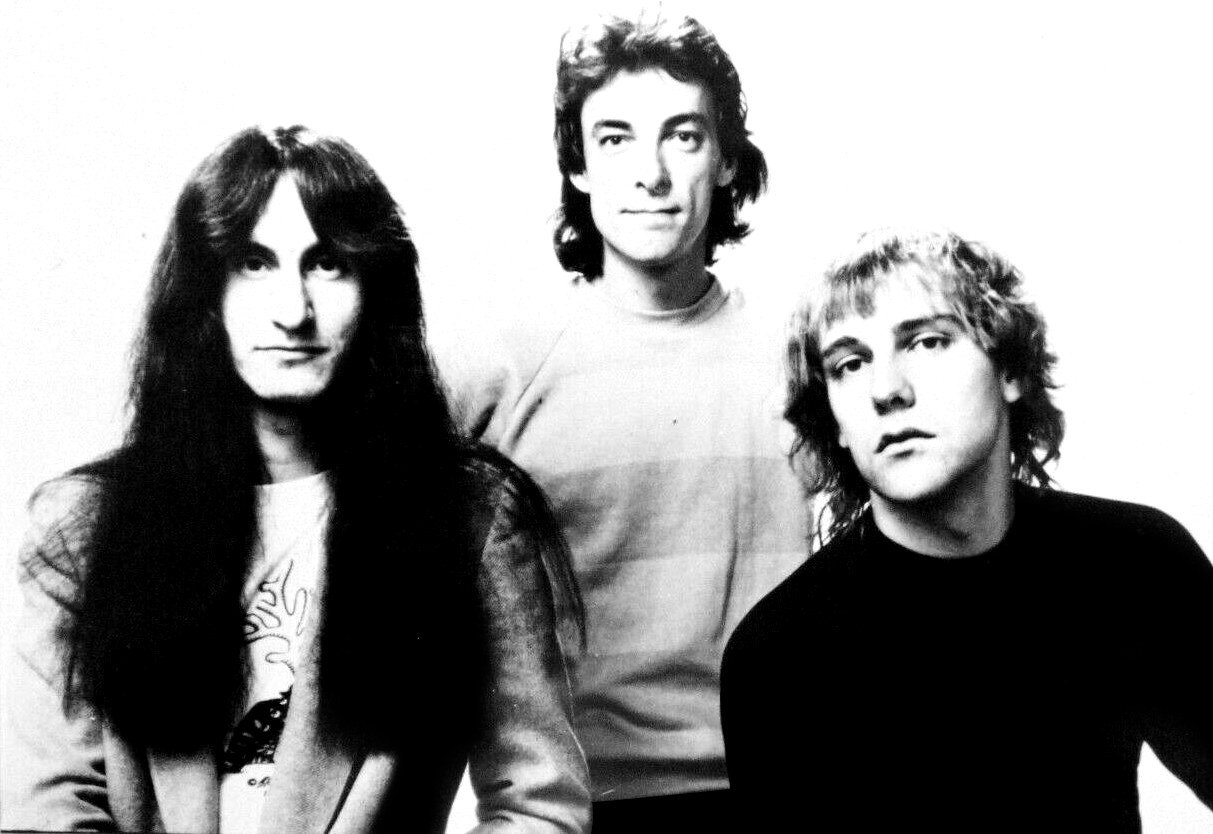
 photo: shadowgate · cc by 2.0 ↗
Queensrÿche
sourcesWikipedia · Dinosaur Rock Guitar · MusicPlayers.com
Queensrÿche grew out of a Bellevue, Washington garage band called Cross+Fire, formed in 1980 by guitarists Michael Wilton and Chris DeGarmo, drummer Scott Rockenfield, and bassist Eddie Jackson, who renamed themselves the Mob before settling on Queensrÿche in 1982 with singer Geoff Tate. Early sets built on Iron Maiden and Judas Priest covers gave way to something more ambitious: 1988's 'Operation: Mindcrime,' a concept album about a junkie brainwashed into committing political assassinations, fully realized the band's fusion of metal muscle and art-rock scope and is still regarded as one of the genre's defining records. 'Empire' (1990) and its unlikely ballad hit 'Silent Lucidity' made them platinum-selling stars before DeGarmo's 1998 departure and Tate's 2012 firing reshaped the band into its current, Todd La Torre-fronted lineup.
the sound in question
1990
Silent LucidityQueensrÿche
walk the tributaries ↓
Judas Priest1980s · Heavy metal
As Cross+Fire and then the Mob, the future members of Queensrÿche cut their teeth covering Judas Priest songs in Rockenfield's parents' garage; guitarist Michael Wilton has cited Judas Priest among the hard rock and metal records he absorbed as a teenager alongside UFO and Iron Maiden. The band's 1984 debut, 'The Warning,' was even produced by James Guthrie, who had engineered for Judas Priest — and Queensrÿche toured with Priest again two decades later, in 2005.
listen: upstream & here
1982
Electric EyeJudas Priest
1983
Queen of the ReichQueensrÿche
listen forCompare 'Electric Eye' with 'Queen of the Reich' — both ride a precise, mechanized twin-guitar riff and a soaring, controlled vocal delivered with almost martial exactness, metal built on discipline rather than sprawl.
Iron Maiden1980s · Heavy metal / Hard rock / New wave of British heavy metal
Iron Maiden covers were part of the same early rehearsal-room diet that produced Judas Priest covers, and the connection deepened on the road: Queensrÿche opened for Iron Maiden's 1984–85 'Powerslave' world tour and toured with them again in 2000. Wilton has named Maiden among his formative teenage listening, and the band's early records lean on the same galloping rhythms and dramatic, widescreen song structures.
listen: upstream & here
1982
The Number of the BeastIron Maiden
1984
Take Hold of the FlameQueensrÿche
listen forSet 'The Number of the Beast' next to 'Take Hold of the Flame' — both open with a tension-building intro before locking into a galloping rhythm under a soaring, theatrical vocal, epic in scale rather than sheer heaviness.
Rush1970s–80s · Progressive rock / Hard rock / Progressive metal
Where Maiden and Priest gave Queensrÿche its metal chassis, guitarist Chris DeGarmo has pointed to Rush's Alex Lifeson — his chord voicings and sense of progressive song structure — as a formative, self-taught influence absorbed off records and radio. It's the strand that pushed Queensrÿche past straightforward metal covers toward multi-part songs and, eventually, a full narrative concept album.
listen: upstream & here
1981
LimelightRush
1988
Suite Sister MaryQueensrÿche
listen forPlay 'Limelight' against 'Suite Sister Mary' — both move through several distinct musical sections rather than a single verse-chorus loop, using dynamic shifts and tempo changes to carry a mood across many minutes.