walking upstream…
Iron Maiden
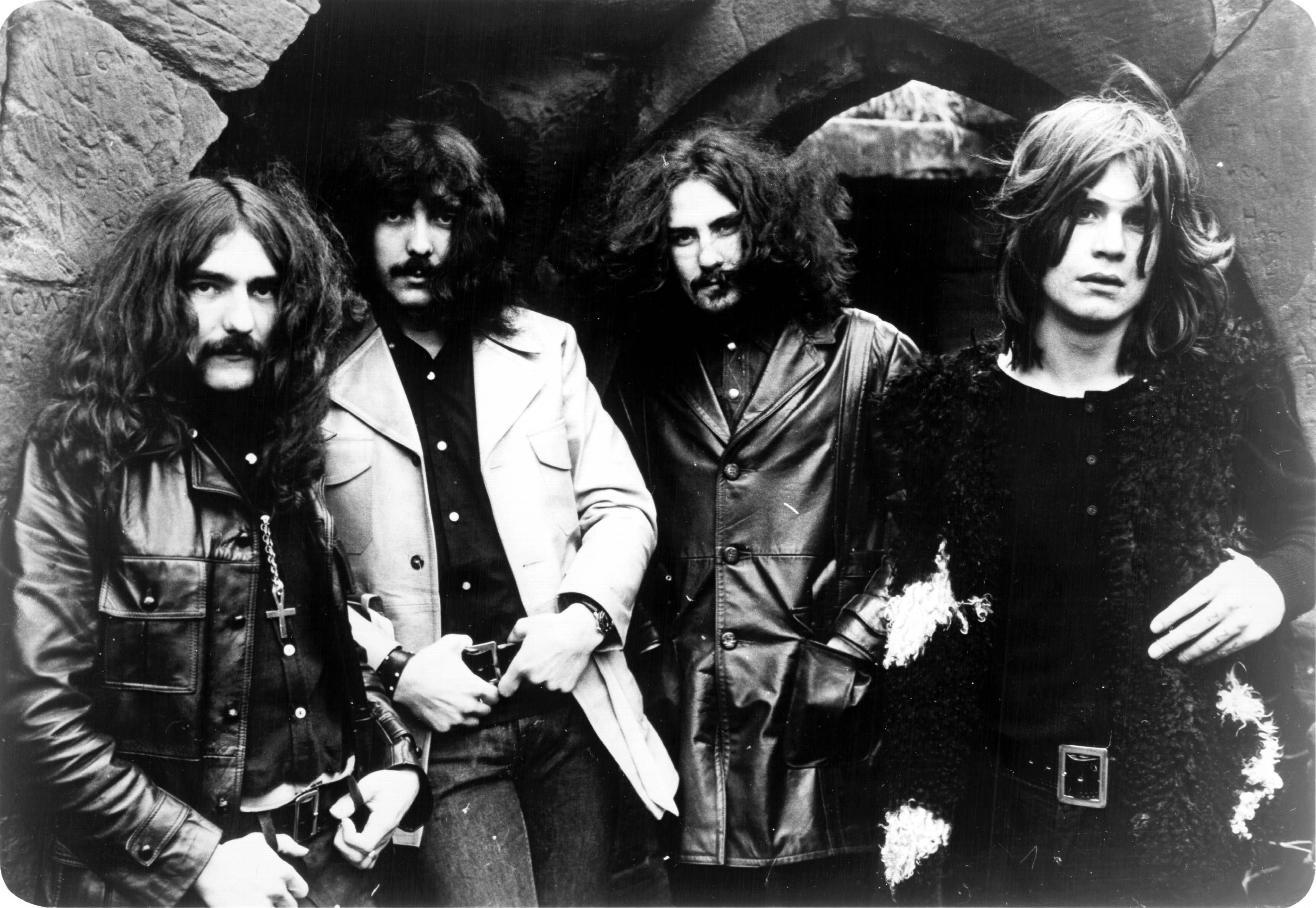

 photo: fernando catalina landa · cc by 2.0 ↗
Iron Maiden
sourcesLoudwire — Steve Harris · Louder Sound — The prog icon who blew Iron Maiden bassist Steve Harris's mind (Ian Anderson/Aqualung praise, Cross-Eyed Mary cover) · Louder Sound — Iron Maiden's Steve Harris · Rock and Roll Garage — Ian Anderson talks about Iron Maiden's Bruce Dickinson and Steve Harris (the "impossible key" quote, citing The Metal Voice) · Wikipedia — Cross-Eyed Mary (Iron Maiden's 1983 cover as B-side to The Trooper)
Steve Harris was on course to play football for West Ham United when a school friend handed him a stack of borrowed albums instead — Black Sabbath, Jethro Tull, Wishbone Ash. "That was it," he said. "It changed my life completely." He bought a Gibson Thunderbird bass and, in 1975 in East London, built Iron Maiden around that same restless appetite for both heaviness and complexity: galloping, lead-melodic bass lines under lyrics drawn from history, literature, and horror. The band clawed up through London's pub circuit into the New Wave of British Heavy Metal, and by the mid-1980s, with Bruce Dickinson fronting and their skeletal mascot Eddie looming over the stage, had become one of metal's most enduring institutions — proof a genre built on heaviness could also be built on ambition.
the sound in question
1982
The Number of the BeastIron Maiden
walk the tributaries ↓
Black Sabbath1970s · Heavy metal / Hard rock
Iron Maiden's founder and bassist, Steve Harris, was a schoolboy football prospect when a friend played Black Sabbath's Paranoid in the background of a chess game. "Sabbath in particular was like 'Wow, it's amazing,'" he later said, naming it "the first album that made me wanna play." What he carried off wasn't Tony Iommi's riffs so much as the album's nerve — the willingness to make heaviness itself the subject of a song, dread treated as a compositional tool rather than an ornament.
listen: upstream & heresource: Rock and Roll Garage — What Is Iron Maiden's Steve Harris' Opinion on Black Sabbath (the Paranoid quote) ↗
1970
War PigsBlack Sabbath
1982
Hallowed Be Thy NameIron Maiden
listen forBlack Sabbath's "War Pigs" opens on a dirge — Tony Iommi's downtuned riff dragging under Ozzy Osbourne's air-raid drawl — before the tempo doubles into a driving sprint for the song's final stretch. Iron Maiden's "Hallowed Be Thy Name," a condemned man's last thoughts before execution, leans on the identical shape: slow, doom-laden verses that Harris built to release into a galloping, double-time finish. Both bands make the same bet — let dread earn its speed.
Jethro Tull1970s · Progressive rock / Folk rock / Hard rock
Harris calls Ian Anderson "one of the most gifted writers that ever lived," a superlative he doesn't extend loosely — of Jethro Tull's 1971 album Aqualung, he named its track "Locomotive Breath" the band's greatest song, and in 1983 Iron Maiden went further than praise, cutting their own version of the album's "Cross-Eyed Mary" for the B-side of "The Trooper." Anderson later noted the transposition trapped a young Bruce Dickinson: "they did it in the same key as I did but that puts it in the impossible key for Bruce Dickinson" — Anderson's low baritone forcing Dickinson's tenor up an uncomfortable octave.
listen: upstream & here
1971
Cross-Eyed MaryJethro Tull
1983
Cross-Eyed MaryIron Maiden
listen forPlay Jethro Tull's "Cross-Eyed Mary" against Iron Maiden's 1983 cover and the arrangement's bones are identical — same riff, same stop-start phrasing — but everything around them has been sped up and hardened: Ian Anderson's flute is gone, replaced by twin guitars, and Martin Barre's jazzy swing tightens into Maiden's driving gallop. It's the clearest evidence in Maiden's catalog that the debt to Tull was never just about complexity — it runs down to the riffs themselves.