walking upstream…
Fela Kuti

sourcesWikipedia — Fela Kuti · Fela Kuti official archive — "1968" (Afrobeat naming; Geraldo Pino/James Brown context) · OkayPlayer — How Fela Kuti Channeled James Brown's Funk to Spark His Own Revolution · Edge of the Line — James Brown, Fela Kuti, funk and Afrobeat (Tony Allen quote) · Afropop Worldwide — Geraldo Pino and Fela Kuti in Ghana · Odu News — FELA · The Native — Remembering "Shake Hands" by Geraldo Pino & the Heartbeats · OkayAfrica — Fela Kuti Before Afrobeat
On October 15, 1938, in Abeokuta, Nigeria, Fela Ransome-Kuti was born into a family of reformers — his mother Funmilayo led anti-colonial protests, his father ran a school. Sent to London in 1958 to study medicine, he enrolled in music instead, forming a jazz-highlife band, Koola Lobitos. Back in Lagos by 1963, he couldn't get audiences dancing to pure jazz, so he leaned into highlife instead. A hard 1969 stint in Los Angeles changed everything: introduced to Black Power thought by the singer Sandra Isidore, he went home determined to Africanize his sound and politics, renaming his band Africa '70 and coining the term Afrobeat. A fortified compound, the Kalakuta Republic, followed — burned down in a 1977 raid that killed his mother. He kept recording protest music with Egypt 80 until his 1997 death — a musician who never separated the groove from the fight.
the sound in question
1976
ZombieFela Kuti
walk the tributaries ↓
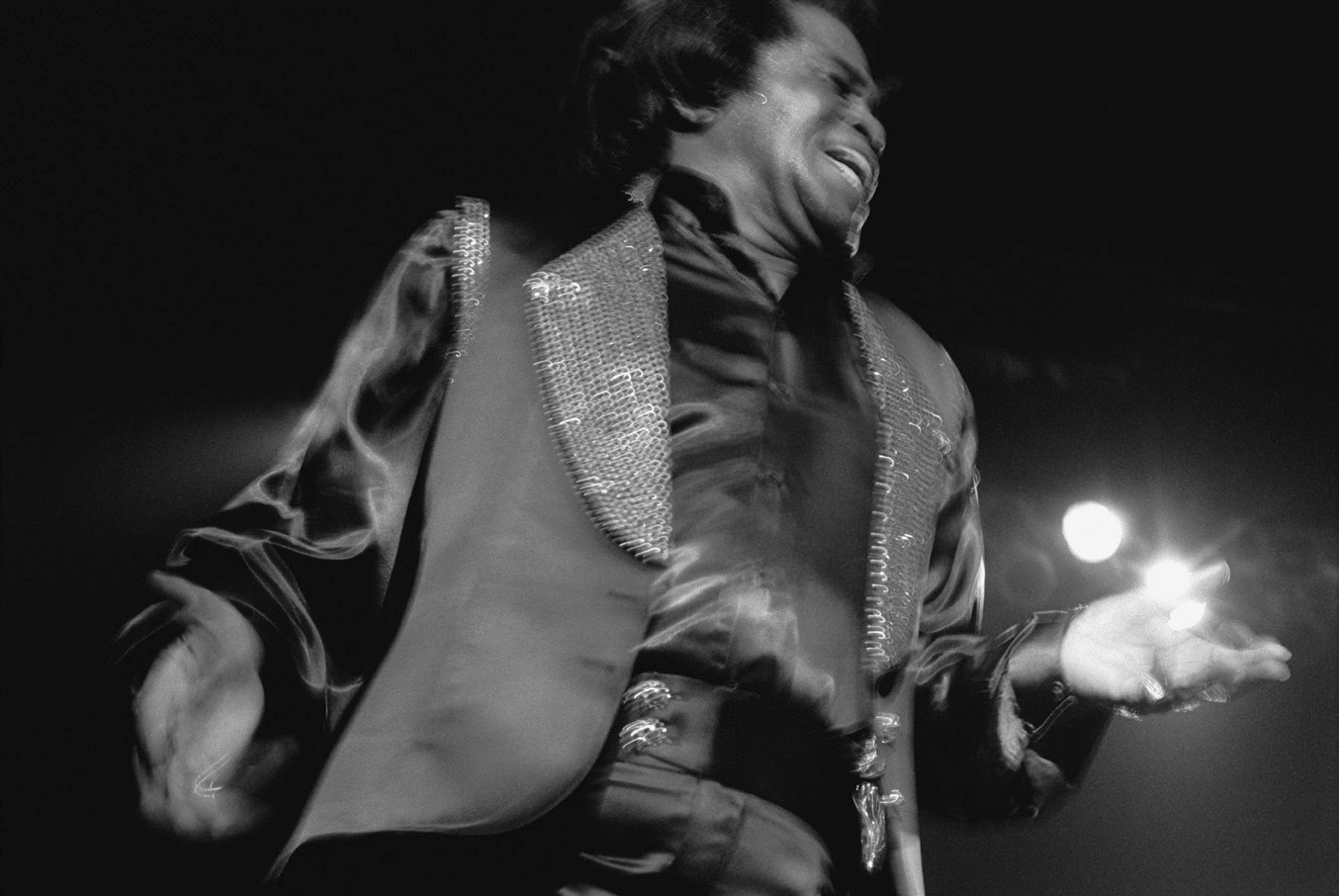
James Brown1960s–70s · Funk / Soul / Rhythm and blues
Fela rarely credited James Brown by name — in his own telling, the beat behind 1969's "My Lady's Frustration" came from an old London acquaintance, bandleader Ambrose Campbell, not from the Brown records playing constantly during his ten months in Los Angeles. His drummer Tony Allen was blunter about the debt, if not the timeline: "We'd already heard him and assimilated what he did," Allen said of Brown's own later Lagos shows — and the influence ran both ways, since Brown himself later admitted "some of the ideas my band was getting from [Kuti's] band had come from me in the first place."
listen: upstream & heresource: American Studies — Alexander Stewart, "Make It Funky ↗
1967
Cold SweatJames Brown
1969
My Lady's FrustrationFela Kuti
listen forCold Sweat strips James Brown's band down to almost pure rhythm, the horns reduced to stabbing punctuation around the downbeat musicians called "the one." Cue up "My Lady's Frustration" next and you can hear Fela's drummer Tony Allen chasing that same emphatic pulse on a dense, sixteenth-note groove — then hear it turn unmistakably his own the moment the vocal enters: no scream or growl, just a wordless Yoruba chant riding on top of it.
Geraldo Pino1960s · Funk / Highlife / Soul
By the mid-1960s, Fela's highlife-jazz band Koola Lobitos was struggling for an audience against Nigeria's "copyright bands" covering American soul, so he took the group to Ghana. There, Sierra Leonean bandleader Geraldo Pino was already playing note-for-note James Brown covers — dance moves and imported gear included — years before Brown ever performed in Africa himself, and one account has Fela leaving so rattled he "forgot that he, himself was a musician." Back home by 1968, Fela called a press conference and renamed his music Afrobeat, explicitly to stop being lumped in with Pino-style Brown copy acts.
listen: upstream & heresource: American Studies — Alexander Stewart, "Make It Funky ↗
1966
Shake HandsGeraldo Pino
1975
Water No Get EnemyFela Kuti
listen forPino's own records are scarce, but by every account he played James Brown's songs almost note for note, dance steps included — a straight import, not yet transformed. "Water No Get Enemy," cut a decade later, shows what Fela did with that same funk-and-horn showmanship once he'd fully digested it: the interlocking rhythm guitar and horn-punctuated groove are the family resemblance, stretched now into an extended, chanted Afrobeat arrangement instead of a cover.
E.T. Mensah1950s · Highlife
Highlife — the horn-driven dance-band sound Ghana's E.T. Mensah had carried across West Africa through the 1950s — was the language Fela's earliest band, Koola Lobitos, had to speak whether he liked it or not; his jazz ambitions kept losing to the dance floor, and even his own mother told him plainly to "start playing music your people understand, not jazz." The historian Chris May, reviewing those Koola Lobitos highlife sides decades later, still found them carrying the seeds of what came next: tracks that "introduce several of the key characteristics of Fela's mature style," years before Afrobeat had a name.
listen: upstream & here
1956
All For YouE.T. Mensah
1965
OlorukaFela Kuti
listen forPlay Mensah's "All For You" — brassy, buoyant, built for a dance floor rather than a listening room — then Koola Lobitos's "Oloruka" from that same mid-1960s highlife apprenticeship. The horns still arrange themselves in Mensah's big-band dance voicings and the tempo still courts dancers rather than protest, the sound Fela hadn't yet pushed toward Afrobeat's grittier, groove-locked horn stabs and extended vamps.