walking upstream…
DJ Kool Herc

sourcesWikipedia — DJ Kool Herc (biography, breakbeat technique, chronology) · Wayne Marshall (Wayne & Wax) — DJ Kool Herc biographical essay (Jamaican roots, sound-system culture, 1973 party; cites Jamaica Observer 2004 interview) · Grammy.com — DJ Kool Herc & Cindy Campbell interview (Jamaican sound-system observation, King George) · Complex — "A History of the Apache Breakbeat" (Kool Herc's own quote on Bongo Rock's "Apache") · Wikipedia — Give It Up or Turnit a Loose (cites Steven Ivory's 2000 Funk Box liner notes on Herc's 1973 use of the record)
On August 11, 1973, Clive Campbell — a Kingston-born teenager who'd swapped his childhood nickname for "Kool Herc" in a Bronx graffiti crew — DJed his sister Cindy's back-to-school party in the rec room of 1520 Sedgwick Avenue. He'd left Jamaica for the Bronx as a boy in 1967, but the rig he built that night, anchored by his father's Shure PA system and Macintosh amplifier, mirrored the sound systems he'd watched battle in Kingston's dancehalls. Rather than play records straight through, he isolated the stripped, percussion-heavy passage dancers waited for — the "break" — and, cueing two copies back to back, stretched it into an endless loop he called the Merry-Go-Round. He rarely recorded; the surviving evidence is a handful of bootlegged block-party tapes. The technique he pioneered that night, not any single hit, is why hip-hop counts him as its first father.
the sound in question
1981
DJ Kool Herc & The Herculords - Live at the T-Connection (Part 1)DJ Kool Herc
walk the tributaries ↓
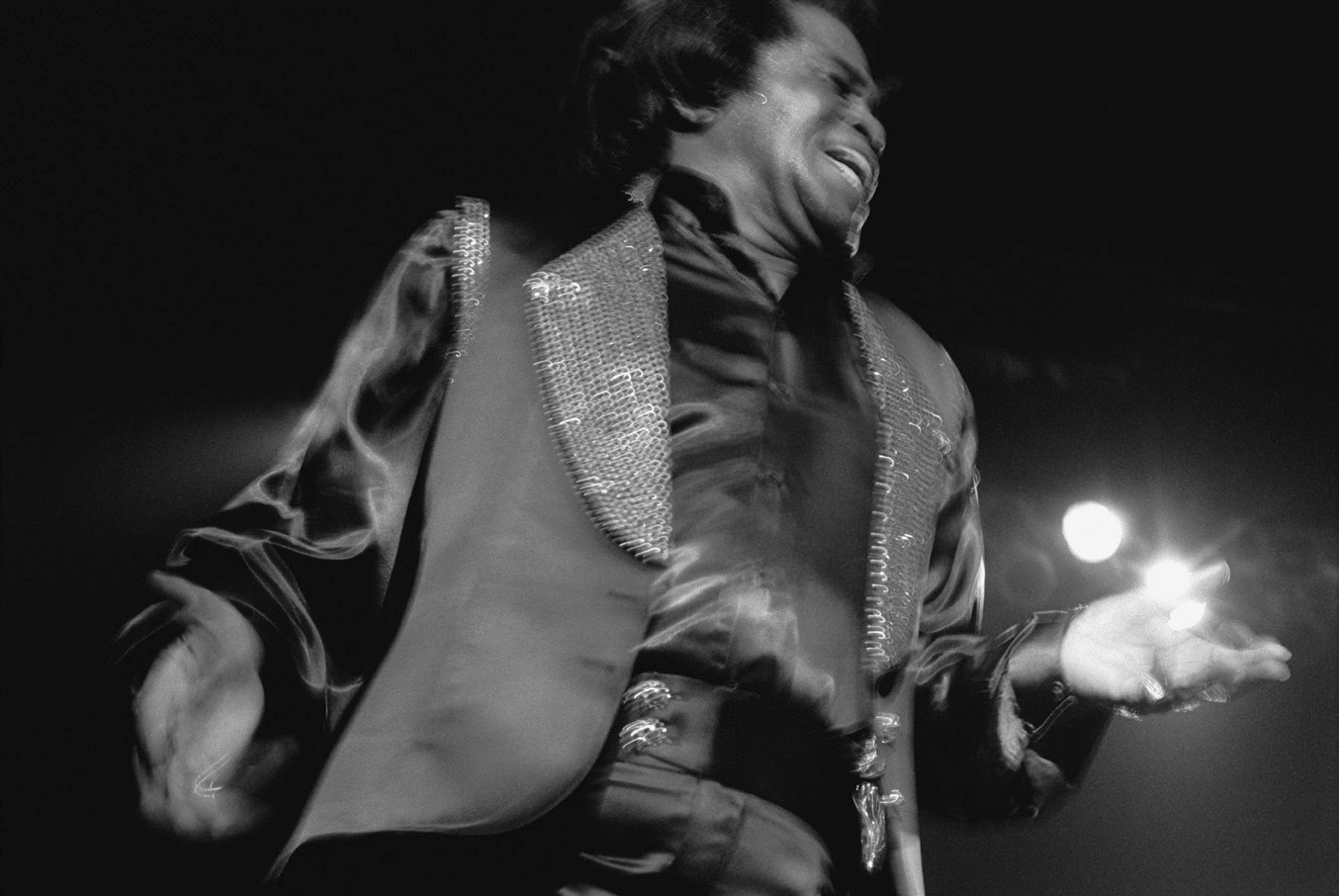
James Brown1960s–70s · Funk / Soul / Rhythm and blues
Herc's father indulged one specific request: a copy of James Brown's Sex Machine, a record, Herc has said, that none of his friends owned, so they'd come by just to hear it. But the Brown record he kept reaching for at parties was a different one. "My big record back then was James Brown, 'Give It Up Or Turnit A Loose,'" he told Red Bull Music Academy — the track whose bare four-bar drum breakdown he isolated and, cueing two copies side by side, stretched into the loop he called the Merry-Go-Round.
listen: upstream & heresource: Red Bull Music Academy Daily — DJ Kool Herc interview (own testimony on James Brown, the break technique, reggae) ↗
1969
Give It Up or Turnit a LooseJames Brown
1981
DJ Kool Herc & The Herculords - Live at the T-Connection (Part 1)DJ Kool Herc
listen forCue up "Give It Up or Turnit a Loose" and count to the point where the horns drop out and only the drums keep driving — that four-bar pocket is the exact passage Herc rode on two turntables. The surviving 1981 recording from the Bronx club T-Connection doesn't preserve this specific record, but it preserves the method: listen for the DJ cutting cleanly back to the top of a groove just as it threatens to end, keeping a single rhythmic idea circling instead of letting the song move on.
Incredible Bongo Band1970s · funk / instrumental rock / Latin rock
By 1973, Herc's Merry-Go-Round ran through a fixed sequence: James Brown's break, then a switch into "Bongo Rock" by the Incredible Bongo Band — pure conga and drum, no vocals to interrupt the loop — then a third jump into Babe Ruth's "The Mexican." By the mid-1970s he'd added the group's cover of "Apache," and it never left his crates. "They still can't beat that record until this day," he said decades later. "Everybody's still using Bongo Rock's Apache." What the Incredible Bongo Band's music offered him was structural: percussion stripped bare enough to loop without ever getting boring.
listen: upstream & here
1973
ApacheIncredible Bongo Band
listen forPlay "Apache" and wait for the bongo-and-drum break that opens the track and recurs between verses — no melody, no vocal, just a rolling four-bar pattern built to be cut and re-cut. That's the passage Herc, and after him entire generations of Bronx DJs, looped for whole dance sets, and it's why the track is remembered as hip-hop's unofficial "national anthem." No surviving Herc recording documents him spinning this exact copy, so listen for the shape of the break itself — the raw material his technique was built to isolate.
U-Roy1970s · Reggae / Dub
Herc rarely credited Jamaica outright — reggae itself, he told Red Bull Music Academy, "wasn't catching" with his Bronx crowds, so he stuck to funk. But asked about his influences by a Jamaica Observer reporter in 2004, he broke from his usual list of American names and named a run of Jamaican greats, U-Roy among them — the sound-system deejay who'd turned talking rhythmically over Duke Reid's rocksteady tracks into its own art form at Treasure Isle. It's that model, more than any specific record, that Herc carried into the Bronx: the DJ as a performer, not just a selector.
listen: upstream & heresource: The Reggae Museum — U-Roy profile (toasting tradition, Kool Herc connection) ↗
1970
Wake the TownU-Roy
1981
DJ Kool Herc & The Herculords - Live at the T-Connection (Part 2)DJ Kool Herc
listen forPlay U-Roy's "Wake the Town" and listen to how his voice rides on top of the rhythm rather than singing through it, ad-libbing and dropping out to let the track breathe. On a second reel from that same T-Connection night, an MC works the crowd over Herc's turntables in exactly that spirit — rhyming patter layered over an instrumental groove rather than a song with a fixed melody. Neither man invented rapping over a beat outright, but the same performing instinct — voice as rhythm instrument — runs through both.