walking upstream…
Cold Crush Brothers


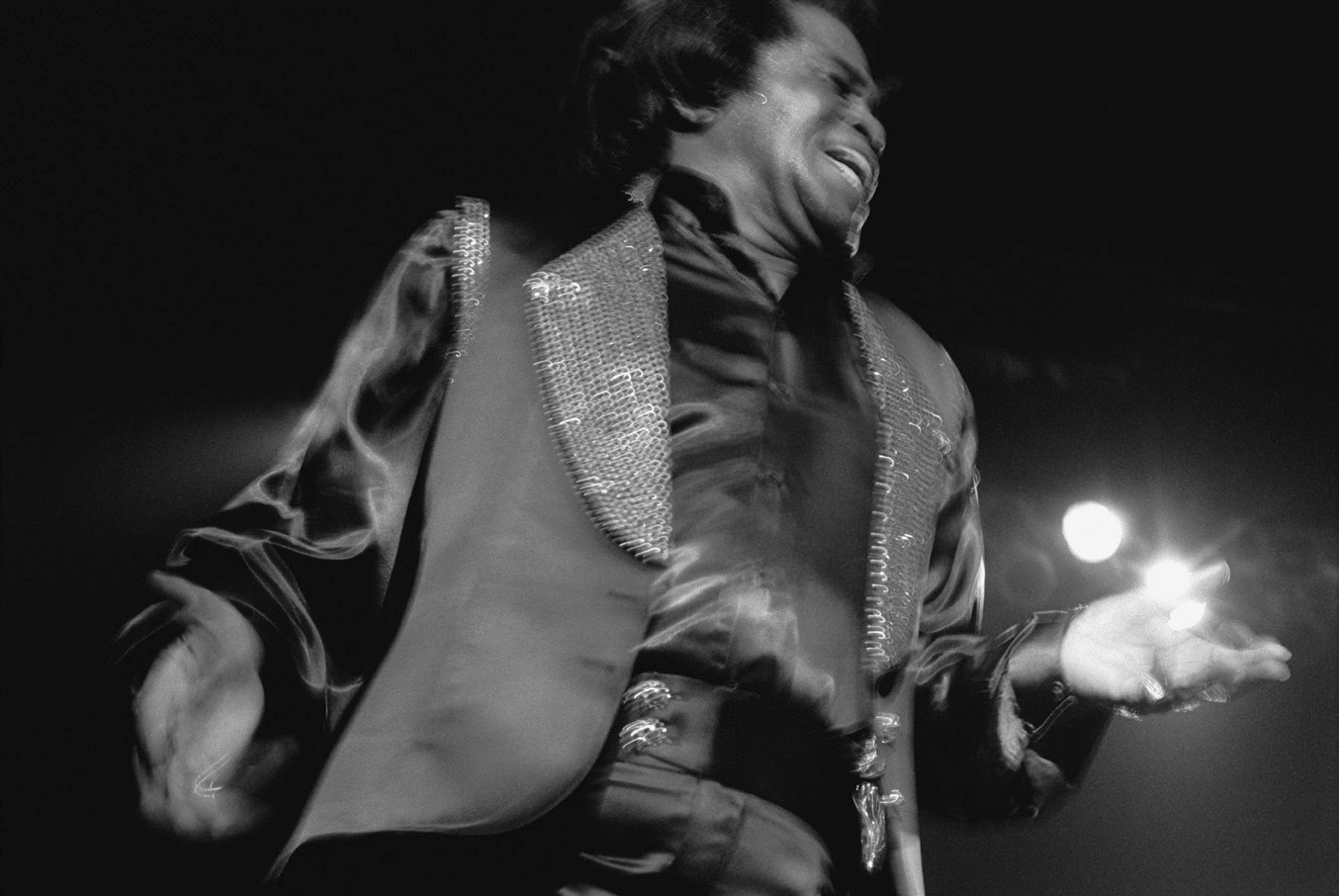
 photo: easy ad · cc by-sa 3.0 ↗
Cold Crush Brothers
sourcesWikipedia — The Cold Crush Brothers (formation, Harlem World battle, Wild Style, CBS signing) · Rolling Stone — Lovebug Starski obituary (standing among founding DJ pioneers, "Gangster Rock" release) · HipHopBebop.com — Cold Crush Brothers discography (release years for Weekend, Punk Rock Rap, Fresh Wild Fly and Bold) · Trinity International Hip Hop Festival — DJ Tony Tone profile (formation detail, Weekend release, CBS deal)
In 1978, DJ Tony Tone and Charlie Chase built a South Bronx crew around breakbeats and doo-wop harmony; when Grandmaster Caz's group merged in, Tony Tone remembers, "I think they got big when we joined." Cold Crush Brothers turned park-jam rapping into stagecraft — synchronized routines, densely written verses — and their July 1981 battle with the Fantastic Five at Harlem World, though narrowly lost, spread on bootleg cassette and made them legends before they'd cut a record. The real turning point came sideways: Caz's rhymes, taped and memorized by road manager Big Bank Hank, resurfaced uncredited on the Sugarhill Gang's "Rapper's Delight" (1979), commercial rap's breakout hit. Cold Crush never landed a hit that big themselves — but they wrote the language it stole.
the sound in question
1983
Punk Rock RapCold Crush Brothers
walk the tributaries ↓
DJ Kool Herc1970s · Hip hop / Funk / Breakbeat
Asked point-blank whether Kool Herc's mythic 1973 block parties felt like history in the making, Grandmaster Caz laughed off the legend — "there were tons of other house parties" — before landing on the real claim: "I do think Kool Herc was the catalyst that made it possible and made it cool." That's the Bronx that raised Cold Crush: Herc's turntables setting a template — a DJ cutting breaks while a crowd answers back — that Charlie Chase and Tony Tone inherited five years later, in the same borough, off the same idea.
listen: upstream & here
1981
Live The T Connection (Part 1)DJ Kool Herc
1982
WeekendCold Crush Brothers
listen forHerc's 1981 tape "Live The T Connection" is raw crowd-and-turntable noise — a DJ looping a break while a room chants back, no verses, no structure. Cold Crush's "Weekend" takes that same call-and-response engine and gives it a bridge, day-of-the-week hooks, and MCs trading lines. Listen for the shared pulse under both records: the same insistent breakbeat, one still a party in progress, the other shaped into a single you could actually buy.
Love Bug Starski1980s · Hip hop
Every hip-hop pioneer names Kool Herc; Caz named someone else as his personal turning point. "If I had to say a rapper/DJ, that would be Love Bug Starski," he said. "He was the bridge between those old disco guys and us. He's the first person whose rhymes I recited that I didn't write." Before Caz became Cold Crush's chief lyricist, before he'd written a line of his own, he was performing another man's words — learning the shape of a verse from a Bronx DJ-rapper who'd already fused old party-jock patter into something that scanned like rap.
listen: upstream & heresource: POW — "The Cornerstone of Culture ↗
1979
Gangster RockLove Bug Starski
1984
Fresh, Wild, Fly and BoldCold Crush Brothers
listen for"Gangster Rock" rides on Starski's chanted, crowd-baiting catchphrases — the raw "party rocking" style he pioneered live at the mic. "Fresh, Wild, Fly and Bold," cut five years later at Cold Crush's commercial peak, keeps that same call-and-response pull between MC and crowd but swaps improvised patter for tightly written, traded-off verses. Listen for the chant hook that opens each record, then notice how much more the Cold Crush verses are built to be repeated exactly, not riffed on.
James Brown1960s–70s · Funk / Soul / Rhythm and blues
Caz drew a careful line when asked about James Brown's role in rap's invention: "I think his impact was more in dance than rap, because of the samples and the break beats and the songs that were anthems... James Brown is a constant as far as hip-hop is concerned." He credited Brown not with rapping's DNA but its raw material — "the most sampled...artist of all-time" — the records DJ Charlie Chase cut up on the turntables at Cold Crush's earliest park jams, before anyone in the crew had written a rhyme.
listen: upstream & heresource: POW — "The Cornerstone of Culture ↗
1969
Give It Up or Turnit a LooseJames Brown
1983
Punk Rock RapCold Crush Brothers
listen forNo confirmed sample links Brown's 1969 single to "Punk Rock Rap" directly — Caz named it as one of the era's foundational anthems, not this specific track's source. But the kinship is audible anyway: Brown's tight, syncopated horn-and-drum breaks are the same rhythmic engine Charlie Chase pulled from his crates to build Cold Crush's early sets, and it's still there under "Punk Rock Rap's" rock-guitar fusion — a breakbeat skeleton drawn from the same funk vocabulary Brown popularized.