walking upstream…
Melle Mel



sourcesDamien Love — Rap Moves On · Ask Hip Hop — Rising Beats · Wikipedia — Clyde Stubblefield (LA Weekly's 'foundation not only for funk, but for most of hip-hop' appraisal of the Funky Drummer break) · Rolling Stone — Clyde Stubblefield, James Brown's 'Funky Drummer,' dead at 73 (the break's reuse across Public Enemy, Run-D.M.C., and others) · Wikipedia / AllMusic — Gil Scott-Heron (AllMusic's 'progenitor of rap music' appraisal)
Melvin Glover grew up in the Bronx, where his father, a transplant from South Carolina, filled the house with country records, Otis Redding, Jackie Wilson, and Motown. None of it stuck the way DJ Kool Herc's crew did: a Herculords MC named Timmy Tim, working the crowd with an echo-heavy, phrase-by-phrase flow, rewired what Glover thought a voice over a rhythm could do. As Melle Mel, he co-founded Grandmaster Flash and the Furious Five and built routines with his brother Kidd Creole out of Herc's block-party tricks. In 1982, reluctant at first — "we didn't want to do it... it was just too serious," he said of label boss Sylvia Robinson's assignment — he delivered "The Message," turning rap from party music into reportage and landing the first hip-hop single in the Library of Congress's National Recording Registry.
the sound in question
1982
The MessageMelle Mel
walk the tributaries ↓
DJ Kool Herc1970s · Hip hop / Funk / Breakbeat
Before he was Melle Mel, Melvin Glover was a Bronx teenager parked in front of DJ Kool Herc's speaker stack, watching a Herculords MC named Timmy Tim work a crowd with, as one hip-hop history site records it, "one or two-bar phrases and a heavy echo chamber effect." Mel began building routines with his brother, Kidd Creole, who took Herc's own party call, "And yes, y'all," and reshaped it into a rhythmic hook — the seed of the group chants Melle Mel spent the next decade sharpening into a signature.
listen: upstream & heresource: Wikipedia — DJ Kool Herc (the 1973 Sedgwick Avenue party; influence on Grandmaster Flash's circle) ↗
1981
DJ Kool Herc & The Herculords - Live The T Connection (Part 1)DJ Kool Herc
1983
White Lines (Don't Don't Do It)Melle Mel
listen forNo studio record of Herc exists; the closest surviving document is a tape of him working the T Connection club, tossing call-and-response phrases over a breakbeat for a room that keeps tossing them back. Listen for that same crowd-command instinct on "White Lines (Don't Don't Do It)," where Melle Mel's hook doesn't just warn about the drug, it drills the room — "don't, don't do it" landing like a phrase built to be shouted back, Herc's party-chant shape tightened into a pop chorus.
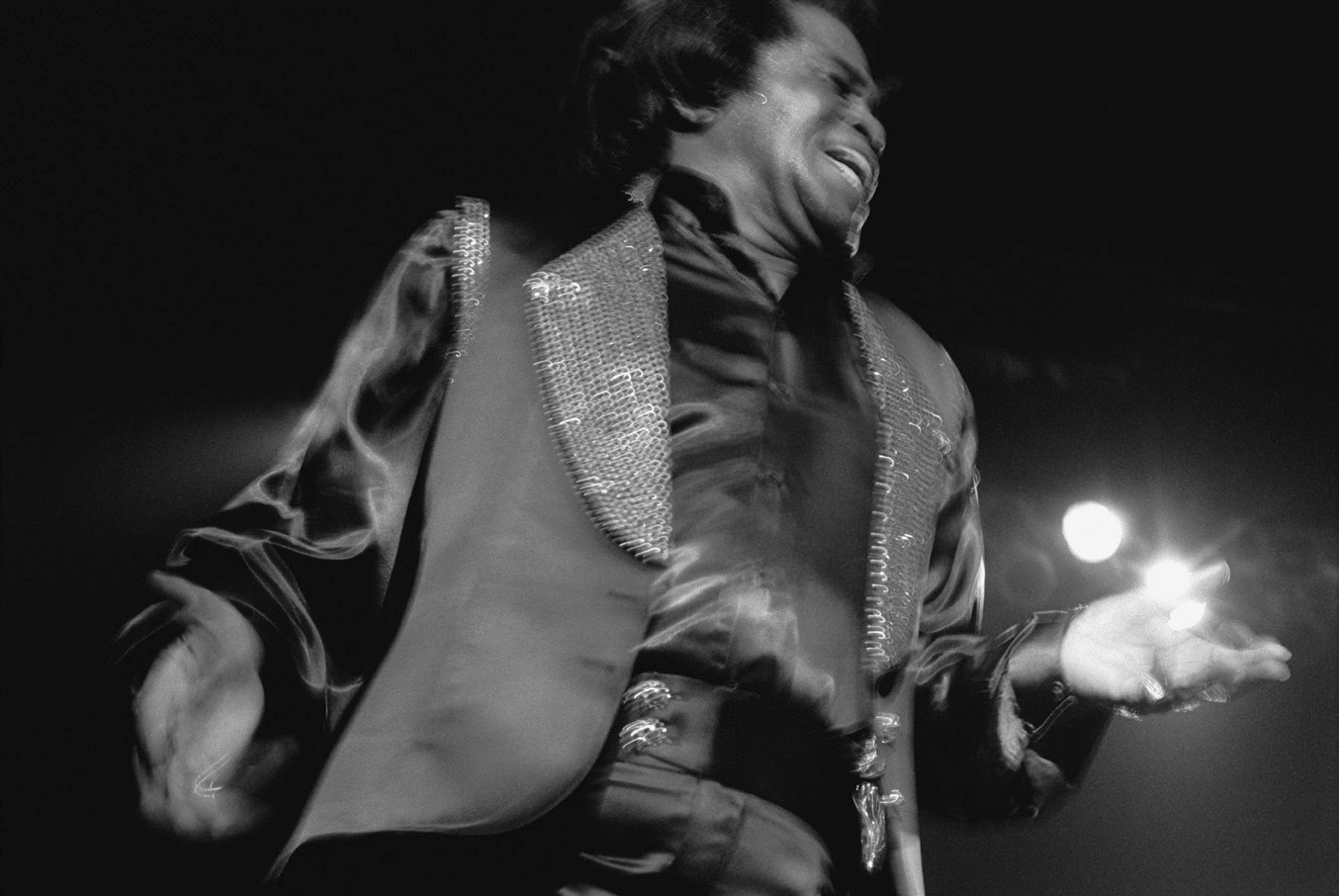
James Brown1960s–70s · Funk / Soul / Rhythm and blues
Ask Melle Mel what hip-hop's foundation actually is, and he doesn't reach for a rapper. "The basic hip hop beat would be like, yo, James Brown, funky drummer kind of beat," he told PBS's American Masters archive. "You know, it's real funky." James Brown's drummer Clyde Stubblefield cut that break in 1970, and it became, as Rolling Stone later put it, the rhythm hip-hop artists from Public Enemy to Run-D.M.C. would keep returning to — the pattern Melle Mel and his generation learned to phrase a rhyme against before they learned much else.
listen: upstream & heresource: PBS American Masters Digital Archive — Melle Mel (A.K.A. Melvin Glover) interview (James Brown/funky drummer as hip-hop's basic beat, in his own words) ↗
1970
Funky Drummer (Pt. 1 & 2)James Brown
1979
Superrappin'Melle Mel
listen forStubblefield's break on "Funky Drummer" lands its snare just behind where you'd expect it, syncopation the LA Weekly once called "the foundation not only for funk, but for most of hip-hop, as well." Sugarhill's studio band never touched that record directly, but the debt shows on the Furious Five's 1979 debut "Superrappin'," where a live rhythm section — not a sample, a band playing in the room — locks into that same behind-the-beat pocket, giving Melle Mel's verses the springy, funk-trained cushion to land on.
Gil Scott-Heron1970s · Spoken word / Soul / Jazz / Proto-rap
By the time Melle Mel sat down to help write "The Message," hip-hop already had a template for what he was attempting, even if nobody had named it yet. Gil Scott-Heron had spent the previous decade delivering poems over funk and soul — "aggressive, no-nonsense street poetry," AllMusic later wrote, that "inspired a legion of intelligent rappers." One account of Melle Mel's own development places him in that lineage directly, noting he drew from "The Last Poets, The Watts Prophets, and Gil Scott Heron" before he ever wrote a line about the South Bronx.
listen: upstream & heresource: Blax Radio — The GOD Melle Mel (Melle Mel's debt to The Last Poets, The Watts Prophets, and Gil Scott-Heron) ↗
1971
The Revolution Will Not Be TelevisedGil Scott-Heron
1982
The MessageMelle Mel
listen for"The Revolution Will Not Be Televised" never raises its voice — Scott-Heron just lists what's actually on television and what isn't, over a bassline and flute that keep circling without resolving into anger or comfort. "The Message" borrows that same flat, itemizing address: overcrowded subway cars, broken glass, a rat "as big as a cat," no punchline and no rescue, just details piling up over a groove that refuses to speed up to match the tension. Neither song needs a hook to make its case.