walking upstream…
Prince Buster

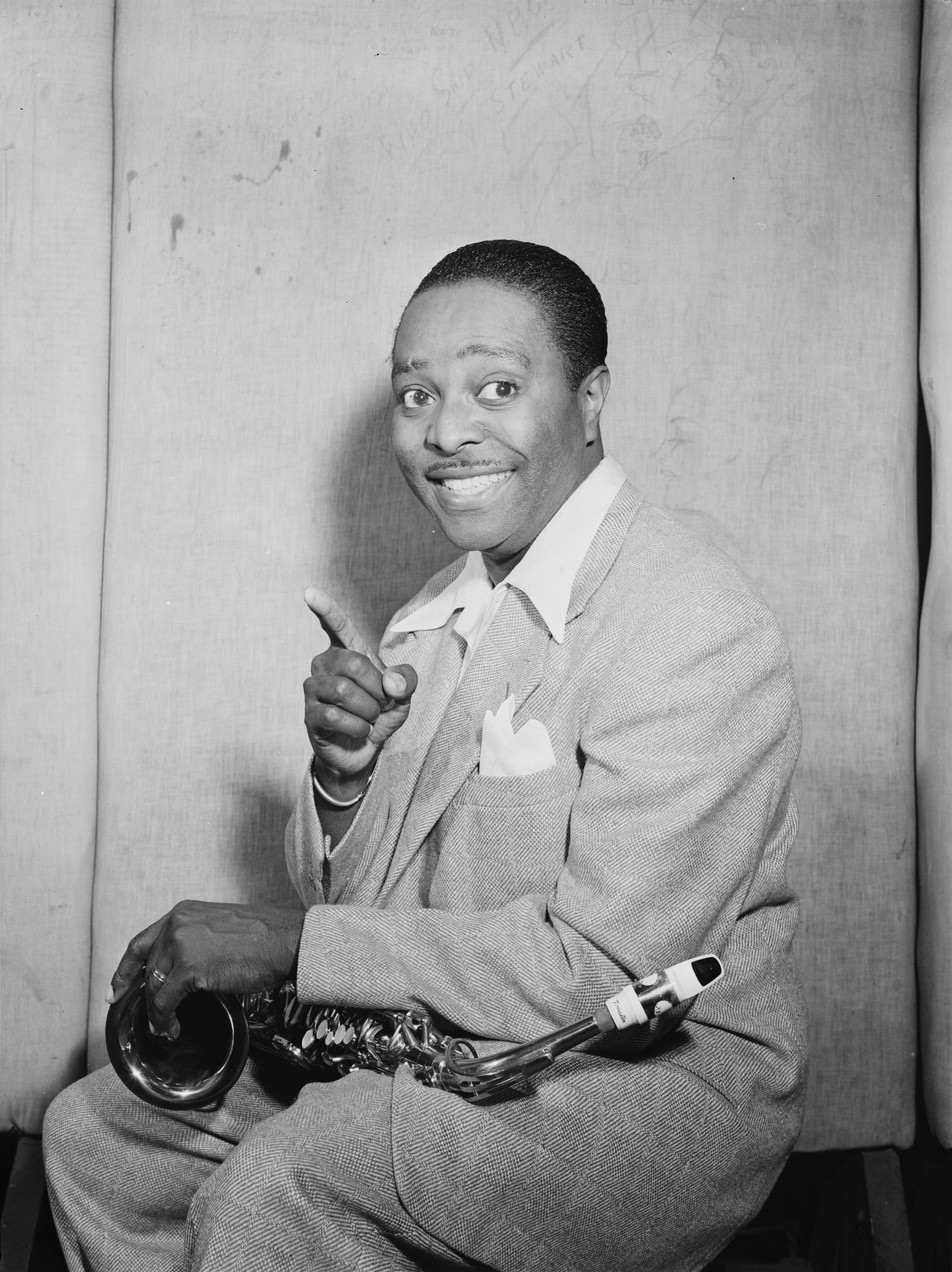
 photo: yerpo · cc by-sa 3.0 ↗
Prince Buster
sourcesWikipedia — Prince Buster (biography, sound-system years, Oh Carolina production) · Skabook — Prince Buster interview by Heather Augustyn (own words on creating ska, Little Honey session) · Wikipedia — Nyabinghi rhythm (Count Ossie's drumming synthesis, Prince Buster's use of the idiom) · Wikipedia — Ska (jump blues/R&B ancestry, the offbeat-flip technique)
Cecil Bustamante Campbell was born in Kingston, Jamaica, in 1938 and grew up on church hymns before he started following the sound system run by Tom the Great Sebastian, which played American rhythm and blues every Friday and Saturday night. He worked his way up under rival sound-system operator Coxsone Dodd — running security, counting tickets, learning the trade — before launching his own system, Voice of the People. When a U.S. work-visa scheme shut him out of buying records abroad, he decided to record his own instead. In 1961 he cut his debut single with drummer Drumbago and guitarist Jah Jerry, and that same year produced "Oh Carolina" with Rastafarian drummers most Kingston studios wouldn't touch. He later summed up what came of it plainly: "rocksteady is a child of ska and reggae is a child of rocksteady. So that makes ska the grandfather of reggae."
the sound in question
1964
Al CaponePrince Buster
walk the tributaries ↓
Count Ossie1970s · Nyabinghi / Reggae
To record the Folkes Brothers' "Oh Carolina," Buster drove into the Wareika Hills looking for a Rastafarian drum group — at a time when Rastafarians were, as Wikipedia's account of the song puts it, "marginalised in Jamaican society." He brought back Count Ossie's drummers, whose hand-drumming had never appeared on a commercial Jamaican record. The result is remembered as "a landmark single in the development of Jamaican modern music... for the incorporation of African-influenced Niyabinghi-style drumming." Buster, who would convert to Islam a few years later, kept using the idiom anyway, unbothered by who was or wasn't supposed to be welcome in a Kingston studio.
listen: upstream & heresource: Wikipedia — Oh Carolina (Count Ossie's drummers, landmark-single status) ↗
1958
Oh CarolinaCount Ossie
1964
One Step BeyondPrince Buster
listen for"Oh Carolina" opens on Count Ossie's hand drums alone — a rolling, processional pulse from Rastafarian worship, nothing like the R&B shuffles dominating Jamaican radio. That same marching, drum-forward pulse resurfaces underneath the horns on "One Step Beyond," Buster's 1964 instrumental: the drums stay out front, driving the track rather than just keeping time, the way Ossie's Wareika Hill players did on the session Buster brought them down the mountain for.
Fats Domino1950s · Rock and roll / Rhythm and blues / Boogie-woogie
Before he cut a record of his own, Prince Buster was a regular outside the hardware store where sound-system operator Tom the Great Sebastian spun imported American rhythm and blues every Friday and Saturday night. Wikipedia's account of his teenage years credits that sound system with "his first introduction to the songs and artists that would later influence his own music" — Fats Domino's "Mardi Gras in New Orleans" chief among them, alongside the Clovers and Shirley & Lee. Domino's rolling, syncopated groove became raw material Buster would later take apart.
listen: upstream & here
1953
Mardi Gras in New OrleansFats Domino
1961
Little HoneyPrince Buster
listen forDomino's "Mardi Gras in New Orleans" rides a shuffling, behind-the-beat piano triplet — the same swing scholars trace directly into ska's rhythmic DNA. On "Little Honey," the debut single Buster cut with drummer Drumbago and guitarist Jah Jerry in 1961, that shuffle gets turned inside out. "I put the march on the track," Buster said of the session, "and I asked him to put the accent on the one and the three and I had Jah Jerry come up with the strum of the guitar" — R&B's swing, flipped onto the upbeat.
Louis Jordan1940s · Jump blues / R&B / Swing
Louis Jordan wasn't a name Buster singled out in interviews, but his jump blues was everywhere on the sound systems that shaped him. Wikipedia's history of ska groups Jordan with Fats Domino, Barbie Gaye, and Rosco Gordon as American R&B artists "whose early recordings all contain the seeds of the 'behind-the-beat' feel of ska and reggae." By the late 1950s, that supply of fresh American singles was drying up, and Jamaican producers — Buster among them — started cutting their own versions instead of just spinning imports.
listen: upstream & here
1949
Saturday Night Fish FryLouis Jordan
1963
MadnessPrince Buster
listen forJordan's 1949 "Saturday Night Fish Fry" drives on a hand-clapped jump-blues shuffle, horns riding just behind the snare. Buster's 1963 "Madness" keeps that same uptempo, horn-led charge but relocates the accent: where Jordan's band leans into the downbeat, Buster's guitar and horns snap back on the offbeat — the same inversion Wikipedia's history of ska credits to Buster directly, who "essentially flipped the R&B shuffle beat, stressing the offbeats with the help of the guitar."