walking upstream…
Grandmaster Flash and the Furious Five


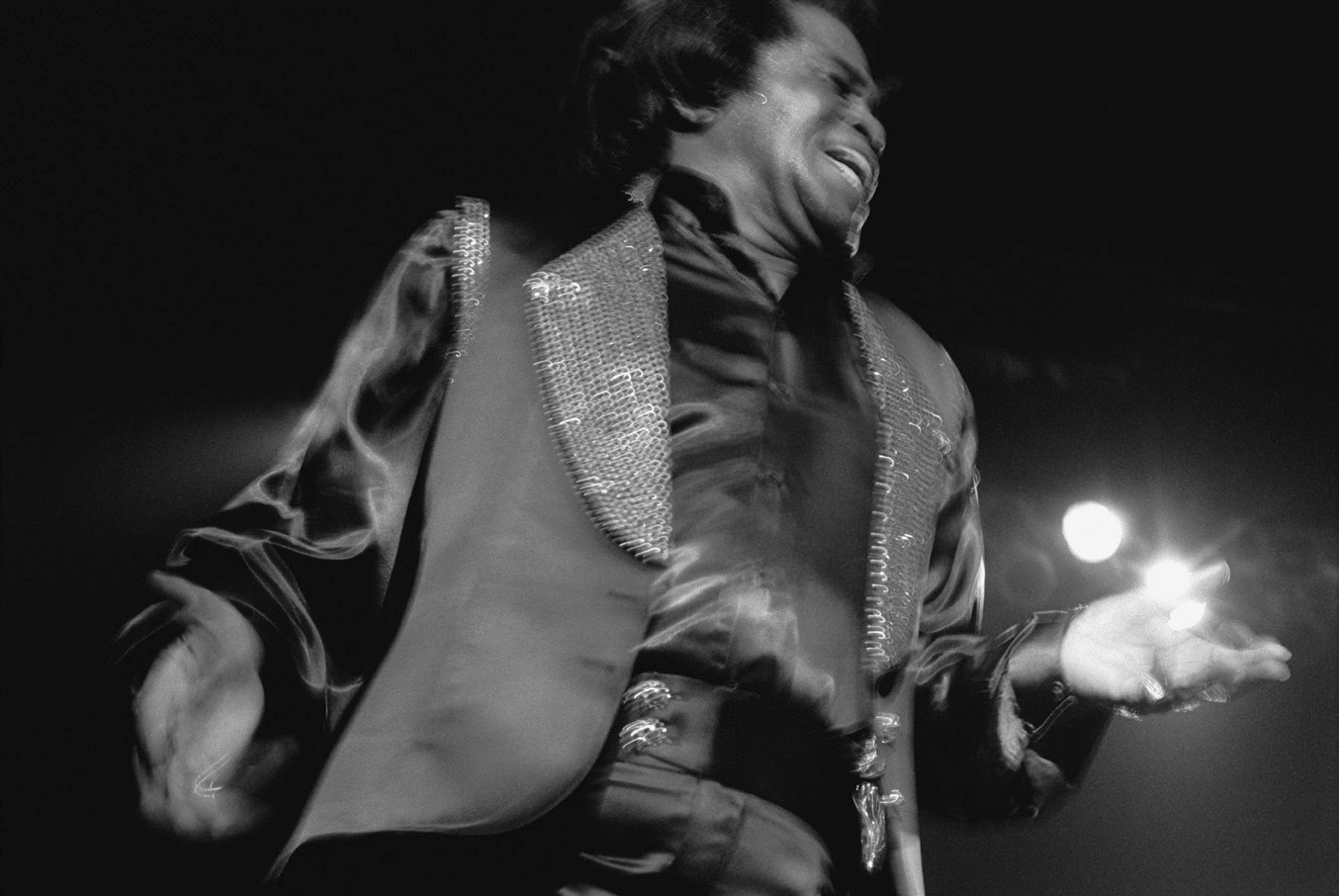
 photo: sugar hill records · public domain ↗
Grandmaster Flash and the Furious Five
Formed in the South Bronx in 1978, Grandmaster Flash and the Furious Five turned the DJ's park-jam toolkit into a recording art form: Flash's needle-drop precision on the wheels of steel behind the interlocking, trade-off rhymes of Melle Mel, Kidd Creole, Keef Cowboy, Scorpio, and Rahiem. "The Adventures of Grandmaster Flash on the Wheels of Steel" (1981) put turntablism itself on wax, and "The Message" (1982) proved rap could carry hard reportage from the block rather than just party rhymes, dragging hip-hop into mainstream seriousness almost single-handedly. In 2007 they became the first hip-hop act inducted into the Rock and Roll Hall of Fame.
the sound in question
1982
The MessageGrandmaster Flash and the Furious Five
walk the tributaries ↓
Chic1970s · Disco / Funk / R&B
Nile Rodgers and Bernard Edwards' in-the-pocket rhythm section became the literal foundation of early Sugar Hill Records rap: the label's house band replayed Chic's 'Good Times' bassline for the group's own 1980 single 'Freedom,' the same year the riff also underpinned the Sugarhill Gang's 'Rapper's Delight.' It's a direct, documented handoff from disco's most-copied groove into rap's first commercial records.
listen: upstream & here
1979
Good TimesChic
1980
FreedomGrandmaster Flash and the Furious Five
listen forPut 'Good Times' next to 'Freedom' and listen for the bassline — it's the same rolling eighth-note figure, re-cut by session players rather than sampled, with the Furious Five trading rhymes on top where Chic's vocalists sang about escaping the Depression-era blues.
DJ Kool Herc1970s · Hip hop / Funk / Breakbeat
Herc originated the technique Flash would spend years refining into an exact science: isolating a record's instrumental break on two copies and cutting back and forth to stretch it indefinitely. Flash has said outright that watching Herc's parties as a teenager showed him what was possible on turntables — his own contribution was making the handoff between breaks seamless and precisely timed, which he called the Quick Mix Theory.
listen: upstream & here
1981
Dj Kool Herc & The Herculords - Live The T Connection (Part 1)DJ Kool Herc
1981
The Adventures of Grandmaster Flash on the Wheels of SteelGrandmaster Flash and the Furious Five
listen for'The Adventures of Grandmaster Flash on the Wheels of Steel' is the clearest lineage document available: it's Flash performing the exact break-extension move Herc pioneered, but tightened to the beat and stitched between multiple records (Chic, Blondie, Queen) without an audible seam — Herc's rough tool turned into surgical technique.
James Brown1960s–70s · Funk / Soul / Rhythm and blues
Brown's records were the raw material of the breakbeat era Flash came up in — his drummers' stripped-down, one-chord vamps are exactly the kind of groove early DJs hunted for and looped. Beyond the drum breaks, the group's aesthetic borrows Brown's rhythmic philosophy wholesale: build a track around the groove staying relentlessly "on the one" rather than chord changes, and let vocal cadence ride that pocket.
listen: upstream & here
1969
Give It Up or Turnit a LooseJames Brown
1982
The MessageGrandmaster Flash and the Furious Five
listen forCue up 'Give It Up or Turnit a Loose' next to 'The Message.' Notice how both tracks refuse to resolve harmonically — they just lock into a vamp and let rhythm and voice carry all the tension. Melle Mel's clipped, percussive delivery on the verses sits in that same relentless pocket Brown's band holds down.