walking upstream…
Boogie Down Productions

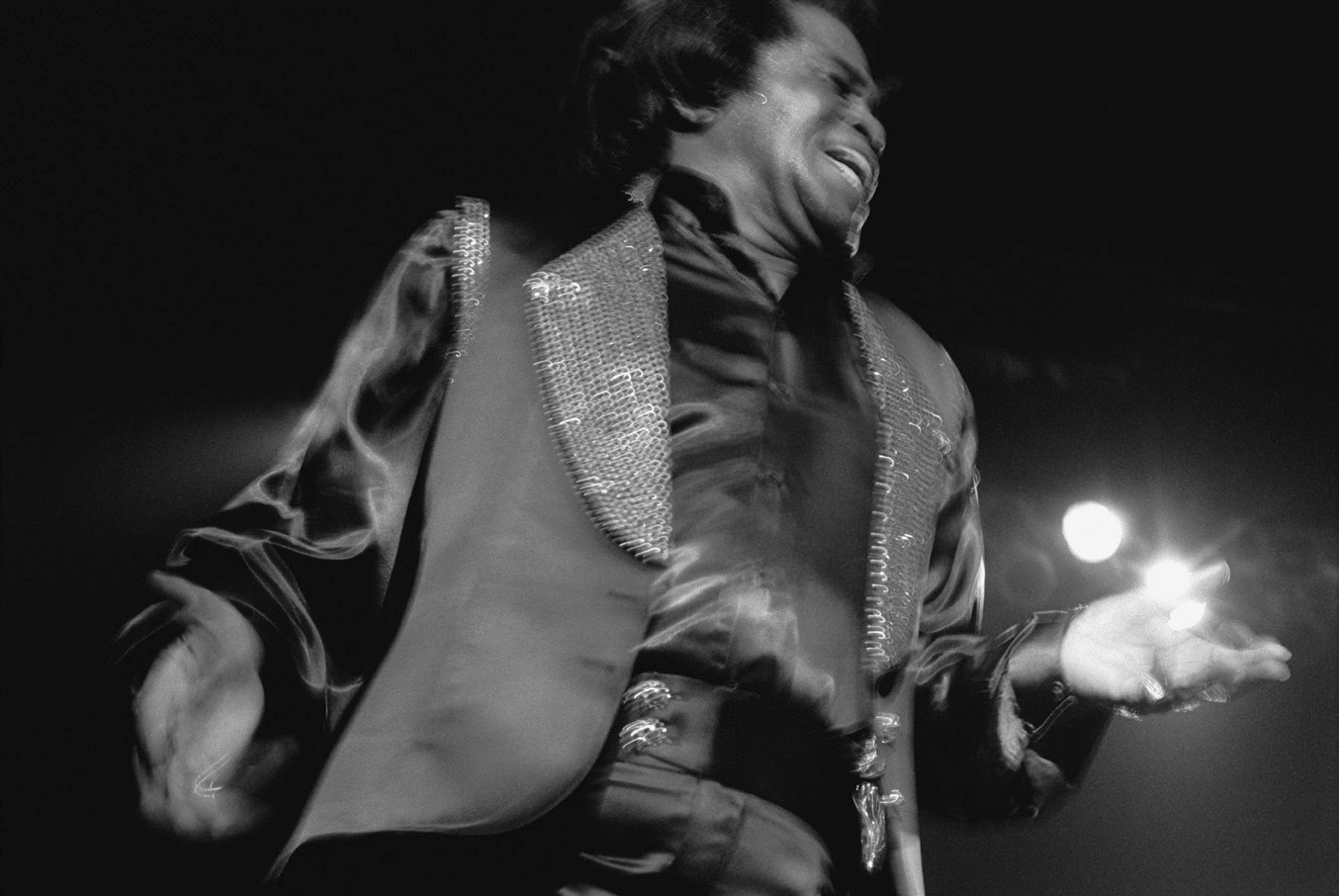

 photo: wade grayson from mississippi, united states · cc by-sa 3.0 ↗
Boogie Down Productions
Boogie Down Productions came together when the itinerant, self-taught KRS-One met DJ Scott La Rock, a social worker moonlighting as a producer, and the pair turned 1987's Criminal Minded into a stripped, gunmetal record that fused old-school reportage, James Brown break science, and the Jamaican dancehall toasting KRS grew up on into something new: hardcore rap with a syllabus attached. La Rock's murder just months after the album's release reset the group's mission almost overnight, pushing KRS-One toward the self-styled "edutainment" of By All Means Necessary and onward. Nearly every rapper who has since cast himself as a teacher, historian, or moral conscience over a hard beat is working a room KRS-One built.
the sound in question
1988
My PhilosophyBoogie Down Productions
walk the tributaries ↓
Grandmaster Flash and the Furious Five1980s · hip hop / old-school hip hop / electro
BDP came up worshipping the first wave of Bronx MCs and DJs, and their breakout single doesn't just imply the debt, it states it outright: "South Bronx" is a name-check history lesson that puts Grandmaster Flash, DJ Kool Herc, and Afrika Bambaataa in the lyrics as proof the borough invented the culture a rival crew was trying to claim credit for. The record's turntable scratches and stripped, bass-forward drum programming also carry over the older crew's foundational insistence that the beat itself, not just the rhyme, is the show.
listen: upstream & here
1982
The MessageGrandmaster Flash and the Furious Five
1986
South BronxBoogie Down Productions
listen forPlay "The Message," then "South Bronx." Listen for how both records use the neighborhood itself as the subject, concrete named streets and landmarks stacked up like evidence, and for the flat, declarative delivery each MC uses to make a borough's history sound like an indictment.
James Brown1960s–70s · Funk / Soul / Rhythm and blues
Criminal Minded's stripped, drum-forward sound sits squarely in the breakbeat tradition James Brown's rhythm sections created: sparse, one-chord vamps that gave DJs and producers exactly the raw loop material early hip-hop was built from. BDP's early records favor that same bare-bones, rhythm-first arrangement, with little melody to hide behind and a hard drum pocket carrying the voice.
listen: upstream & here
1970
Funky DrummerJames Brown
1987
9mm Goes BangBoogie Down Productions
listen forPlay "Funky Drummer," then "9mm Goes Bang." Listen for the shared philosophy of empty space, a groove that refuses to resolve, built almost entirely from drums and bass, leaving the drummer's fills or the rapper's voice to supply all the drama.
Yellowman1980s · Dancehall / Reggae
KRS-One grew up steeped in Jamaican sound-system culture, and Boogie Down Productions was one of the first American rap acts to put that inheritance on record without translating it: dub-style echo and delay, patois inflections, and DJ-style toasting cadences run through Criminal Minded's b-sides. Yellowman, dancehall's biggest global star just a few years earlier, represents the version of that tradition most likely to have reached a Bronx record collection by the mid-80s, rapid-fire and comic toasting laid over a stripped, bass-heavy riddim.
listen: upstream & here
1983
ZungguzungguguzungguzengYellowman
1986
The P Is FreeBoogie Down Productions
listen forPlay "Zungguzunguguzungguzeng," then "The P Is Free." Listen past the difference in language for the shared production instinct, deep dub echo washing over a skeletal drum-and-bass riddim, and for toasting's rhythmic, sing-song patter surfacing in KRS's own half-chanted asides.