walking upstream…
D'Angelo


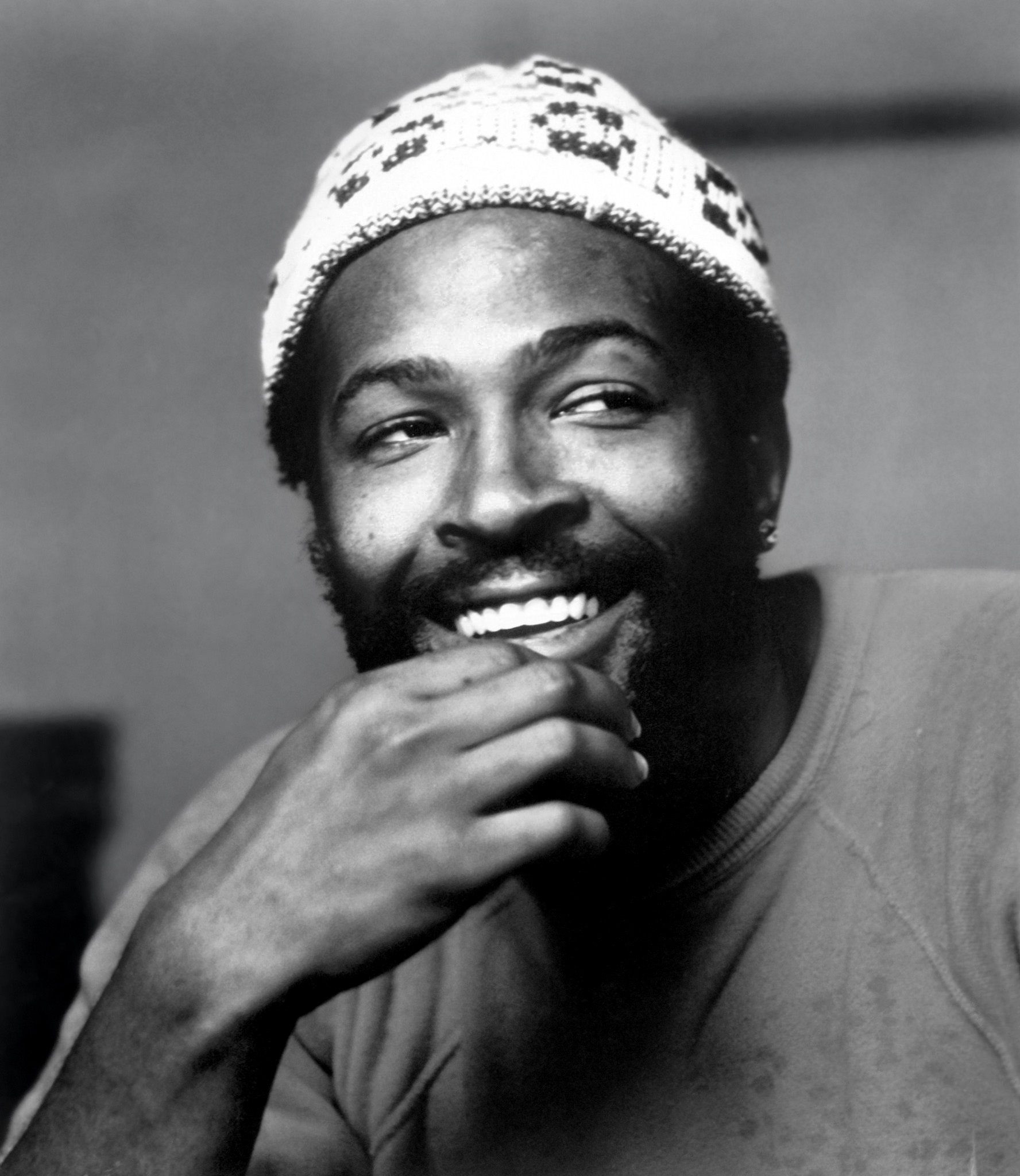
 photo: roquai · cc by-sa 3.0 ↗
D'Angelo
sourcesRolling Stone — "D'Angelo Is Holding Your Hand" (church upbringing, the Yoda listening sessions, Sly/Marvin comparison) · Rolling Stone — "The D'Angelo Tapes" (the Tramps jam and "star to shoot for" quote) · Okayplayer — "D'Angelo Finally Speaks On The Musical Influences For 'Black Messiah'" (I Wanna Be Your Lover, Thank You/Larry Graham quotes) · Robert Christgau — Consumer Guide · Billboard — "D'Angelo Covers Prince's 'She's Always In My Hair' Live at Spotify's Studios" (cover recording history)
Michael D'Angelo Archer grew up between two churches: his father's Baptist congregation, then — after he moved in with his mother — his grandfather's Pentecostal church in Powhatan, Virginia, where he first played. "That's the real stomp-down, Pentecostal, holiness church," he said. "Shoutin', speakin' in tongues and just fire. That's where I really grew." He carried that fire into secular music: 1995's Brown Sugar made him neo-soul's reluctant figurehead, and 2000's harder, murkier Voodoo followed marathon sessions the Electric Lady crew spent studying the elders they nicknamed "the Yodas." He then vanished from public life for fourteen years before 2014's Black Messiah, and died in October 2025 — a career spent translating that church fire into secular soul.
the sound in question
2000
Untitled (How Does It Feel)D'Angelo
walk the tributaries ↓
Prince1980s · Funk / Pop / R&B / Rock
D'Angelo was five when Prince's "I Wanna Be Your Lover" hit; his older brothers, awed that one man wrote, played, and sang everything on the record, told him so, and he learned the whole album note for note by ear. Years later, jamming with Prince onstage at Tramps in New York, he sat at the Rhodes while Prince pointed at his own symbol guitar, offering it to him — D'Angelo refused, too stunned to touch it. "That motherfucker, man," he said afterward. "He continues to be just the star to shoot for, creatively. I can't think of no one else who's had a bigger influence on me artistically."
listen: upstream & heresource: Rolling Stone — "The Second Coming of D'Angelo" (Prince origin story, sacred/sexual quote) ↗
1985
She's Always in My HairPrince
1997
She's Always In My HairD'Angelo
listen forPrince's original is spare and eerie: a drum-machine pulse, spectral guitar, his falsetto pitched between a whisper and a warning, tucked away as a 1985 B-side. D'Angelo's version — cut in 1997 for the Scream 2 soundtrack, then reprised live with the Vanguard in 2015 — thickens everything: a real band breathing under him, organ and Rhodes filling what the original left hollow, his voice dragging behind the beat instead of riding it. Same paranoid lyric about being watched, but where Prince sounds haunted, D'Angelo sounds like he's made peace with the ghost.
Sly and the Family Stone1960s-70s · Funk / Soul / Psychedelic rock / R&B
Critics reached for the same record to place Voodoo: Sly and the Family Stone's murky, paranoid There's a Riot Goin' On. Robert Christgau wrote that the album "signifies like a cross between lesser Tricky and Sly's Riot Goin' On," crediting "a feel for bass more disquieting than bootalicious," and named "The Line" — where a young Black man weighs the reasons he's ready to die — as its clearest evidence. D'Angelo agreed in his own words, calling Voodoo "purposefully difficult music" in the same breath as Sly Stone's.
listen: upstream & here
1971
Family AffairSly and the Family Stone
2000
The LineD'Angelo
listen for"Family Affair" rides a slack, almost-collapsing groove — a drum machine dragging under Sly Stone's murmured, half-buried vocal, the whole track sounding like it's underwater. "The Line" works the same low-lit, unhurried tension: Questlove's drums sit behind the beat rather than driving it, D'Angelo's voice recedes into the mix instead of announcing itself, and the lyric — a man deciding whether to pull a trigger — never resolves into either despair or defiance. Both songs make murk itself the subject, not a production choice layered on top.
Marvin Gaye1970s · Soul / R&B
Marvin Gaye anchored the 1998 leg of the Voodoo sessions' listening curriculum, the year Touré's Rolling Stone profile lists as dominated by "Gaye and George Clinton." Critics kept reaching for him too: Christgau dismissed "the Prince and Marvin stuff" as an obvious reference point, and Touré compared Voodoo's difficulty directly to Gaye's raw 1978 divorce album, Here, My Dear. D'Angelo has described applying Gaye's blend of the sacred and the sexual to his own music: "I see making love as a form of worship," he said — "that's the correct way to look at it to me."
listen: upstream & here
1967
Your Precious LoveMarvin Gaye
1996
Your Precious LoveD'Angelo
listen forGaye and Tammi Terrell's 1967 original is bright, close-harmonized soul — two voices trading the melody in tight, churchy call-and-response over a brisk Motown pulse. D'Angelo and Erykah Badu's 1996 cover slows the tempo to a crawl and swaps the brightness for smoke: his falsetto and her alto tangle instead of trade, breathing around each other rather than answering back and forth. It's the same devotional lyric, sung as hushed intimacy rather than a duet built for the radio.