walking upstream…
Chalino Sánchez
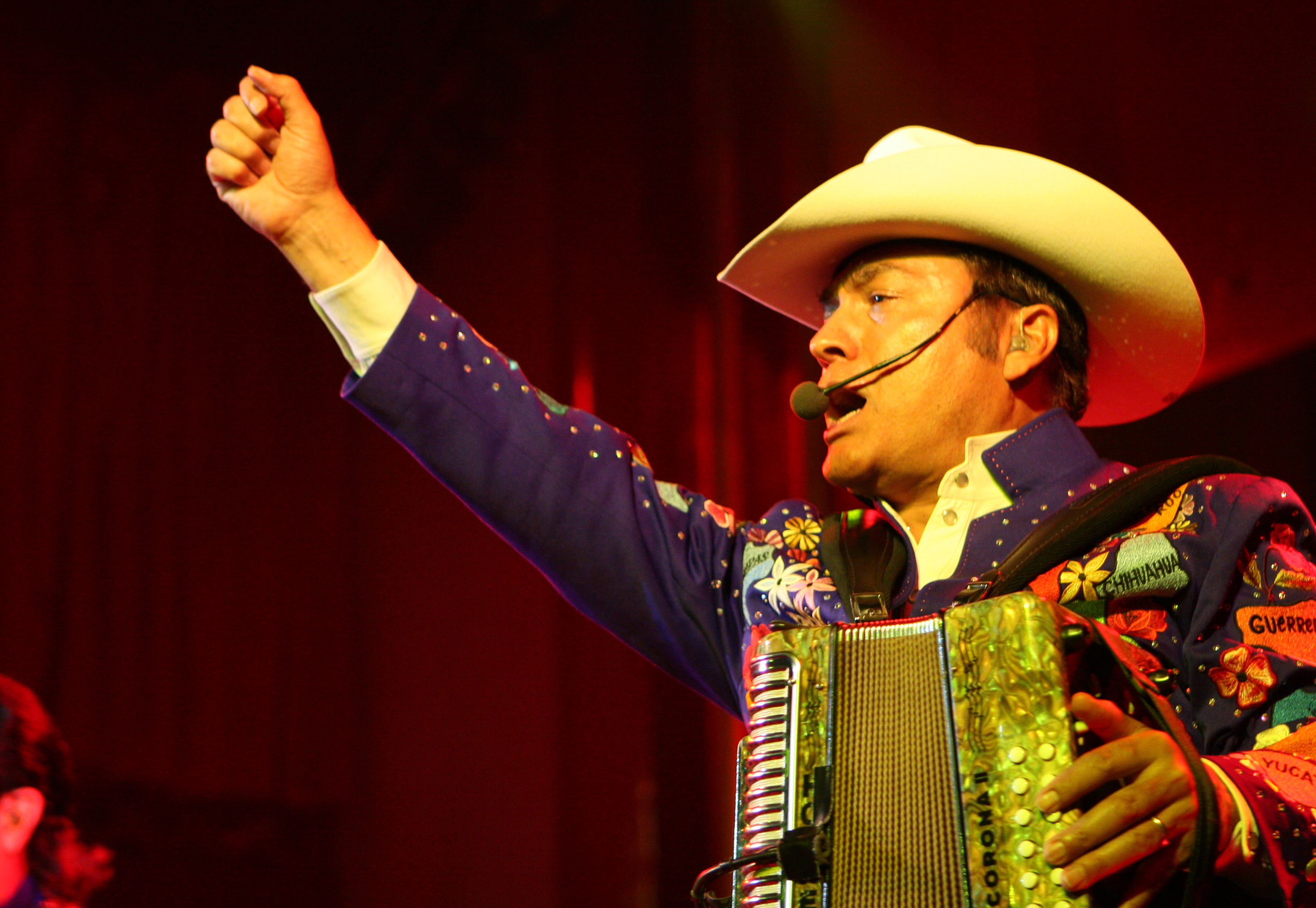
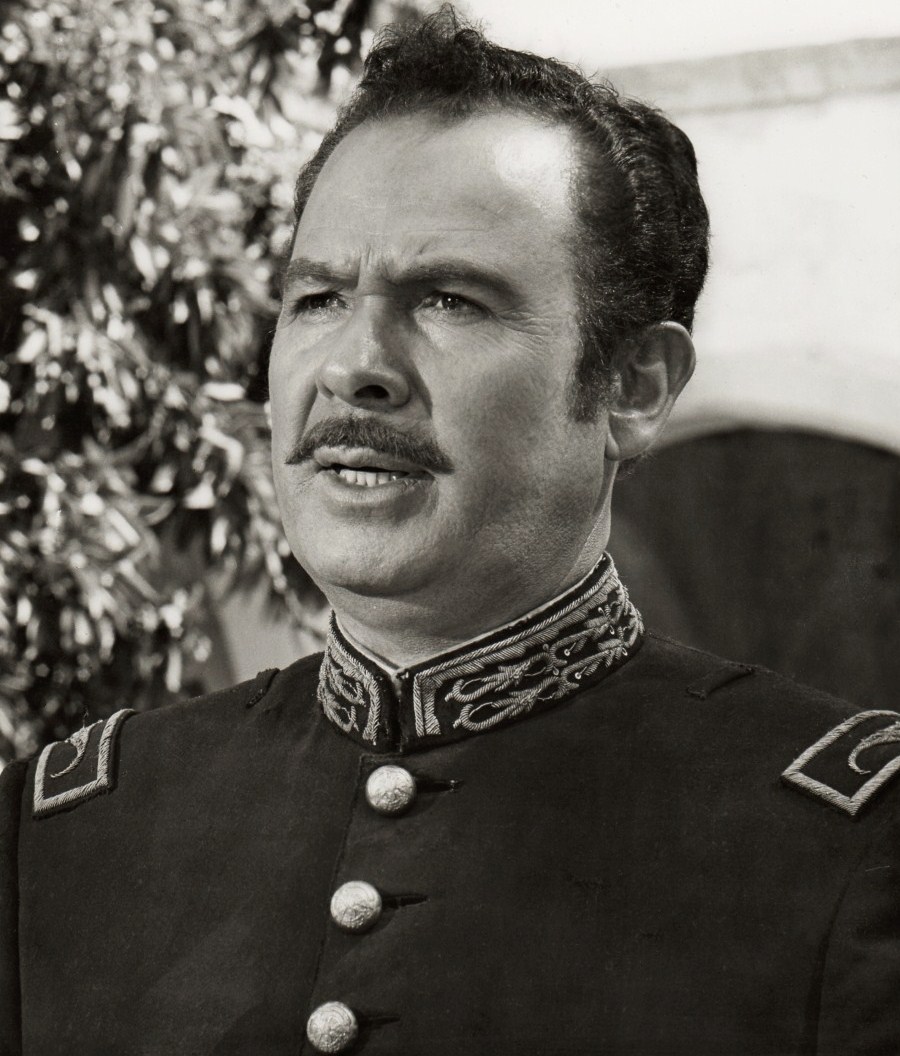
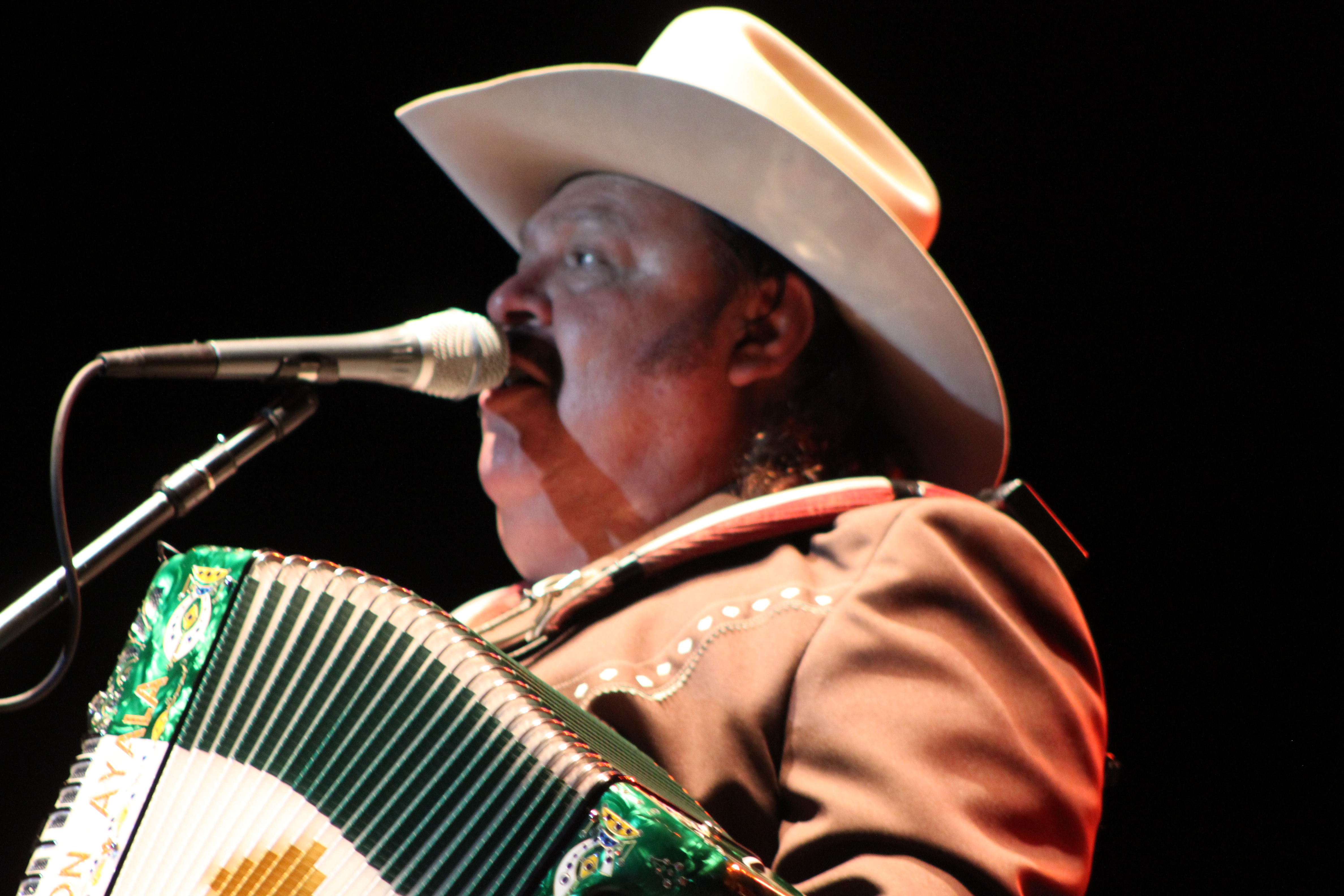
 photo: protoplasmakid · cc by-sa 4.0 ↗
Chalino Sánchez
sourcesWikipedia — Chalino Sánchez (birth, family, revenge killing, migration, 1987 recording sessions, singing style, death) · Sam Quinones — True Tales From Another Mexico (synopsis of Chalino's life, corroborating source) · Elijah Wald songblog — Contrabando y Traición (composer Ángel González, 1974 release, genre-founding significance) · Elijah Wald — Narcocorrido book page (Chalino as "dominant influence on the young West Coast" corridistas) · Billboard — The 75 Best Regional Mexican Acts of All Time (lineage listing Aguilar, Chalino, Los Tigres del Norte) · AllMusic — Ramón Ayala biography (Los Relámpagos del Norte formation and sound)
Rosalino "Chalino" Sánchez Félix grew up the youngest of eight children on a Sinaloa ranch called Las Flechas, and at fifteen he shot and killed a man who had raped his sister two years before. He fled to Los Angeles, washed dishes, sold cars, and in 1987 was introduced to studio owner Ángel Parra, who arranged fifteen commissioned corridos with the norteño group Los 4 De La Frontera — one copy per paying client, until reorders forced a run of 300 cassettes. He sang, untrained, in what he called his own "barking," the Sinaloan cadence and slang no major singer had used before. On May 16, 1992, hours after ripping up a death threat and finishing his set in Culiacán, he was found shot twice in the back of the head. The genre he left behind treats every killing as a name worth singing.
the sound in question
1992
Nieves de EneroChalino Sánchez
walk the tributaries ↓
Los Tigres del Norte1970s–90s · Norteño / Corrido / Regional Mexican
In 1971, Jorge Hernández of Los Tigres del Norte heard a Los Angeles mariachi singer perform a song about two drug runners; the band got permission, released it in 1974, and "Contrabando y Traición" became, in the words of narcocorrido historian Elijah Wald, a song "as cinematic" as the border trade itself had never been sung before. It is the genre's founding text — a decade before Chalino ever entered a studio. No surviving Chalino interview names the band directly, but Wald's own account of Chalino frames him plainly as their successor: the singer who "became the dominant influence on the young West Coast" corridistas working the same true-crime terrain Los Tigres had opened.
listen: upstream & heresource: Wikipedia — Los Tigres del Norte (band formation, narcocorrido genre history) ↗
1974
Contrabando y TraiciónLos Tigres del Norte
1987
Recordando a Armando SánchezChalino Sánchez
listen for"Contrabando y Traición" narrates its smuggler couple in the third person, a story told about people, complete with a betrayal-and-shootout plot arc that plays like a movie trailer — it spawned an actual film franchise. Chalino's "Recordando a Armando Sánchez," written for his own murdered brother, drops that narrative distance entirely: it's sung in the first person, without a plot twist to resolve, just a name and a grief. Same accordion-and-bajo-sexto pulse underneath both, but one is telling a story and the other is testifying.
Antonio Aguilar1960s–70s · Ranchera / Corrido / Mariachi
By the time Chalino was a child on the ranch at Las Flechas, Antonio Aguilar had already recorded over 150 albums and sold some 25 million records singing corridos like "Gabino Barrera" — cinematic ballads of outlaw heroes, delivered by a star billed as "El Charro de México" in full equestrian regalia. No interview survives of Chalino naming Aguilar, but this was the corrido as Sinaloa knew it: polished, moralizing, sung by a matinee idol. Chalino's own commissioned corridos, cut in a Los Angeles studio for cash from the men they were about, kept the outlaw subject and threw out everything else Aguilar had built around it.
listen: upstream & heresource: Wikipedia — Antonio Aguilar (career, discography, nicknames) ↗
1962
Gabino BarreraAntonio Aguilar
1987
Beto LópezChalino Sánchez
listen for"Gabino Barrera" tells its outlaw's story with a full mariachi arrangement and a narrator's rounded, theatrical phrasing — the outlaw as legend, framed for an audience. Chalino's "Beto López," one of the fifteen songs he cut on commission in 1987, uses the same corrido form to name a real local valiente over a bare norteño backing, sung flat, almost recited, like a police report set to a beat. Listen for how little the melody moves in Chalino's version compared to Aguilar's.
Ramón Ayala1970s–90s · Norteño / Corrido / Regional Mexican
In the early 1960s, Ramón Ayala teamed with singer Cornelio Reyna as Los Relámpagos del Norte, modernizing norteño with "driving polkas, corridos, and rancheras powered by Ayala's punchy button-accordion" — the sound that earned him the title "King of the Accordion." That accordion-and-bajo-sexto conjunto format, not banda's brass or mariachi's strings, was the instrumental vocabulary Los 4 De La Frontera were still working in when Ángel Parra sat Chalino down in front of a microphone in 1987. Chalino never cited Ayala by name, but he had no other instrumental tradition available to him — this was the sound in the room.
listen: upstream & heresource: Wikipedia — Ramón Ayala (birth, "King of the Accordion," Los Relámpagos del Norte) ↗
1965
Vengo a VerteRamón Ayala
1987
El SapoChalino Sánchez
listen for"Vengo a Verte" carries Ayala's ornamented, rolling accordion runs threading in and out of Reyna's vocal line — the instrument as a second singer. Chalino's "El Sapo," cut with Los 4 De La Frontera on those same three instruments, strips the accordion back to short, repeating figures that frame his voice rather than answer it; the conjunto is the same, but the accordion has stopped performing and started just keeping time.