walking upstream…
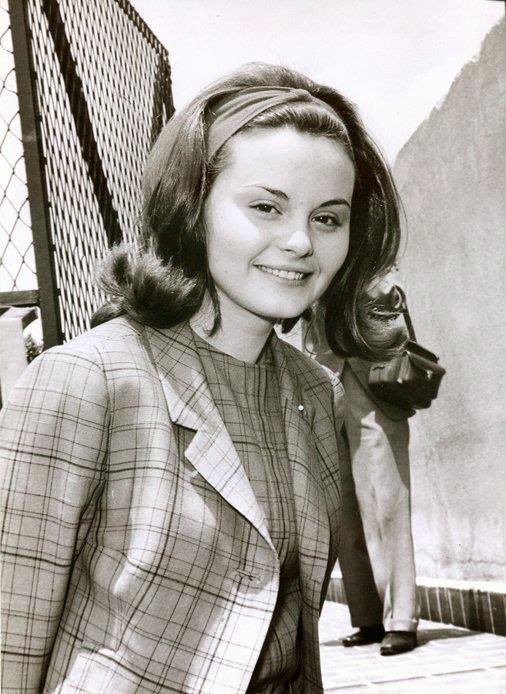
Jenni Rivera


sourcesBillboard — Jenni Rivera Billboard Q&A Videos · Billboard — Pedro Rivera Shares Crucial Moments in Chalino Sánchez's Career (Cintas Acuario, Jenni's early label role) · UCLA Chicano Studies Research Center — Jenni Rivera · AllMusic — Joyas Prestadas review (album framing and track/composer credits)
Jenni Rivera was already a real-estate agent and single mother in suburban Los Angeles when the sound of her own hobby caught up with her: waiting in her car to show a house, she heard herself on the radio. "It was simply my hobby to record music," she said later. "Nobody believed a single mother could be a recording artist... I wasn't fabricated, I was a real woman." Before that, she had learned the business at Cintas Acuario, the independent label her father Pedro Rivera ran out of Long Beach, registering songs and greeting songwriters years before she ever sang professionally herself. From that apprenticeship came a catalog of corridos and banda ballads blunt about heartbreak and a woman's right to fight back, earning her the title "La Diva de la Banda." She died in a plane crash in December 2012, near the height of her fame.
the sound in question
2009
La Gran SeñoraJenni Rivera
walk the tributaries ↓
Rocío Dúrcal1980s · Ranchera / Latin pop / Bolero
At a 2012 Billboard Latin Music Conference panel, Rivera named Rocío Dúrcal, alongside Isabel Pantoja, among the Mexican artists who shaped her sound long before her own career began. She made the debt tangible on 2011's all-covers "Joyas Prestadas," an album of songs, as AllMusic put it, she "first fell in love with while working as a record store cashier" -- among them Dúrcal's 1988 ballad "Como Tu Mujer," written for her by Marco Antonio Solís.
listen: upstream & heresource: El Heraldo de México — La canción que Marco Antonio Solís escribió para Rocío Dúrcal (Dúrcal as 'Como Tu Mujer' original artist) ↗
1988
Como Tu MujerRocío Dúrcal
2011
Como Tu MujerJenni Rivera
listen forCue Dúrcal's 1988 "Como Tu Mujer" next to Rivera's own version on "Joyas Prestadas": the melody and Marco Antonio Solís's aching turns of phrase are identical, but where Dúrcal rides a string-and-piano ballad arrangement, Rivera reroutes the same vocal line through a full banda's blaring horns and thumping tuba bassline -- the pop bolero rebuilt as a Sinaloan brass anthem.
Isabel Pantoja1980s · Copla / Flamenco / Latin pop
Isabel Pantoja was the second name Rivera gave at that same 2012 panel, and the debt runs through an actual recording: on "Joyas Prestadas" Rivera also cut "Así Fue," the Juan Gabriel ballad written in 1988 specifically for Pantoja as the centerpiece of the album he wrote for her, "Desde Andalucía" -- a song about their own unrequited romance that became one of his signature hits.
listen: upstream & heresource: POSTA México — Juan Gabriel y la historia detrás de 'Así fue', dedicada a Isabel Pantoja (Pantoja as 'Así Fue' original artist) ↗
1988
Así FueIsabel Pantoja
2011
Así FueJenni Rivera
listen forSet Pantoja's 1988 "Así Fue" against Rivera's cover on "Joyas Prestadas": Pantoja stays inside her copla training, all restrained vibrato and careful Spanish diction over Juan Gabriel's orchestral strings; Rivera pushes the same melody louder and rougher, swapping in a full banda's brass and pounding tambora for those strings, turning a Sevillian ballad of one-sided love into a Mexican-American declaration.
Chalino Sánchez1990s · Narcocorrido / Norteño / Regional Mexican
Chalino Sánchez was the biggest name to come out of Cintas Acuario, the small label Jenni's father Pedro Rivera ran out of Huntington Park -- and Jenni worked there herself in her earliest years, before she had a recording career of her own. "Jenni handled welcoming songwriters and registering songs for our publishing company," Pedro Rivera has said. Years later, dared by friends to break a vow never to sing again, she stepped onstage at the Farallon Nightclub and sang, in his honor, Sánchez's own "Nieves de Enero" -- the night that restarted her career.
listen: upstream & heresource: Billboard — Jenni Rivera's 'Mariposa de Barrio' ↗
1992
Nieves de EneroChalino Sánchez
1995
La ChacalosaJenni Rivera
listen forPlay Sánchez's "Nieves de Enero" back to back with Rivera's 1995 "La Chacalosa": both ride a lean accordion-and-bajo-sexto corrido groove and a flat, conversational delivery that never over-sings the drama, letting a tough first-person narrator do the talking plainly -- the same unadorned storytelling register Sánchez brought to Los Angeles's corrido underground, aimed here at a woman's outlaw pride instead of a smuggler's.