walking upstream…
Banda El Recodo

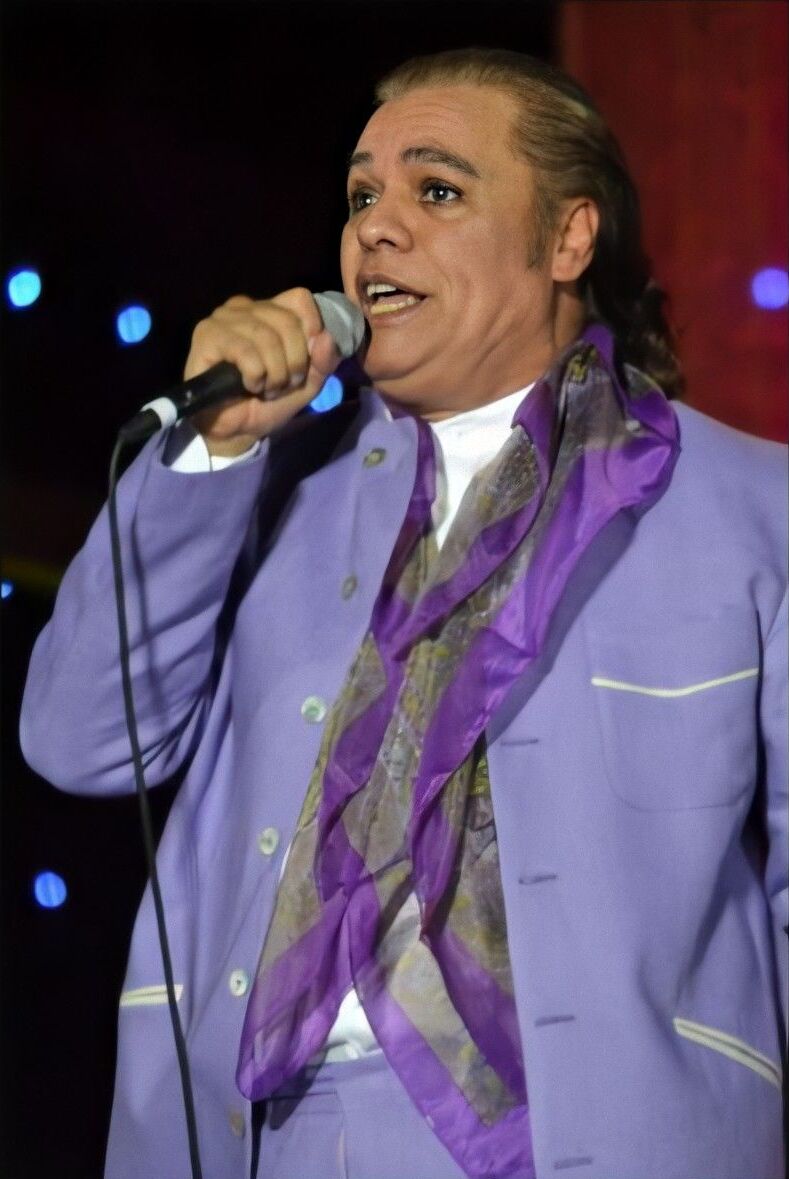
 photo: mundocun · cc by-sa 2.0 ↗
Banda El Recodo
In 1937, teenage Cruz Lizárraga put a down payment on a clarinet by selling the family pig, picked corn to cover the rest, and taught himself to play in secret — "with a slight sense of guilt and of pleasure," as his label later put it, because in provincial Sinaloa a musician's life still looked like barely one step from a bum's. A year later he named his own band after his hometown, El Recodo, building outward from the German-immigrant brass tradition that had settled Mexico's Pacific coast a century earlier into an 18-piece touring orchestra. In 1951, RCA Victor made El Recodo the first banda ever to cut a record; by the 1990s, under vocalist Julio Preciado, it had become the genre's dominant commercial engine. Eighty-some years and roughly 180 albums later, Sinaloans still call it la madre de todas las bandas — the mother of all bandas.
the sound in question
1999
Lo Mejor de Mi VidaBanda El Recodo
walk the tributaries ↓
José Alfredo Jiménez1950s-60s · Ranchera / Mariachi
By the 1950s, Jiménez — Mexico's defining ranchera and corrido songwriter — was folding the still-regional band into his own touring shows, and did something few bandleaders bothered with: a reference biography of the group notes he "always shared credits with them in recordings during the 1950s and 1960s" rather than burying them as anonymous backup. That partnership produced a full studio album, José Alfredo Jiménez canta al Recodo (1968), pairing his voice with the band's horn arrangements. Decades later, long after his death, El Recodo's 60th-anniversary record pulled his corrido about their own home port, "El Corrido de Mazatlán," back into rotation.
listen: upstream & heresource: Musician Guide — Banda el Recodo biography (Contemporary Musicians, by Brett Allan King; Fonovisa and Billboard quotes, José Alfredo Jiménez/Juan Gabriel relationship) ↗
1968
El Corrido de MazatlánJosé Alfredo Jiménez
1998
El Corrido de MazatlánBanda El Recodo
listen forOn the 1968 recording, Jiménez's plainspoken baritone sits right at the front of the mix, trading lines with El Recodo's horns almost like a conversation. Thirty years later, on 1998's Tengo una Ilusión, the band cut the same corrido on its own — his voice gone, the clarinets and trumpets now carrying the melody he used to sing, the tune long having outlived the songwriter who wrote it.
Juan Gabriel1980s · Ranchera / Latin pop / Bolero
Juan Gabriel was the other songwriter whose interest turned El Recodo from a hired hand into a name-brand accompanist — the same reference biography that credits Jiménez with sharing credits also lists Juan Gabriel among the touring "musical icons" who invited the band to back them. Decades on, El Recodo built whole records around his catalog: Tributo a Juan Gabriel (1996), timed to his 25th career anniversary, pulled "Mi Fracaso," "Caray" and "Se Me Olvidó Otra Vez" into the band's horn-heavy arranging style, and that same year's Desde el Cielo y Para Siempre folded in his ballad "Si Quieres."
listen: upstream & heresource: Musician Guide — Banda el Recodo biography (Contemporary Musicians, by Brett Allan King; Fonovisa and Billboard quotes, José Alfredo Jiménez/Juan Gabriel relationship) ↗
1982
Si QuieresJuan Gabriel
1996
Si QuieresBanda El Recodo
listen forJuan Gabriel's 1982 original rides almost entirely on his voice, an unhurried, conversational phrasing that lets the melody breathe over a spare arrangement. El Recodo's 1996 version keeps that same tune but hands it to the horn section: clarinets and trumpets carry the vocal line in unison, the tambora's marching pulse turning a quiet declaration of love into something built for a room to sing along to.