walking upstream…
Adele


Adele Laurie Blue Adkins grew up in Tottenham and West Norwood in London, and graduated from the BRIT School before a demo posted online led to a record deal and her 2008 debut '19,' a hushed, guitar-and-piano collection of heartbreak songs. Her 2011 follow-up '21' turned that confessional soul into a global phenomenon, its power-belted breakup anthems making her one of the defining vocalists of the 2010s. Built on a resonant contralto and an old-fashioned faith in the plainly sung sad song, her records reconnected mainstream pop with the torch-ballad and retro-soul traditions she grew up loving.
the sound in question
2010
Rolling in the DeepAdele
walk the tributaries ↓
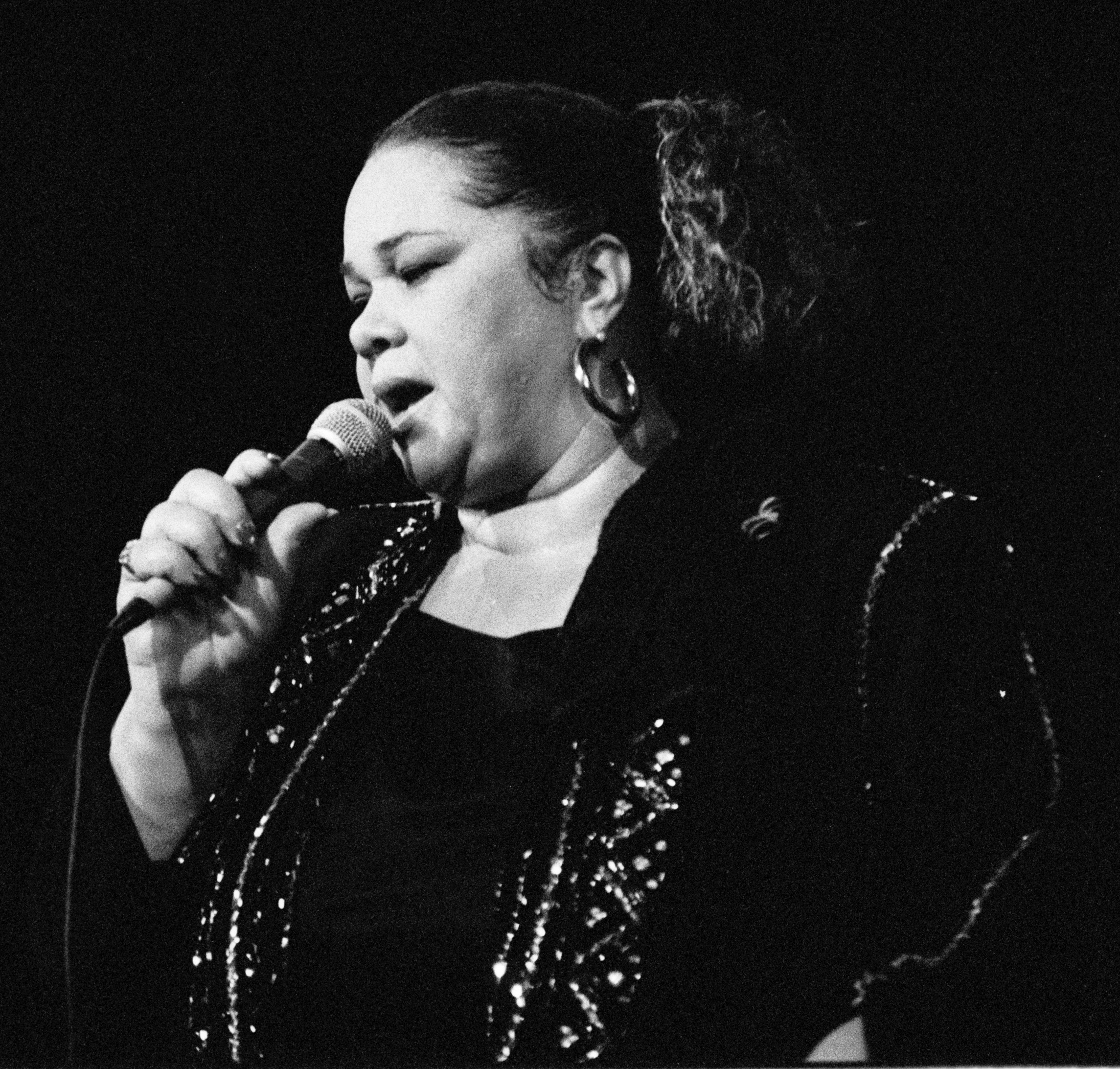
Etta James1960s · Blues / R&B / Soul
Adele has repeatedly named Etta James as a formative voice she discovered as a teenager, crediting James's blues-rooted phrasing and unguarded torch singing as a model for her own approach to the sad song, and she performed James material live early in her career.
listen: upstream & here
1960
At LastEtta James
2008
Make You Feel My LoveAdele
listen forPut James's 'At Last' next to Adele's 'Make You Feel My Love' — both hang on a single voice riding out over a slow, spare backing, bending and holding notes so that the raw grain of the vocal, not the arrangement, carries the ache.
Amy Winehouse2000s · Soul / Jazz / R&B
Adele has said Amy Winehouse's debut album 'Frank' inspired her to pick up a guitar and pursue music, and the two are often placed together as products of the same mid-2000s wave of British singers reviving confessional, jazz- and soul-inflected songwriting.
listen: upstream & here
2006
Back to BlackAmy Winehouse
2008
Chasing PavementsAdele
listen forCue Winehouse's 'Back to Black' before Adele's 'Chasing Pavements' — both set a plainly worded heartbreak against a retro, girl-group-style backing and a conversational, slightly weary vocal that treats a private breakup as the whole subject of the record.
Dusty Springfield1960s · Pop / Blue-eyed soul / Pop soul
Adele has cited Dusty Springfield among her influences, drawing on Springfield's model of a British singer channeling American soul into big, dramatically staged pop ballads sung with restraint until the emotional peak.
listen: upstream & here
1966
You Don't Have to Say You Love MeDusty Springfield
2011
Someone Like YouAdele
listen forPlay Springfield's 'You Don't Have to Say You Love Me' before Adele's 'Someone Like You' — both build from a quiet, near-spoken opening into a huge, aching chorus, holding the voice back so the swell lands harder when it finally arrives.