walking upstream…
Conan Gray


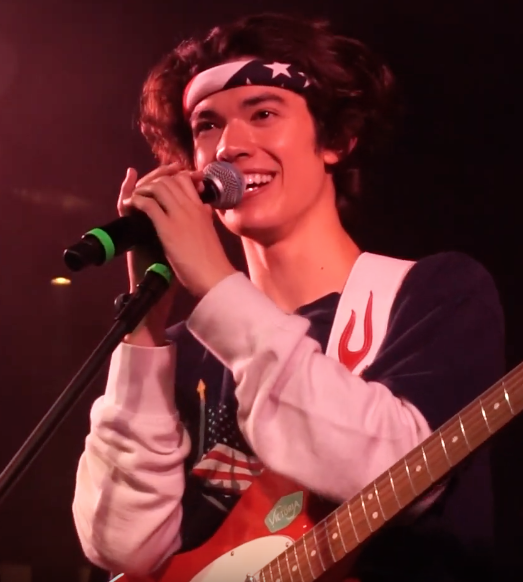 photo: lucy films · cc by 3.0 ↗
Conan Gray
Conan Gray turned a bedroom-pop YouTube channel into one of the decade's most direct confessional songbooks, translating suburban Texas adolescence — bullying, unrequited crushes, watching friends pair off — into plainspoken, hook-driven pop. Breakthrough singles "Heather" and "Maniac" (2018–2019) established his voice: diaristic lyrics delivered with theatrical, near-tearful sincerity over productions that split the difference between bedroom pop and arena-ready choruses. Kid Krow (2020) and Superache (2022) pushed the sound toward glossy 80s synth-pop and, on the more recent Found Heaven and Wishbone, into country-tinged balladry, while keeping the same unguarded first-person voice.
the sound in question
2019
ManiacConan Gray
walk the tributaries ↓
Taylor Swift2010s-20s · Pop / Country pop / Singer-songwriter
Gray has called Swift his songwriting "icon" and said flatly that she "raised him" as both a writer and a person — he's tracked her career since he was nine years old, and a supportive note (plus a gifted cardigan) from Swift after Kid Krow's release left him overwhelmed.
listen: upstream & heresource: The Forty-Five ↗
2008
FifteenTaylor Swift
2018
HeatherConan Gray
listen forThe move Gray borrowed most directly: burying a wrecked, specific emotional confession inside a deceptively bright, singalong melody — the same sleight of hand Swift used on early narrative songs like "Fifteen," where the sunniest hook carries the saddest lyric.
Lorde2010s · Alternative pop / Electropop
Gray has described first hearing Lorde's Pure Heroine as "a cataclysmic experience" — the first pop record he'd encountered that was about ordinary suburban teenage life rather than partying, and the first time a lyric described something he actually recognized from his own life.
listen: upstream & heresource: The Forty-Five ↗
2013
400 LuxLorde
2020
Little LeagueConan Gray
listen forLorde's hushed, unglamorous scene-setting — specific, almost mundane suburban detail (car rides, boredom, small towns) set against spare, atmospheric production — is the direct model behind Gray's own nostalgia writing.
Adele2010s · Pop / Soul / Pop soul
Gray has said Adele's debut album 19, which he heard around age 12, was "the first person that kind of opened me up to songwriting" — the record that first showed him a song could hold a real, relatable emotion rather than just being, in his words, "jingles."
listen: upstream & heresource: GRAMMY.com ↗
2008
Chasing PavementsAdele
2022
Family LineConan Gray
listen forThe raw, unadorned vocal-forward balladry Adele established on 19 — where the arrangement steps back and lets a plainly sung emotional admission carry the whole song — resurfaces in Gray's own family-focused confessional ballads.