walking upstream…
Lorde


sourcesWikipedia — Lorde · NME — Lorde · Stereogum — Watch Lorde And Jack Antonoff Cover Paul Simon At Outside Lands (backs the Loveless sample and live cover) · Billboard — Lorde Reveals 'Green Light' Inspired by Florence and the Machine (backs the Rookie podcast quote) · Rolling Stone — Lorde's Teenage Dream (backs early bio material)
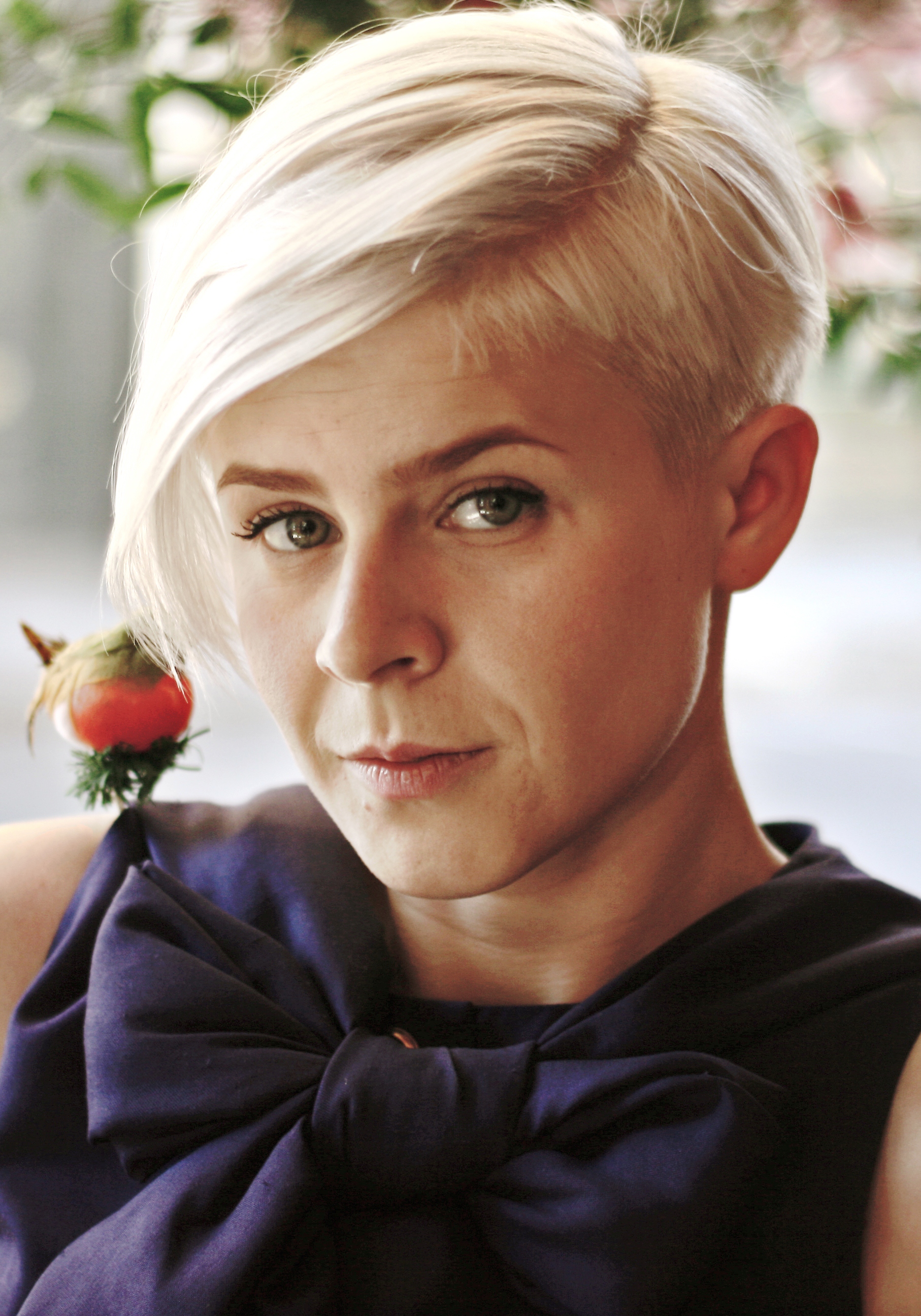
In 2012, a New Zealand talent scout heard a 12-year-old alto voice cut through a middle-school talent show and signed the singer who would call herself Lorde — born Ella Yelich-O'Connor, raised in the Auckland suburb of Devonport. Pure Heroine (2013), written from just outside the celebrity world she'd suddenly entered, made "Royals" a global refusal of luxury signifiers, its writer fascinated less by wealth itself than by "the concept of old money." Melodrama (2017) rebuilt that minimalism into synth-pop scaled for arenas, written through a breakup she called "a marbled experience" — freedom and grief trading places within the same afternoon. Across changing producers she has stayed the credited architect of her own sound: "I'm the nucleus of what's happening."
the sound in question
2017
Green LightLorde
walk the tributaries ↓
Paul Simon1960s–80s · Folk rock / Pop / World music
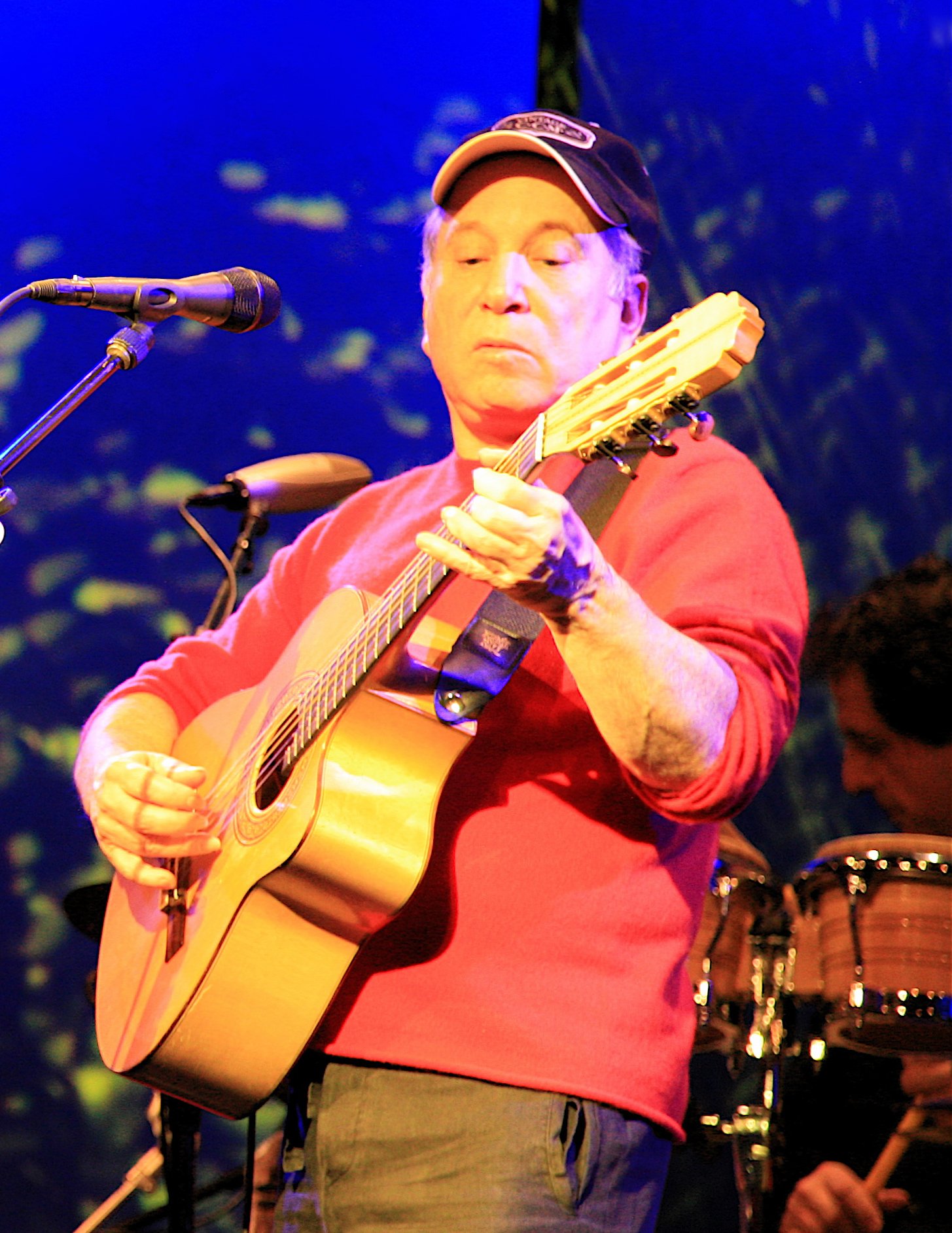
At Coachella in 2017, Lorde ran through the songwriters she still hoped to become, thumping the table on each name: "I want to be Paul Simon... I want to be Leonard Cohen... I want to be Joni... Fucking... Mitchell. And that takes time." Simon led that list for a reason: during the Melodrama sessions she deliberately swapped new music for his catalogue, telling NME how revelatory it felt to sit with his songs on headphones, "schooled in the art of writing a perfect song." Months later, she and producer Jack Antonoff performed his "Me and Julio Down by the Schoolyard" live, the tribute made physical.
listen: upstream & heresource: The Guardian — 'I want to be Leonard Cohen. I want to be Joni Mitchell' (backs the Paul Simon aspiration quote, the Florence + The Machine corroboration, and breakup/bio quotes) ↗
1986
GracelandPaul Simon
2017
Hard Feelings/LovelessLorde
listen forPlay Graceland's title track, then drop the needle on "Hard Feelings/Loveless": the second half opens with Simon's own voice — sampled, as Lorde has said, from an old documentary — asking "What is this tape?" before the song answers him with a full arrangement, the same hushed-aside-into-crescendo move Simon works across Graceland's spoken interludes and rambling verses. Both records trust one plainspoken voice to carry as much weight as the music behind it.
Robyn2000s–10s · Electropop / Synth-pop / Dance-pop / Pop
In May 2015, days into writing what would become Melodrama, Lorde posted a long Tumblr essay asking herself an impossible question: which song would she send into space to live forever? "I thought about it for a while, thought about Talking Heads and Fleetwood Mac and Nina Simone, but the song that came out of my mouth was 'Dancing on My Own' by Robyn." Outlets later reported a framed photo of the Swedish singer watching over the Melodrama sessions — a detail Lorde herself never confirmed, but the essay alone marks the album's true patron saint.
listen: upstream & heresource: Rolling Stone — Lorde Offers Album Update, Praises Robyn (backs the Tumblr essay quote) ↗
2010
Dancing On My OwnRobyn
2017
SupercutLorde
listen forSet "Dancing On My Own" against "Supercut" and the kinship is in the tempo: both push a heartbroken lyric through a bright, four-on-the-floor pulse, letting the beat outrun the sadness in the words. Robyn sings from inside the club, replaying a breakup in real time as she dances alone; Lorde cycles through a relationship's highlight reel the same way, over a chorus built for a floor, not a pillow — melancholy engineered to move a body before it registers as heartbreak.
Florence + The Machine2010s · Art rock / Baroque pop / Indie rock
On Tavi Gevinson's Rookie podcast in 2017, Lorde played a phone recording titled "Very First Green Light" and explained the bridge's odd, key-shifting piano line: "Her player did this big, kind of jangly movement with her hands on the piano, and it was literally the physicality of that movement that became the way Jack played that." The "her" was Florence Welch's keyboardist, watched live at a Brooklyn gig with producer Jack Antonoff the night before. The Guardian's Tom Lamont, reporting separately from an in-person interview, confirmed the same story: a joyful, "British" way of pounding the keys that became "Green Light"'s defining riff.
listen: upstream & heresource: The Guardian — 'I want to be Leonard Cohen. I want to be Joni Mitchell' (backs the Paul Simon aspiration quote, the Florence + The Machine corroboration, and breakup/bio quotes) ↗
2011
Shake It OutFlorence + The Machine
2017
Green LightLorde
listen forCue up "Shake It Out" and listen to the pounding, full-handed weight Florence Welch's band puts into the chords under the chorus, physical and almost too big for the song. "Green Light" borrows exactly that attack for its bridge: a hammered, ascending piano figure that wrenches the song into a new key and a different gear, the pivot from bruised verse into euphoric, arms-up release. Same gesture, translated from a Brooklyn stage into a pop chorus built for arenas.