walking upstream…
Robyn


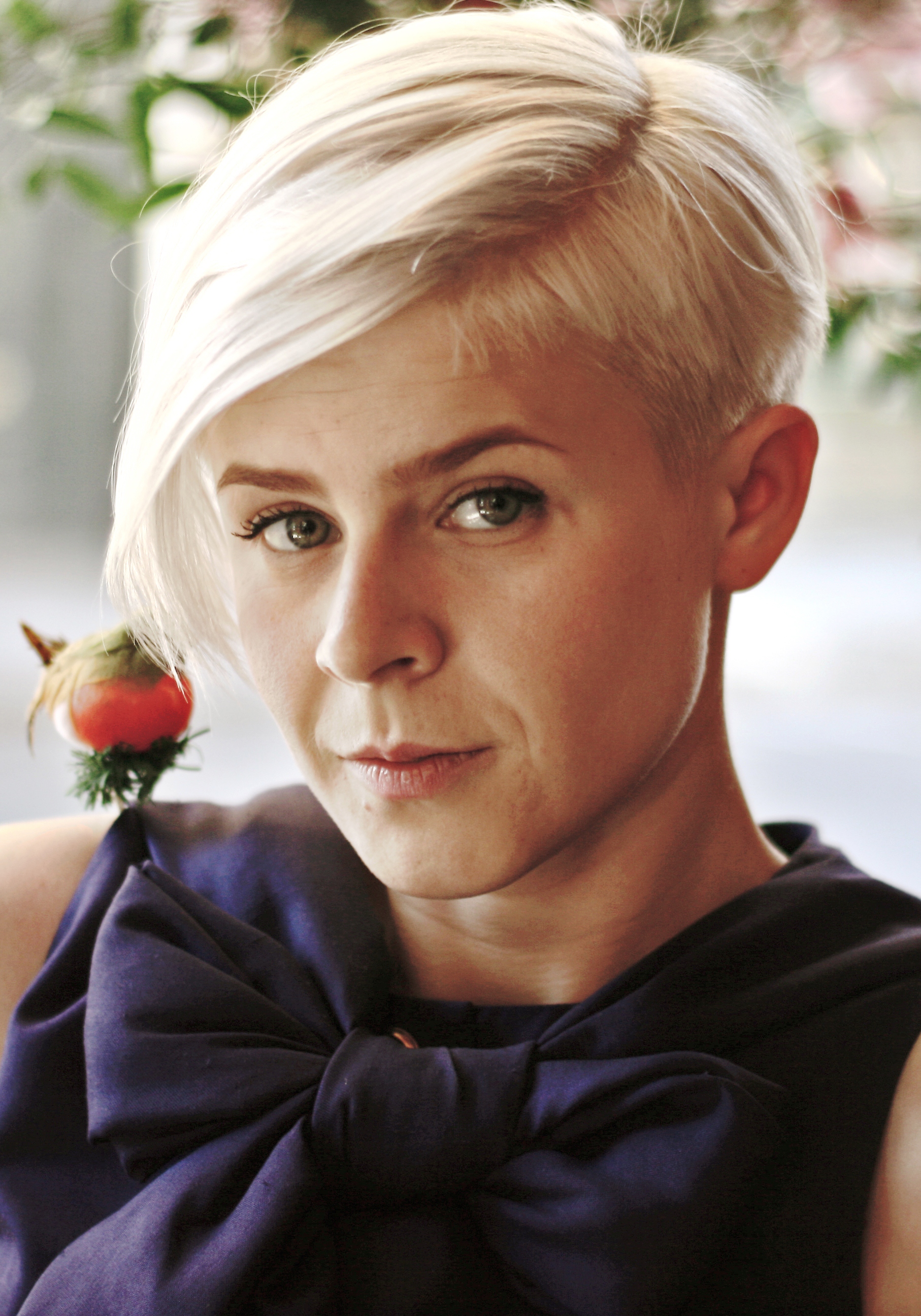
sourcesWikipedia — Robyn (birth, career pivot from teen pop to electro-pop) · NPR — Robyn's first post-parenthood album is a manifesto on sensuality (Dirty Mind as songwriting template) · Vice — We Spoke to Neneh Cherry and Robyn About Their Collaboration (Raw Like Sushi memory; Out of the Black backstory) · Grammy.com — How Robyn's "Dancing On My Own" Became An All-Time Classic (legacy
Robin Miriam Carlsson was born 12 June 1979 in Stockholm, and grew up touring with her parents' independent theatre group, absorbing whatever the cast played on the bus — Aretha Franklin, Jimi Hendrix, David Bowie's "Heroes" through headphones somewhere in Europe. She debuted as a teen pop-R&B singer in the 1990s but chafed against her major label's expectations; by 2005 she had broken from it, founded her own label, and released a self-titled album that traded polish for stark, experimental electro-pop. "Dancing On My Own," from 2010's Body Talk, became that reinvention's high point — a song Lorde once called "perfect" line by line, and one critics credit with clearing room for Carly Rae Jepsen and Charli XCX. Robyn's method was set by then: treat heartbreak as a rhythm section, not a ballad.
the sound in question
2010
Dancing On My OwnRobyn
walk the tributaries ↓
Prince1980s · Funk / Pop / R&B / Rock
Robyn has one songwriting test she has described using for years: would Prince approve? Talking through "Dancing On My Own" at a Red Bull Music Academy session, she remembered writing its hook with him in mind: "I always try to write a song that I feel like maybe Prince could like. And I think he could have liked, 'I keep dancing on–'" It isn't tribute; it's a working habit, the same one she names when she calls his guitar playing the only one she has ever listened to with real intensity.
listen: upstream & heresource: Red Bull Music Academy — Robyn Lecture (Prince as songwriting benchmark; the Cloudbusting/Be Mine exchange; Neneh Cherry as formative influence) ↗
1980
Dirty MindPrince
2010
Dancing On My OwnRobyn
listen forPlay "Dirty Mind"'s title track against "Dancing On My Own" and listen for the same move: a plain, insistent riff repeated almost past the point of comfort, carrying blunt, unguarded lyrics with no chorus to hide behind. Robyn named this the specific Prince mode she reaches for — "a kind of pop song that's based on classic guitar riffs... a song that Prince wrote over and over again, but especially on Dirty Mind," she told NPR. Where his version struts, hers turns that same bareness toward heartbreak on a dance floor.
Neneh Cherry1980s–90s · Hip hop / Post-punk / Trip hop / Dance
Robyn was ten, spending a summer at a friend's country house, when a record changed what she thought pop could sound like: "the only thing we did was play poker and listen to 'Raw Like Sushi,'" she told Vice. Neneh Cherry, Swedish and unclassifiable, showed her hip-hop and pop could share a body. Decades later Cherry needed a voice on "Out of the Black," and her producer, Kieran Hebden of Four Tet, made the call: "I think I can really hear Robyn's voice on this track." Cherry later said what Robyn brought felt like "the bit missing in the spine that was going to keep the back straight."
listen: upstream & heresource: Red Bull Music Academy — Robyn Lecture (Prince as songwriting benchmark; the Cloudbusting/Be Mine exchange; Neneh Cherry as formative influence) ↗
1989
ManchildNeneh Cherry
2018
Out of the BlackRobyn
listen for"Manchild" rides a moody, off-kilter bassline under Cherry's half-sung, half-spoken delivery — lyrics phrased like conversation rather than performance. Listen for that same conversational pitch in Robyn's verse on "Out of the Black," produced by Four Tet's Kieran Hebden: her voice enters low and plainspoken, trading lines with Cherry's instead of soaring over the track's skittering electronic pulse. Two artists, one phrasing habit, nearly thirty years apart.
Kate Bush1980s · Art pop / Progressive pop / Alternative rock
When Robyn walked through the demo of "Be Mine" at a Red Bull Music Academy session, her interviewer guessed its source before she could name it: "Was it the Kate Bush 'Cloudbusting' influence?" Robyn's answer was one word: "Yeah." She swapped the song's original guitar for strings, but the debt stayed on record. Dazed's recap of a later Instagram Q&A notes she "credited her Hounds of Love and The Sensual World albums as huge influences on her current form" — a childhood favorite she still measures new work against.
listen: upstream & heresource: Dazed — Seven things we learned from Robyn's Ask Me Anything on Instagram (Kate Bush as major inspiration) ↗
1985
CloudbustingKate Bush
2005
Be Mine!Robyn
listen for"Cloudbusting" builds its drama from one device: a driving string line pushed hard against a simple, insistent drum pattern, Bush's voice riding on top of it rather than leading. Robyn scrapped her original guitar demo of "Be Mine!" for exactly that pairing — strings, bass, and drums — chasing the same push-pull between orchestral urgency and machine-like rhythm. Listen for the strings doing the emotional work in both, while the beat underneath just keeps walking forward.