walking upstream…
Amy Winehouse
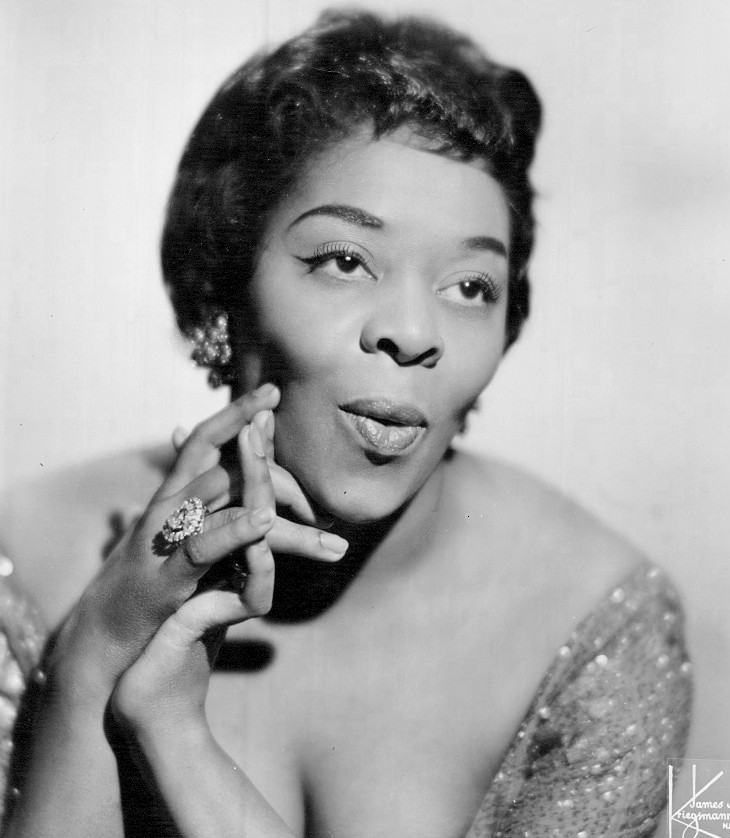


 photo: paul o'mara · cc by 2.0 ↗
Amy Winehouse
In the Winehouse house in Southgate, north London, two record collections argued for her ear: her mother Janis played James Taylor and Carole King, while her father Mitch and grandmother Cynthia filled the flat with Sarah Vaughan, Ella Fitzgerald, and Dinah Washington. At fourteen or fifteen, she wandered into her brother's room, heard an unfamiliar voice, and asked who it was. "It's Ray Charles," he told her; she listened to nothing else for three months. Otis Redding followed soon after, opening a door to soul and gospel she never closed. "I just sing and write reflecting everything I've ever heard," she said in 2004, "the people I listen to are predominantly black." Frank (2003) and Back to Black (2006) turned that inheritance into five Grammys and a soul revival; she died in 2011, twenty-seven, having made 1960s heartbreak sound like it had just happened to her.
the sound in question
2006
RehabAmy Winehouse
walk the tributaries ↓
Dinah Washington1950s · Jazz / Blues / R&B / Traditional pop
Amy Winehouse dated her whole vocal education to one record her father played at home: "I learned to sing from Dinah Washington," she said. She meant something specific, not imitation but ownership, the way a standard could stop belonging to anyone else once Washington had finished with it. It's why she refused to touch Washington's own songbook directly: "I don't do Dinah songs because she made them her own," she said. "It would be a bit like slitting your own throat really, pointless." She built her own catalogue on the same principle instead.
listen: upstream & heresource: Classic Album Sundays — Amy Winehouse's Top Five Albums as a Child (Janis Winehouse interview; Dinah Washington, Ella Fitzgerald, Thelonious Monk childhood exposure) ↗
1959
What a Diff'rence a Day MakesDinah Washington
2006
Love Is a Losing GameAmy Winehouse
listen forOn "What a Diff'rence a Day Makes," Washington barely ornaments the melody, letting the word "day" sag half a beat behind the band, as if she's still deciding whether to believe her own good luck. Winehouse's "Love Is a Losing Game" works the same trick in reverse: a spare guitar-and-strings arrangement gives her voice nowhere to hide, and she under-sings the title phrase instead of building it into a note. Both performances get their power from what the singer withholds, not what she adds.
The Shangri-Las1960s · Girl group / Pop / Rock and roll
Before Back to Black had a single track finished, producer Mark Ronson sat down with Winehouse just to find out what she liked. "She said she liked to go out to bars and clubs and play snooker with her boyfriend and listen to the Shangri-Las," he recalled, and that was the tell he built the album around. Winehouse's own case for the group was blunt: "I love the drama, I love the atmosphere, I love the sound effects," she said. The devotion outlasted the studio: once the record was out, she'd regularly swap her own bridge onstage for the Shangri-Las' "Remember (Walking in the Sand)" instead.
listen: upstream & heresource: Far Out Magazine — How the Shangri-Las shaped Amy Winehouse (Mark Ronson and Amy Winehouse quotes on the group's influence on Back to Black) ↗
1964
Remember (Walking in the Sand)The Shangri-Las
2006
Back to BlackAmy Winehouse
listen for"Remember (Walking in the Sand)" opens with crashing surf and gulls before its teenage narrator breaks into a spoken-word confession mid-song, melodrama staged as sound design. Play "Back to Black" next to it: no seagulls, but the same theatrical instinct survives in what the music site Far Out Magazine called "the doo-wop piano of the intro," and in horns that hit like punctuation on every chorus. It's the production template Winehouse loved enough to sing over live, swapping her own bridge for the Shangri-Las' every night on tour.
Otis Redding1960s · Soul / R&B
In a 2006 interview that surfaced only after her death in 2011, dug up by the British station Smooth Radio, Winehouse recalled that she hadn't given soul music serious thought until she heard Otis Redding at fourteen or fifteen, and that the discovery pulled gospel music in right behind it. That single afternoon reoriented her whole artistic direction, from a teenager raised on Carole King into a devotee of Stax horns and Southern-soul testifying that never let go.
listen: upstream & heresource: Smooth Radio — The voices that influenced Amy Winehouse (Dinah Washington and Otis Redding quotes; Ray Charles anecdote) ↗
1966
Try a Little TendernessOtis Redding
2006
You Know I'm No GoodAmy Winehouse
listen for"Try a Little Tenderness" builds from a murmured verse into Redding tearing the final chorus into a shout, horns surging to match him bar for bar. "You Know I'm No Good" runs a smaller version of the same arc: Winehouse's voice thins to a near-whisper on the verses, then roughens into a rasp exactly where the horns punch in behind her, the same restraint-then-rupture Redding built a career on, compressed into a three-minute pop single.