walking upstream…
Salt-N-Pepa
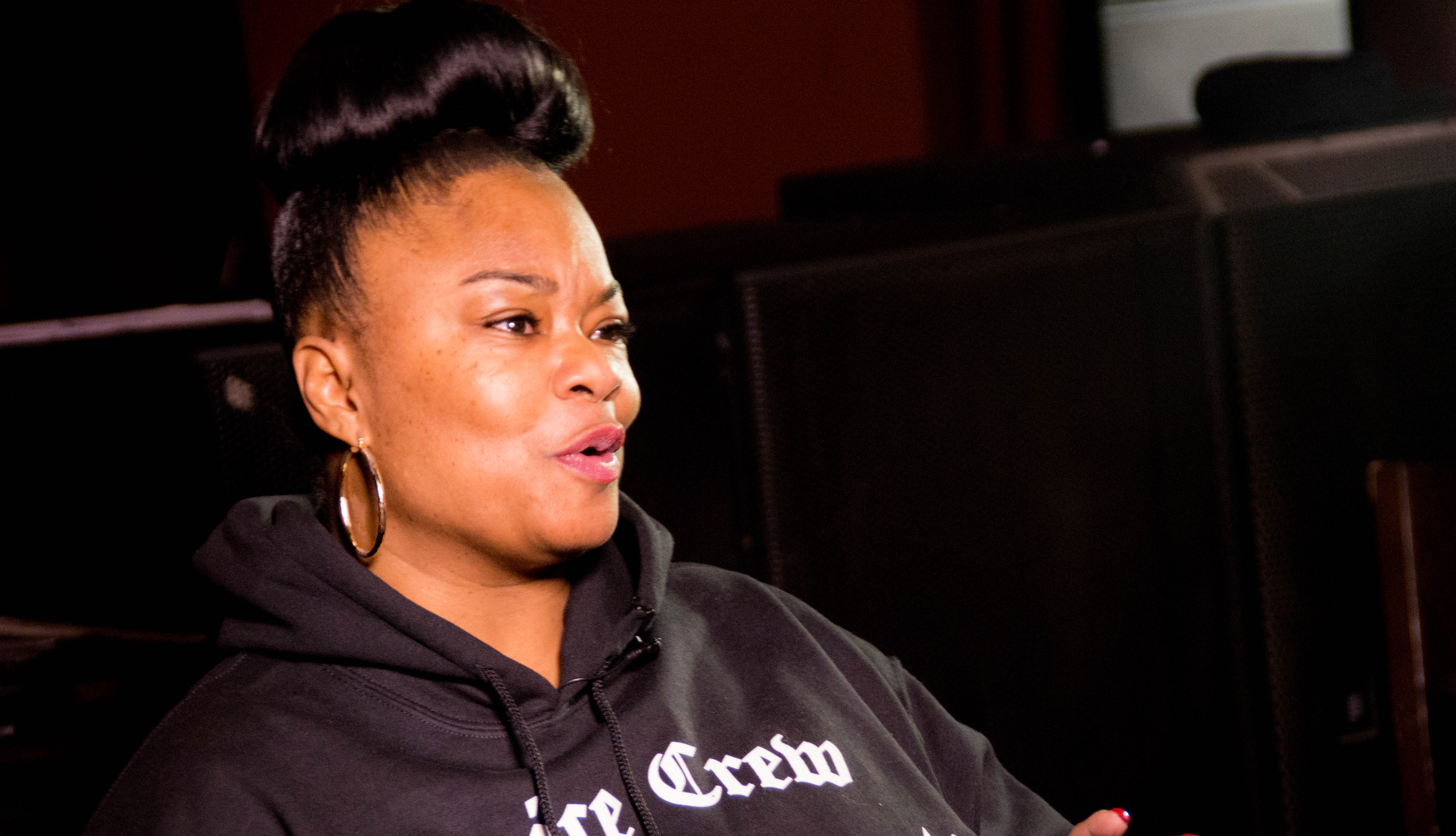

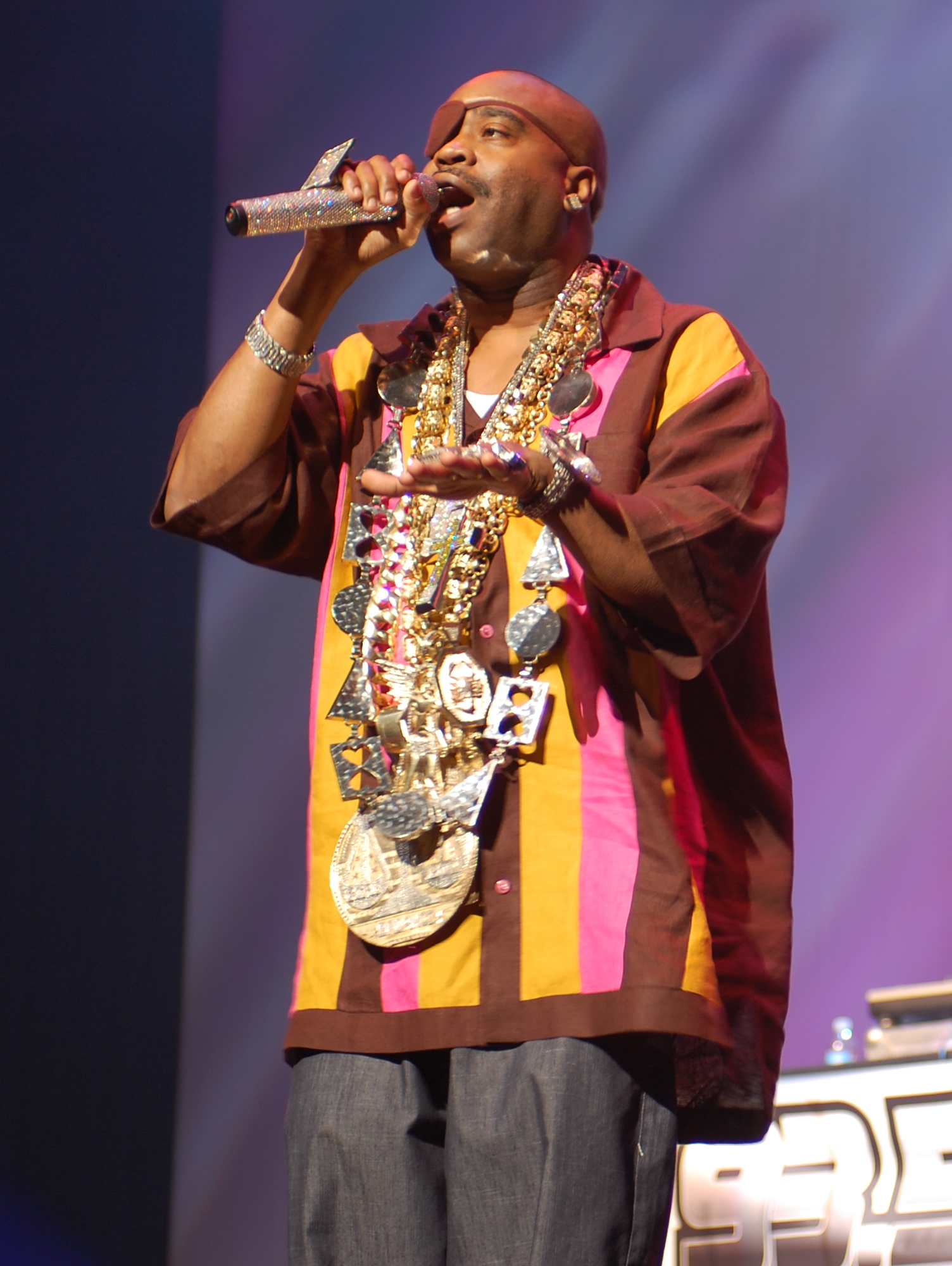
 photo: david burke · cc by 2.0 ↗
Salt-N-Pepa
In 1985, Cheryl “Salt” James and Sandra “Pepa” Denton were coworkers at a Sears in Queens when Hurby “Luv Bug” Azor, a fellow employee studying audio production, needed vocals for a class assignment. The result — “The Show Stoppa (Is Stupid Fresh),” cut under the name Super Nature — answered one of New York hip-hop’s biggest singles, and once a local DJ aired it, the two teenagers had a record deal instead of a grade. Renamed Salt-N-Pepa and joined by DJ Spinderella, they became hip-hop’s first commercially dominant all-female group, breaking wide with 1987’s “Push It” — a rushed B-side turned Top 20 pop crossover — and winning the first Grammy for Best Rap Performance. A 2025 Rock & Roll Hall of Fame induction followed, shadowed by a royalties dispute with Spinderella. The group that started by answering someone else’s record spent its career being the one other people answered.
the sound in question
1987
Push ItSalt-N-Pepa
walk the tributaries ↓
Roxanne Shanté1980s · Hip hop
Before there was a Show Stoppa, there was Roxanne Shanté, a teenager from Queensbridge who answered UTFO’s record with her own in 1984 and dared anyone to stop her. Salt does not hedge about the debt: “Roxanne Shante was really our inspiration almost totally and completely, because we kind of followed her example… what I loved about Roxanne was her gutsiness. She was so bold and so in your face and so confident.” A year after “Roxanne’s Revenge,” two Sears coworkers used the same move — an answer record from a young woman nobody had signed yet — to get in the door themselves.
listen: upstream & heresource: Global Grind — MC Lyte Interviews Salt of Salt N Pepa (Roxanne Shanté influence quote) ↗
1984
Roxanne's RevengeRoxanne Shanté
1991
Let's Talk About SexSalt-N-Pepa
listen forBoth records get their charge from saying, plainly, what women rapping in 1984 or 1991 weren’t supposed to say outright. Shanté raps “Roxanne’s Revenge” in an unbothered, conversational put-down aimed straight at the men who invented her character, refusing to raise her voice to make the point land. “Let’s Talk About Sex” works the same directness at PSA scale — Salt and Pepa name the subject in the title and refuse to soften it into innuendo, down to the spoken interlude that says so outright. Different eras, same nerve: state the unspoken thing calmly and let the confidence do the shocking.
Doug E. Fresh1980s · Hip hop
Salt tells the founding story the same way every time, and it always has a title in it: “it was a response to ‘The Show,’ and we called it ‘Show Stopper.’” Doug E. Fresh and the Get Fresh Crew’s biggest single owned New York radio in 1985, and two Sears coworkers with no record deal talked back to it on wax. The gamble worked fast enough to frighten them: “we were hearing rumors that [Doug E. Fresh and Slick Rick] were gonna answer the record,” Salt said. “We were nervous about that.” Doug E. Fresh himself ended the standoff — Pepa remembers him telling her, “Ah, let ’em live.”
listen: upstream & heresource: Rolling Stone — Our Life in 15 Songs ↗
1985
The ShowDoug E. Fresh
1985
The Show Stoppa (Is Stupid Fresh)Salt-N-Pepa
listen forListen for the shared shape more than a shared sample: both records ride an electro-tinged, mid-’80s drum-machine pulse built to move a room, with a shouted, chant-like hook on top. “The Show” leans on Doug E. Fresh’s own human beatboxing and the Get Fresh Crew’s call-and-response hype; “The Show Stoppa” keeps that same stripped, uptempo bounce but hands the back-and-forth to two voices trading verses instead of a crew — the record answering not just in title but in the room it was built for.
Slick Rick1980s · Hip-hop / East Coast hip-hop / Old-school hip-hop
“The Show” was only half the record Salt-N-Pepa answered. The other side was “La Di Da Di,” the showcase that turned teenage MC Ricky D into Slick Rick, and Salt names him directly telling the story: “We answered Slick Rick and Doug E. Fresh’s ‘The Show,’ which was a bold move for these two little girls from Queens that no one had ever heard of before.” Rick was the one they feared retaliation from most — Pepa recalled hearing “Slick Rick was gonna get us” before anyone knew he would let it go. The threat never landed, but it shaped how boldly two unsigned teenagers sold their record.
listen: upstream & heresource: Rolling Stone — Our Life in 15 Songs ↗
1985
La Di Da DiSlick Rick
1987
Push ItSalt-N-Pepa
listen forThere’s no shared sample here, only a shared function: each is the record that made its performer a star and still opens their live sets. Rick rides “La Di Da Di” on nothing but Doug E. Fresh’s beatbox and his own unhurried, half-sung storytelling voice, repeating the title like a hook he wrote for himself. “Push It” works the same trick in a different register — a chanted, four-word command looped over Spinderella’s scratches until it’s inescapable. Different tempo, different dance floor, same instinct: build the whole record around one phrase said until it becomes the song’s name.