walking upstream…
Lil' Kim


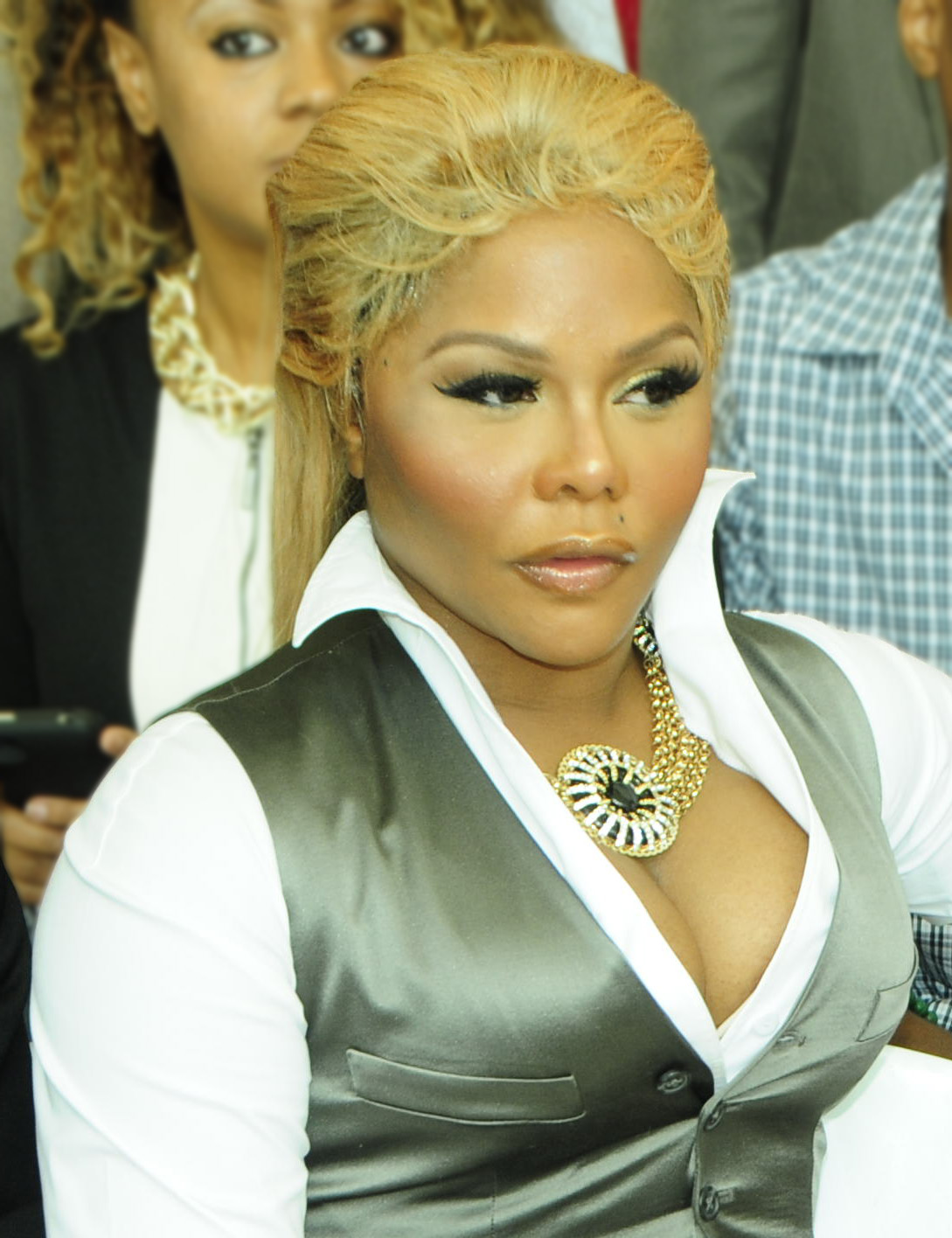
In a Brooklyn cipher on St. James Place in the early 1990s, a teenage Kimberly Jones rapped for The Notorious B.I.G., and by one Junior M.A.F.I.A. label executive's account the room stopped: "That voice is coming out of that tiny little girl?" Biggie pulled her into his crew, then rebuilt her voice, cadence, and stage persona from the ground up for her 1996 debut, Hard Core, whose blunt, first-person sexual bravado turned platinum and rewrote what a woman could say aloud on a rap record. She has also credited the women rappers of her teens, and Diana Ross's screen glamour, as formative touchstones. Hard Core made her; it also made room for everyone who followed.
the sound in question
2001
Lady MarmaladeLil' Kim
walk the tributaries ↓
The Notorious B.I.G.1990s · East Coast hip-hop / Gangsta rap / Hardcore hip-hop
Biggie discovered Kim rapping in that cipher and rebuilt her from the register up, choosing her voice, her cadence, when she'd sound tough and when "pretty." Producer Deric "D-Dot" Angelettie draws the line precisely: "The attitude she put in those lyrics was hers, but the bounce and the flow, where to breathe and where not to breathe, those had to be taught — certain pockets... that were Big's pockets." He kept shaping her past his 1997 death: for 2005's The Naked Truth, she built "All Good" around a recovered verse of his, a pairing critic Joan Morgan called Kim "riding shotgun with B.I.G."
listen: upstream & here
1993
Party and BullshitThe Notorious B.I.G.
2005
All GoodLil' Kim
listen forPlay Biggie's 1993 debut single "Party and Bullshit" against Kim's 2005 "All Good," built around one of his recovered verses. His cadence there — unhurried, stacking internal rhymes without rushing the line, riding just behind the beat — is the same shape D-Dot says he drilled into her own delivery. On "All Good" you're hearing teacher and student trade bars on one recording, his half of it laid down years before hers.
MC Lyte1990s · Hip hop
Kim has named her formative influences only once on record, in a 2019 sit-down with Talib Kweli's podcast "People's Party." The music outlet Okayplayer reported that in the conversation she credited a run of women rappers — Salt-N-Pepa, MC Lyte, and Roxanne Shanté among them — with shaping her "style, cadence, and rap persona" as a teenager, before Biggie remade all three into a persona of his own design. Lyte, Brooklyn's plainspoken pioneer a decade her senior, never adopted Kim's sexual bravado; the debt is in rap technique, not subject matter.
listen: upstream & heresource: Okayplayer — "Lil Kim Details Early Rap Influences..." (reported description of Kim naming MC Lyte, Salt-N-Pepa, and Roxanne Shanté as influences) ↗
1989
Cha Cha ChaMC Lyte
1996
Not TonightLil' Kim
listen forCue MC Lyte's 1989 "Cha Cha Cha" against Kim's "Not Tonight" from Hard Core. Both ride an unhurried, conversational cadence — lines tossed off almost too casually for the boasts they carry, syllables trailing just behind the drum instead of stacking on top of it. The pairing is illustrative rather than a lineage Kim herself named song for song, but the plainspoken delivery under Kim's far more explicit content is the same rhythmic backbone Lyte pioneered on New York radio a decade earlier.
Salt-N-Pepa1980s · Hip hop / Pop rap
The same 2019 "People's Party" conversation had Kim naming Salt-N-Pepa, alongside MC Lyte and Roxanne Shanté, among the rappers who shaped her as a teenager. Critics drew the throughline explicitly: reviewing Kim's catalog for RapReviews, Damon Brown wrote that her aggressive sexual bluntness was "not unlike Salt-N-Pepa telling us to Push It... just Kim was a little more direct." Where Salt-N-Pepa's come-ons stayed metaphorical and radio-friendly, Kim dropped the metaphor — filling, without euphemism, the commercial space Salt-N-Pepa had already opened.
listen: upstream & heresource: RapReviews — "Lil' Kim Interview" (critical framing comparing Kim to Salt-N-Pepa; Kim on Diana Ross as a role model) ↗
1987
Push ItSalt-N-Pepa
1996
No TimeLil' Kim
listen forPlay Salt-N-Pepa's 1987 "Push It" against Kim's "No Time." Both ride the same come-on posture over a bouncy, dance-floor groove — a woman issuing the invitation instead of waiting for one. The difference is in what's left unsaid: Salt-N-Pepa wink past the innuendo, while Kim's lyric says outright what "Push It" only implied, the identical swagger stripped of its remaining modesty.