Wild Bill Davis
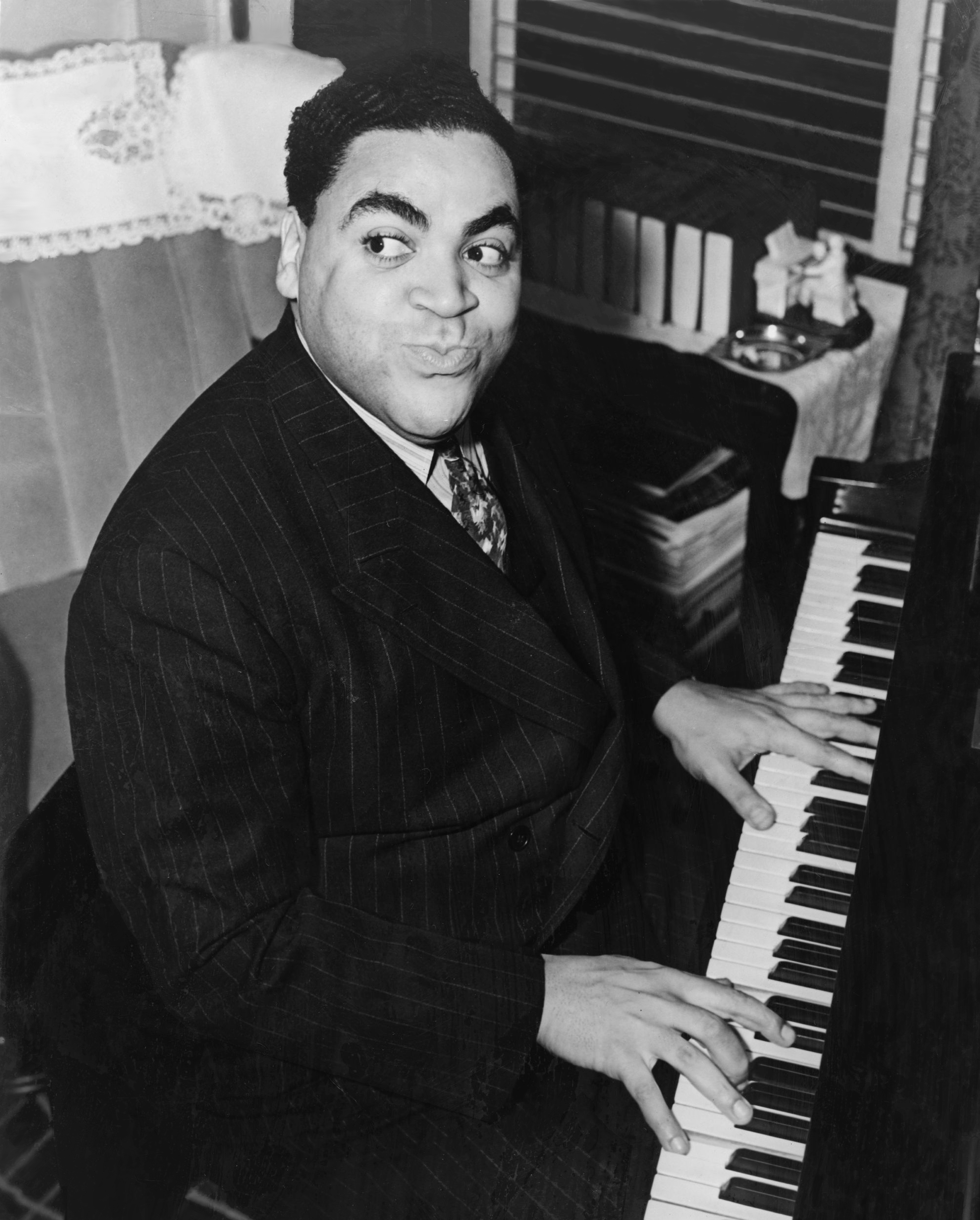
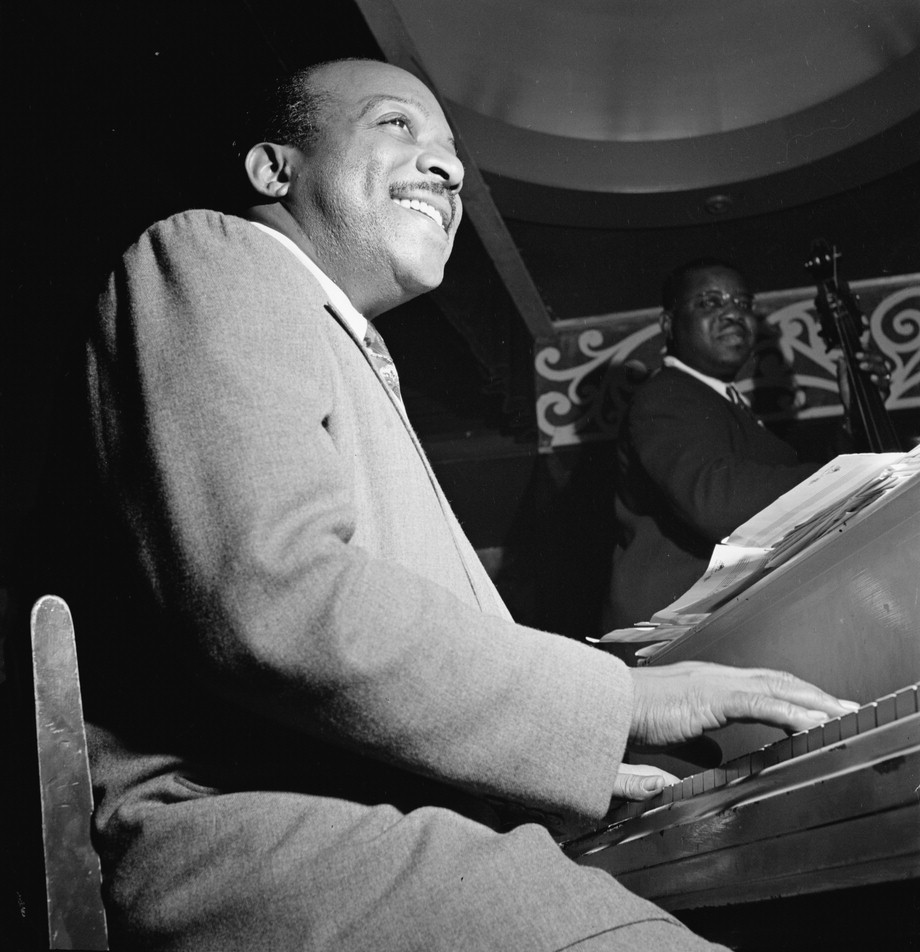
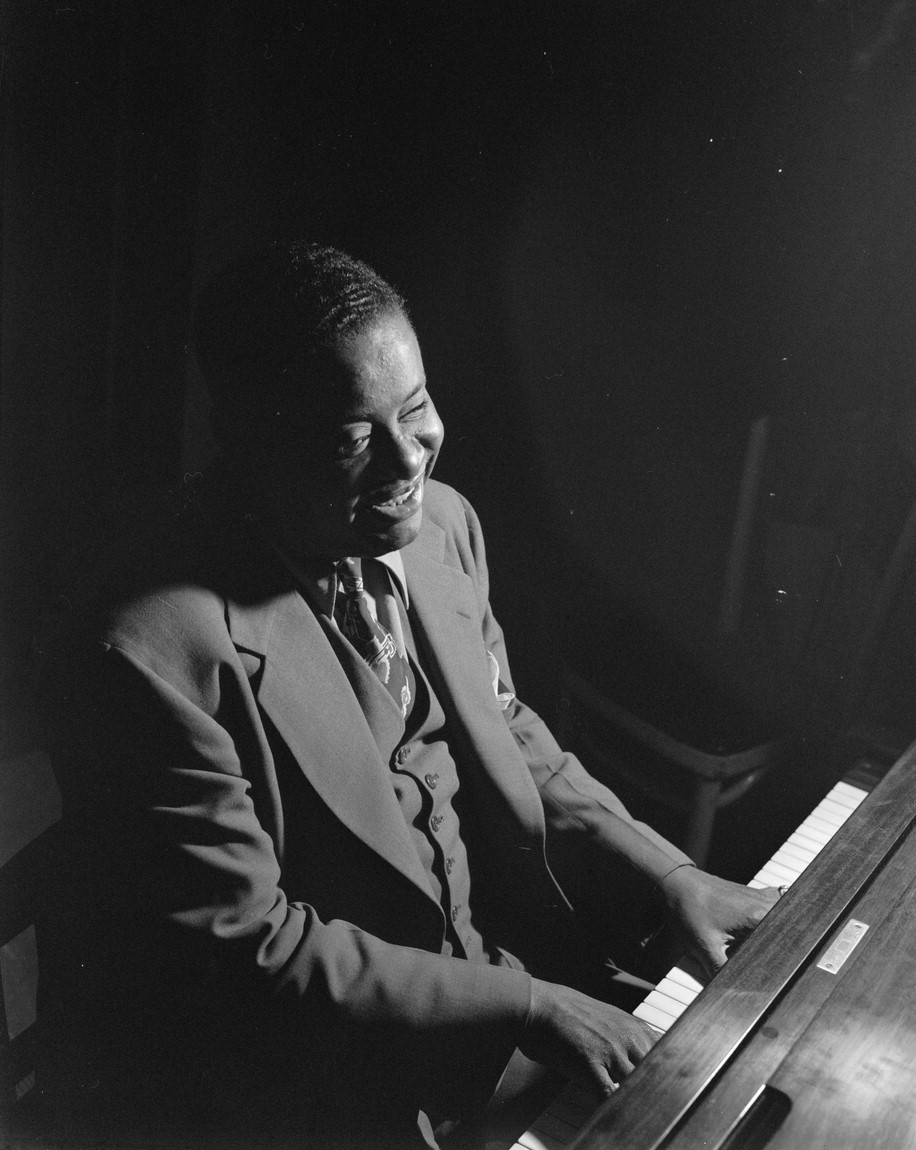
 photo: bruno of hollywood · public domain ↗
A pianist and arranger who switched to the Hammond organ after seeing it played in an Atlantic City club, Wild Bill Davis pioneered the organ-guitar-drums trio format in the early 1950s and thought of the organ as a way to replace an entire big band in a small room. His arrangement of "April in Paris" became a Count Basie signature, and his OKeh trio sides gave Jimmy Smith the spark to take up the instrument himself.
Davis took early inspiration from Fats Waller's organ playing — Waller doubled on pipe organ as well as piano — and carried Waller's rolling, stride-rooted left hand onto the Hammond's bass pedals and lower manual.
listen forThe bouncing, two-fisted stride pattern under Waller's "Handful of Keys" reappears, slowed and bluesed-up, in the walking bass figure Davis keeps going under his own solos on "Eyesight to the Blind."
Davis was intrigued by Count Basie's band as much as by any keyboardist, and said outright that he "thought of the organ as a replacement in clubs for a big band" — the riffing, horn-section punch of the Basie Orchestra is exactly what Davis tried to squeeze out of three players and a Hammond.
listen forThe riffing horn hits that drive Basie's "One O'Clock Jump" are echoed by the way Davis stacks chords into horn-like punches on "Organ Grinder's Swing."
Alongside Waller, Davis cited Art Tatum's playing as an early inspiration for taking up the organ — Tatum's harmonic sophistication gave Davis a model for dense, orchestral-sounding solo playing.
listen forTatum's rapid harmonic substitutions on "Tiger Rag" find an organ-trio equivalent in the way Davis reharmonizes the melody on "Azure 'Te," a tune he composed himself.