walking upstream…
Turnpike Troubadours
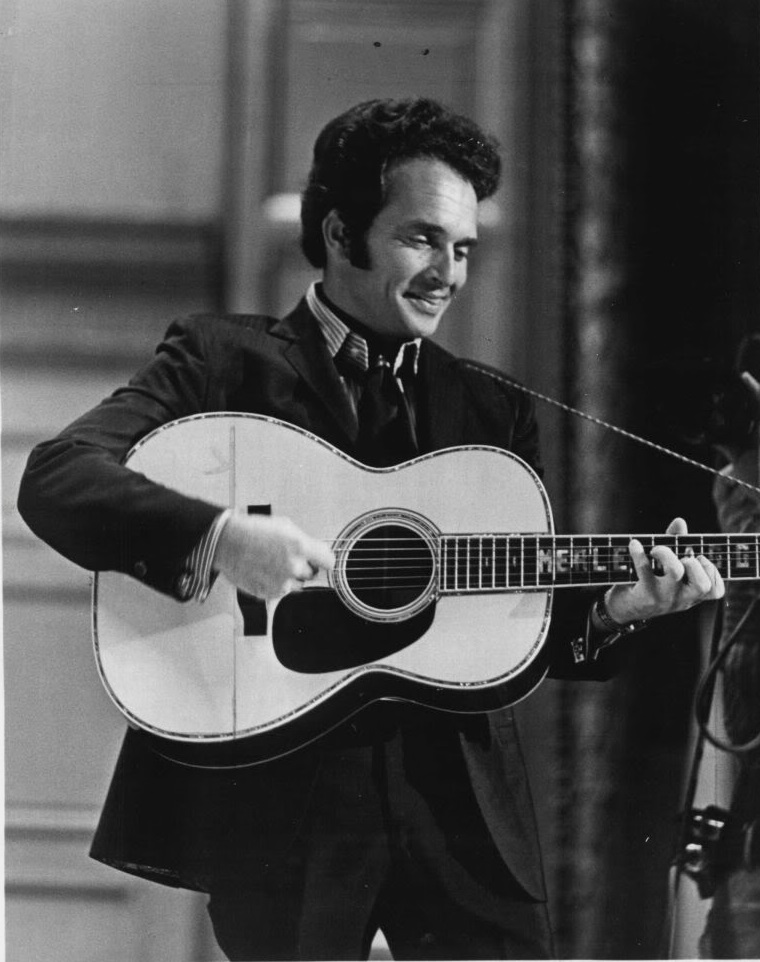

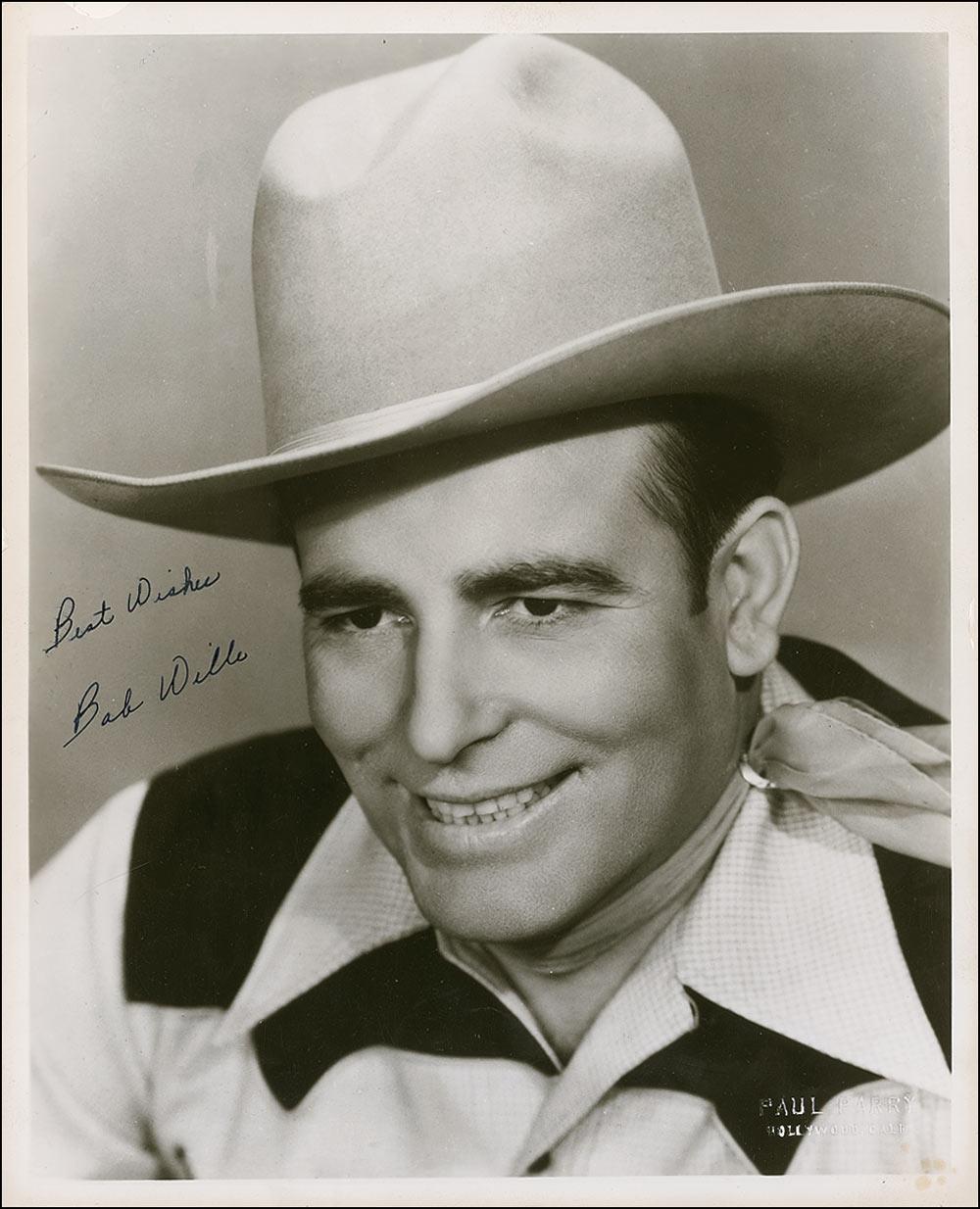
 photo: appalachiancentrist · cc by 4.0 ↗
Turnpike Troubadours
sourcesWikipedia · Rolling Stone · Vice
Formed in 2005 in Tahlequah, Oklahoma by singer Evan Felker, the Turnpike Troubadours built a devoted following the old-fashioned way, touring relentlessly through Red Dirt dance halls and roadhouses long before radio caught on. Their fiddle-and-steel-laced songs favor densely detailed, novelistic storytelling over Nashville polish, turning small Oklahoma towns and hard-luck characters into a whole recurring fictional world across albums like Diamonds & Gasoline and their 2015 self-titled record. A publicized 2019-2022 hiatus only cemented their cult status, and they've since become one of the most name-checked influences among the current generation of Red Dirt-adjacent singer-songwriters.
the sound in question
2010
Diamonds & GasolineTurnpike Troubadours
walk the tributaries ↓
Merle Haggard1960s–70s · Country / Bakersfield sound / Outlaw country
Frontman Evan Felker has cited Merle Haggard among his core influences, and bassist R.C. Edwards has described the band's early roadhouse gigs as built around playing Haggard songs to keep dancers on the floor before slipping their own material in between.
listen: upstream & here
1969
Workin' Man BluesMerle Haggard
2015
Long Drive HomeTurnpike Troubadours
listen forPlay Haggard's shuffling, Bakersfield-swing 'Workin' Man Blues' next to the Troubadours' 'Long Drive Home' — both ride a plain, driving honky-tonk backbeat behind lyrics about ordinary working life on the road.
John Prine1970s · Folk / Country / Americana
Evan Felker has named John Prine among the songwriters he grew up on, and the Troubadours' character-driven, small-town story songs follow directly from Prine's model of turning a single ordinary life into a complete narrative.
listen: upstream & here
1971
Angel from MontgomeryJohn Prine
2015
The Bird HuntersTurnpike Troubadours
listen forPlay Prine's 'Angel from Montgomery' for its close, first-person portrait of a worn-down life, then the Troubadours' 'The Bird Hunters' — both build a whole short story, grief and all, around one family and one place rather than a generic verse-chorus complaint.
Bob Wills1930s–40s · Western swing / Country
The Troubadours come from the same Tulsa-area musical heritage as Bob Wills and his Texas Playboys, who made Cain's Ballroom the home of western swing decades earlier; the band's fiddle-forward arrangements draw directly on that regional dance-hall lineage.
listen: upstream & here
1940
New San Antonio RoseBob Wills
2015
Bossier CityTurnpike Troubadours
listen forListen to the swinging fiddle lead on Wills's 'New San Antonio Rose,' then the Troubadours' own fiddle-driven 'Bossier City' — both let the fiddle carry the melody over a two-step rhythm built for a crowded dance floor.