walking upstream…
Ringo Sheena

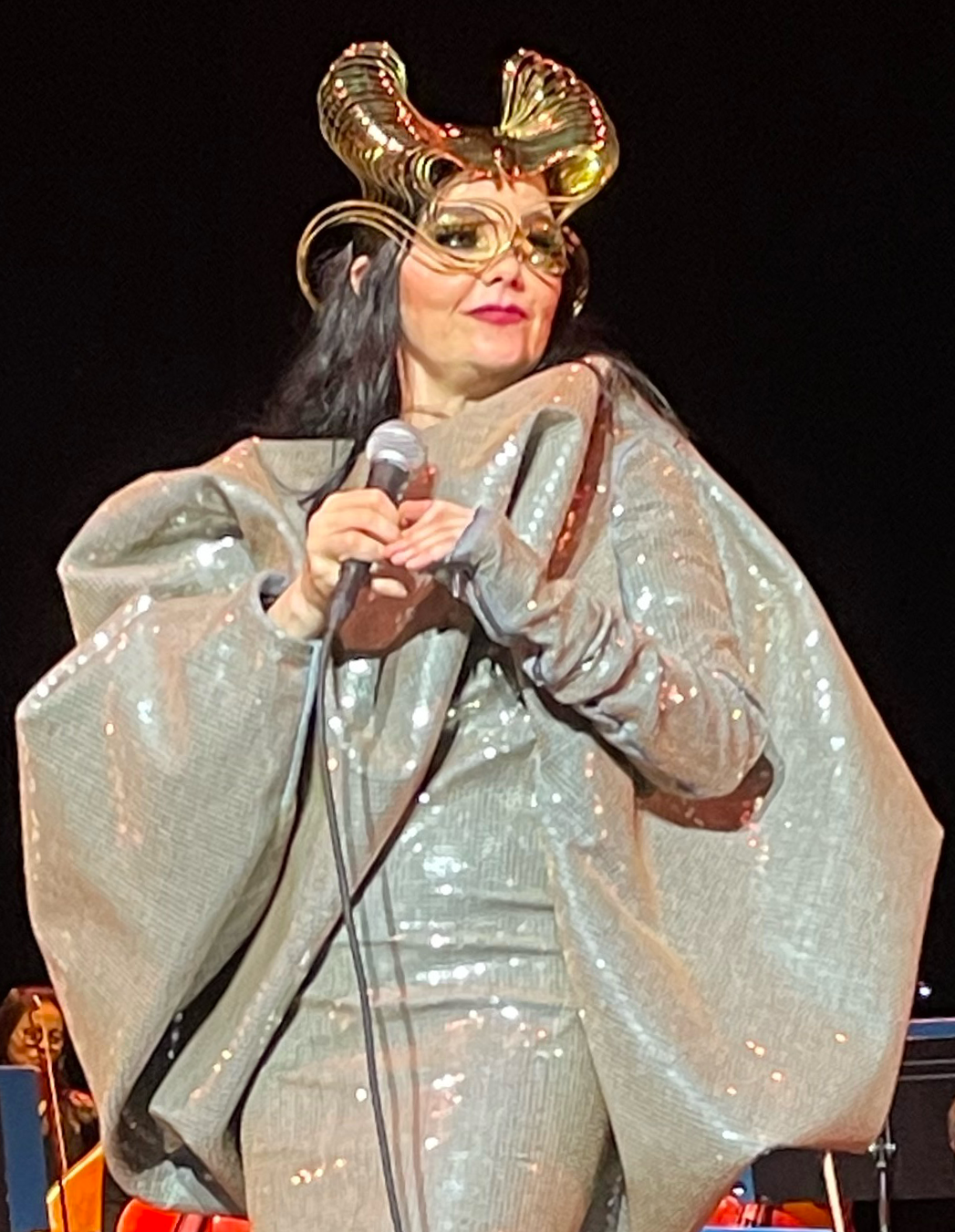
 photo: space shower network · cc by-sa 2.0 ↗
Ringo Sheena
Ringo Sheena — born Yumiko Shiina in Saitama in 1978, raised in Fukuoka, and known in Japan by the Hepburn transliteration Shiina Ringo — grew up in a house stocked with jazz and classical records and started piano lessons at four. She debuted in 1998 with the coquettish "Koufukuron," which she hated, and turned label rejection into leverage: by her second single, "Kabukichō no Joō," she had wrestled enough control to write about Tokyo's red-light district in her own confrontational voice. Her solo albums stacked kayōkyoku strings, punk sneer, jazz harmony, and orchestral excess into some of J-pop's most maximalist records before she folded herself into the band Tokyo Jihen in 2004. The turning point was never one record so much as her refusal to let anyone else pick which contradictions she got to keep.
the sound in question
1999
Marunouchi SadisticRingo Sheena
walk the tributaries ↓
BLANKEY JET CITY1990s · Alternative rock / Punk rock
In a 2025 Natalie feature that asked dozens of musicians to name one favorite song, Sheena picked BLANKEY JET CITY's "Gasoline no Yurekata" and didn't stop at the song. She said the band's frontman, Kenichi Asai, had built the way she saw herself: "私のアイデンティティは浅井健一氏の描く女性像により仕上げられました" (roughly, "my identity was shaped by the image of women that Kenichi Asai depicts"), adding that she had been exposed to the band as a girl and still felt "eaten away by it." It wasn't Asai's guitar she absorbed — it was his idea of what a woman in a rock song could be.
listen: upstream & heresource: Universal Music Japan — 電脳RAT/012「椎名林檎の作り方」(high-school chapter, on Blankey Jet City, the Beatles, and Björk) ↗
1995
Gasoline no YurekataBLANKEY JET CITY
1998
Kabukichō no JoōRingo Sheena
listen forNeither song sounds like the other outright — Blankey's "Gasoline no Yurekata" is a lean, three-chord glare, while Sheena's debut single "Kabukichō no Joō" folds noir strings around her sneer. What carries over is the vantage point: both songs are narrated by a woman refusing to play victim, delivered in a flat, dangerous near-monotone that never asks for sympathy. Listen for how little either vocal bothers to perform anguish — the confrontation sits in the calm, not the volume.
The Beatles1960s · Rock / Pop / Rock and roll
After she left high school in the mid-1990s, having already cycled through Motown, punk, and grunge, Sheena found herself circling back to a record her father owned. Asked what she had been listening to in that stretch, she told Universal Music's own fifteenth-anniversary interview series: "改めてビートルズのホワイトアルバムがグワーっときたりして、ものすごく新しい感じがしたんですよ" (roughly, "going back to the Beatles' White Album really hit me hard again — it felt tremendously new"). She names the album, not any one song on it, as what reset her ear.
listen: upstream & heresource: Universal Music Japan — 電脳RAT/012「椎名林檎の作り方」(high-school chapter, on Blankey Jet City, the Beatles, and Björk) ↗
1968
Happiness Is a Warm GunThe Beatles
1999
Tsumiki AsobiRingo Sheena
listen for"Happiness Is a Warm Gun" jack-knifes through three unrelated song fragments before it even reaches two minutes, snapped together with no bridge to soften the transitions. Sheena's "Tsumiki Asobi" pulls the same trick at home: a jittery verse breaks apart mid-song into what one critic called "an unexpected shift into throbbing techno-pop elevated by synthetic plucks from the koto." Neither song announces the swerve — listen for how both treat a sudden left turn as the whole point, not an interruption.
Björk1990s · Art pop / Electronica / Experimental
Around the same age she discovered Blankey Jet City, Sheena kept coming back to Björk's 1993 debut. "当時はビョークを聴いて、けっこう自分が解放されたような感じがしましたね" (roughly, "at the time, listening to Björk made me feel like I was actually pretty liberated"), she told the same Universal Music interview series. The claim was not posturing: around fifteen, filling out an audition form for a Tokyo talent agency that wanted her in a swimsuit competition, she listed Björk among her favorite artists — a small, private act of naming who she would rather sound like than look like.
listen: upstream & heresource: Universal Music Japan — 電脳RAT/012「椎名林檎の作り方」(high-school chapter, on Blankey Jet City, the Beatles, and Björk) ↗
1993
Violently HappyBjörk
1999
HonnōRingo Sheena
listen forBjörk's "Violently Happy" pairs an unhinged, near-shouted vocal with a beat that refuses to calm down under it; nothing about the performance apologizes for the excess. Sheena's "Honnō" works the same imbalance — she has said she wanted the song to show that "women had as much right to erotic fantasies as men," and the arrangement matches that dare, her voice cracking into full-throated release over heavy horns and guitar. Listen for how both vocals overshoot the melody on purpose.