walking upstream…
Public Enemy
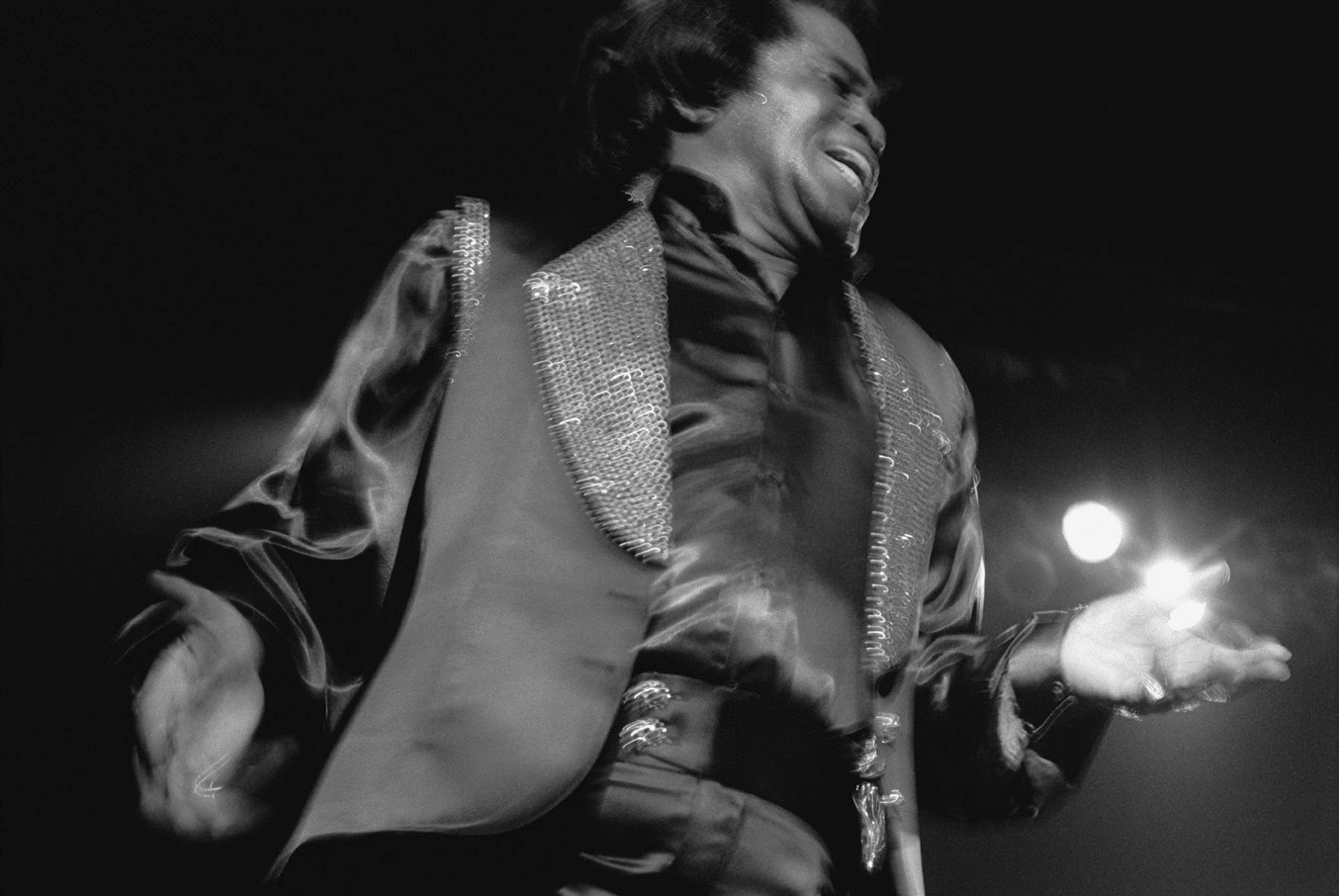


 photo: batiste safont · cc by-sa 4.0 ↗
Public Enemy
Formed in Long Island in 1985 around Chuck D's booming, indicting baritone and Flavor Flav's clock-swinging comic foil, Public Enemy turned the Bomb Squad's collaged wall of sirens, breakbeats and shrieking samples into hip-hop's most confrontational political weapon. It Takes a Nation of Millions to Hold Us Back and Fear of a Black Planet reset what a rap record could sound like and say, dragging Black Panther rhetoric, Nation of Islam imagery and tabloid-grade media paranoia into the Top 10. Nearly four decades on, Chuck D's demand to 'fight the power' remains hip-hop's most-quoted mission statement.
the sound in question
1989
Fight the PowerPublic Enemy
walk the tributaries ↓
James Brown1960s–70s · Funk / Soul / Rhythm and blues
Chuck D has called James Brown the single most important source in the Bomb Squad's crates, and producer Hank Shocklee has said the JB's catalog was the library they returned to more than any other. Chuck D has separately singled out 'Say It Loud – I'm Black and I'm Proud' as the most politically formative record of his childhood — the fusion of raw funk propulsion and unapologetic Black pride that became Public Enemy's whole blueprint.
listen: upstream & here
1968
Say It Loud – I'm Black and I'm ProudJames Brown
1988
Bring the NoisePublic Enemy
listen forCue 'Say It Loud' for its stripped-to-the-bone one-chord vamp and defiant call-and-response chorus, then play 'Bring the Noise,' which drives Chuck D's opening volley over a chopped Clyde Stubblefield break from Brown's 'Funky Drummer' — hip-hop's most-sampled drum break, repurposed here as a call to arms.
Grandmaster Flash and the Furious Five1980s · hip hop / old-school hip hop / electro
Chuck D has repeatedly credited 'The Message' as the record that proved rap could be reportage: Grandmaster Flash and the Furious Five's bleak, first-person account of ghetto life gave him a template for what he'd later call hip-hop's role as 'Black CNN,' and Melle Mel's densely written, socially pointed verses showed a teenage Chuck D that an MC's words could carry a whole record's weight.
listen: upstream & here
1982
The MessageGrandmaster Flash and the Furious Five
1987
Rebel Without a PausePublic Enemy
listen forPlay 'The Message' for its flat, weary narration riding a stark electro pulse, then put on 'Rebel Without a Pause' — the density and urgency are inherited, but Public Enemy cranks the tension into something closer to a siren, Chuck D's voice compressed until it sounds like a transmission under attack.
Gil Scott-Heron1970s · Spoken word / Soul / Jazz / Proto-rap
Chuck D has named Gil Scott-Heron among Public Enemy's main influences, alongside the Last Poets, calling the pair 'necessary, because they are the roots of rap' for fusing spoken word with music to deliver overtly political content. Critics have traced the lineage of 'Fight the Power' directly back to Scott-Heron's blunt sermonizing on records like 'Winter in America.'
listen: upstream & heresource: The Progressive ↗
1971
The Revolution Will Not Be TelevisedGil Scott-Heron
1989
Fight the PowerPublic Enemy
listen forListen to 'The Revolution Will Not Be Televised' for its clipped, incantatory delivery landing hard on the beat, daring the listener to keep up — then play 'Fight the Power,' which takes that same sermon-over-groove structure and turns the volume all the way up, trading Scott-Heron's cool disdain for Chuck D's air-raid urgency.