walking upstream…
Gang Starr
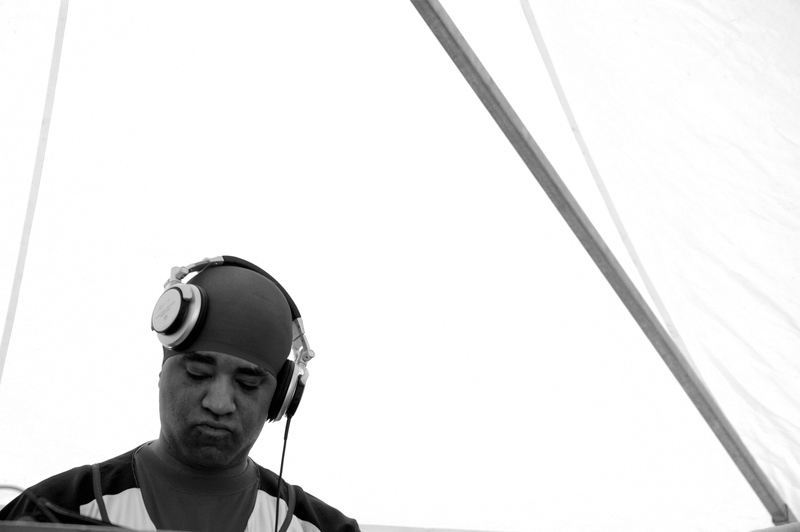

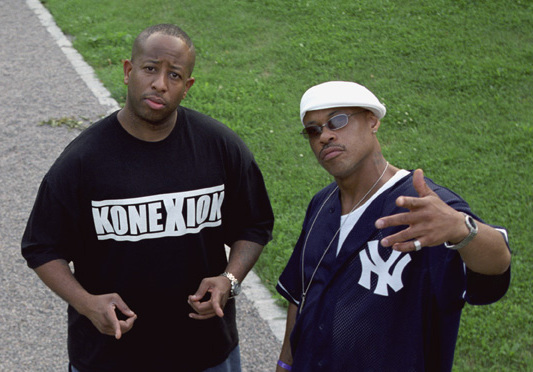
In 1989, DJ Premier was a college junior in Texas, weighing music against a degree, when Gang Starr's first single, "Words I Manifest," hit New York radio. "I said, 'Let me finish doing the music and if I really don't make it, then I'll get my degree and get a job,'" he told Rolling Stone. "I still have 18 credits left to graduate." He never went back. Boston-raised Guru, chasing a rap career in New York, had already recruited him off a demo submitted to the label Wild Pitch Records, and the pairing became hip-hop's defining jazz-rap duo: Premier's dusty loops and surgical drum programming under Guru's flat, unhurried delivery. Across five albums, from "No More Mr. Nice Guy" (1989) to "Moment of Truth" (1998), they set a boom-bap standard rap production still measures itself against.
the sound in question
1998
Moment of TruthGang Starr
walk the tributaries ↓
Marley Marl1980s · East Coast hip-hop / Golden age hip-hop / Hip hop
DJ Premier calls Marley Marl "my biggest idol," and the proof arrived on the radio: soon after Gang Starr's first single dropped, Marl opened his show with it. "When Marley Marl, my biggest idol, opened his radio show with [this song], though, that's all I needed to know," Premier told Rolling Stone. "I was like, 'Ohhhh my God.'" Marl's Juice Crew records — raw, drum-forward loops built to give MCs open space to work in — became the template Premier chased before he developed the jazzier, denser style Gang Starr made its own.
listen: upstream & heresource: Rolling Stone — DJ Premier ↗
1988
The SymphonyMarley Marl
1989
Words I ManifestGang Starr
listen forCue up Marley Marl's posse cut "The Symphony," where the loop drops nearly bare, just bass and drums, so four rappers can trade bars without fighting the beat for room. Then play Gang Starr's "Words I Manifest": the loop is thinner and the drums snap harder, but it's the same instinct at work, a groove built to clear space for the voice on top of it rather than compete with it.
Public Enemy1980s · Hip hop / Political hip hop / Conscious hip hop
Premier has said he built "Who's Gonna Take the Weight?" to sound "very Public Enemy-oriented because everybody during that time was making noisy records because of them." It wasn't imitation so much as reverse-engineering: "All the Public Enemy albums, I knew what records they were sampling but was like, 'How'd they construct it like this?!'" he told Rolling Stone. The Bomb Squad's method of stacking multiple loops into a single wall of sound gave him a model for piling samples on top of each other instead of looping just one.
listen: upstream & heresource: Rolling Stone — DJ Premier ↗
1987
Rebel Without a PausePublic Enemy
1990
Who's Gonna Take the Weight?Gang Starr
listen forPlay Public Enemy's "Rebel Without a Pause" and count the layers: a shrieking horn loop, scratches, and a siren that never lets the track breathe. Then put on "Who's Gonna Take the Weight?" — Premier isn't chasing that same siren, but the mix is just as crowded, drums, horns, and vocal stabs piled on top of each other until the track hits with a density no single loop could carry alone.
James Brown1960s–70s · Funk / Soul / Rhythm and blues
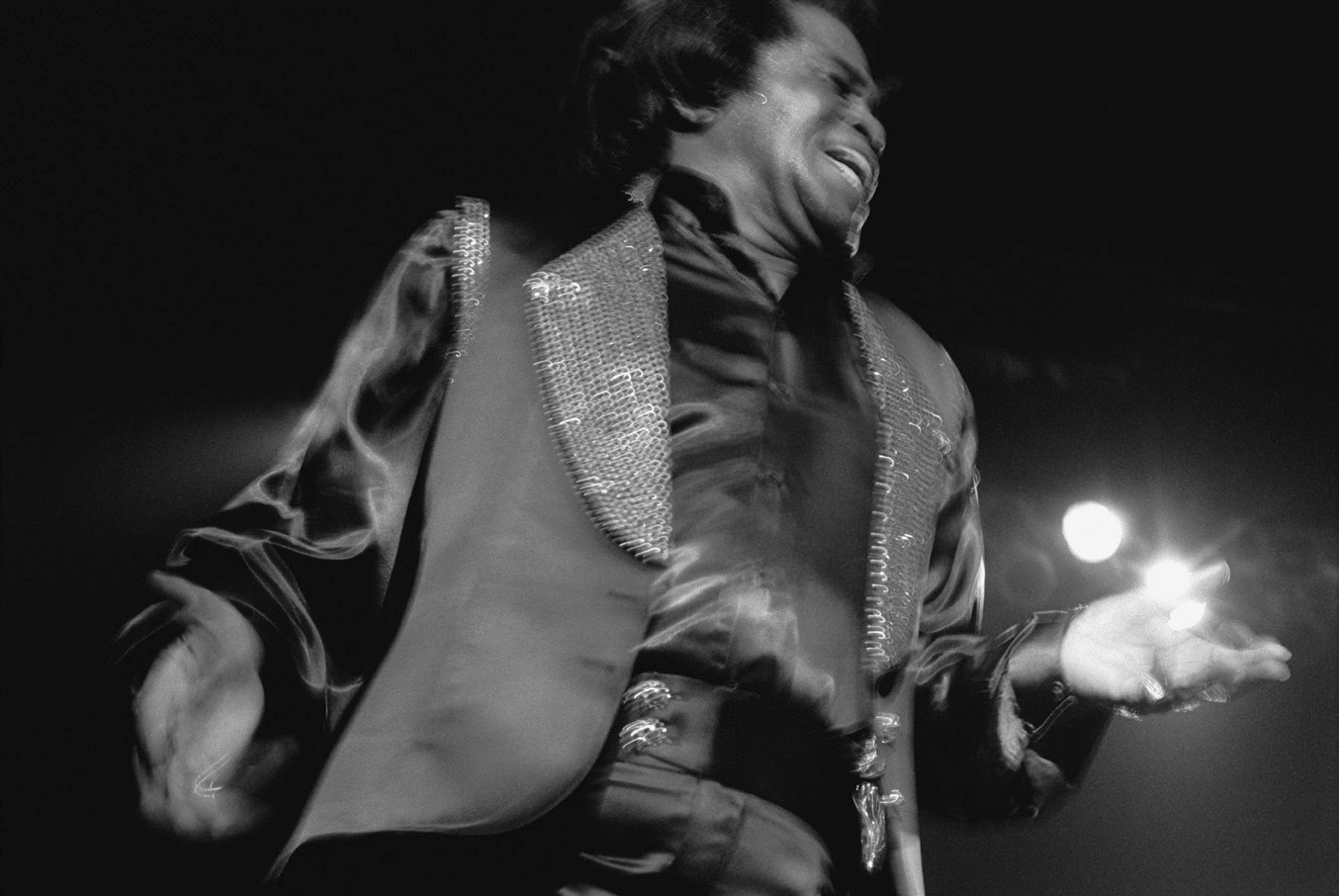
Premier came up, by his own account, in "the James Brown era of sampling," which "was very heavy" — so heavy that most of Brown's most obvious breaks were already claimed by other producers before Gang Starr cut a record. "That's when I went, 'Damn, man. I wonder what it would be like to take jazz samples with naked space,'" he told Rolling Stone, describing the pivot that gave Gang Starr its signature sound. He still worked a fragment of Brown's music into one of the group's earliest singles, though which specific recording remains unidentified.
listen: upstream & heresource: Rolling Stone — DJ Premier ↗
1970
Funky DrummerJames Brown
1994
Mass AppealGang Starr
listen forNo confirmed sample ties these two directly, but put James Brown's "Funky Drummer" — one of the most reused breaks in hip-hop, all clipped snare hits and open space — against Gang Starr's "Mass Appeal," and the drum-forward discipline Premier built by 1994 still traces back to that same James Brown-era scarcity: hit hard, stay spare, and let the groove carry the record the way a full band once did.