walking upstream…
N.W.A
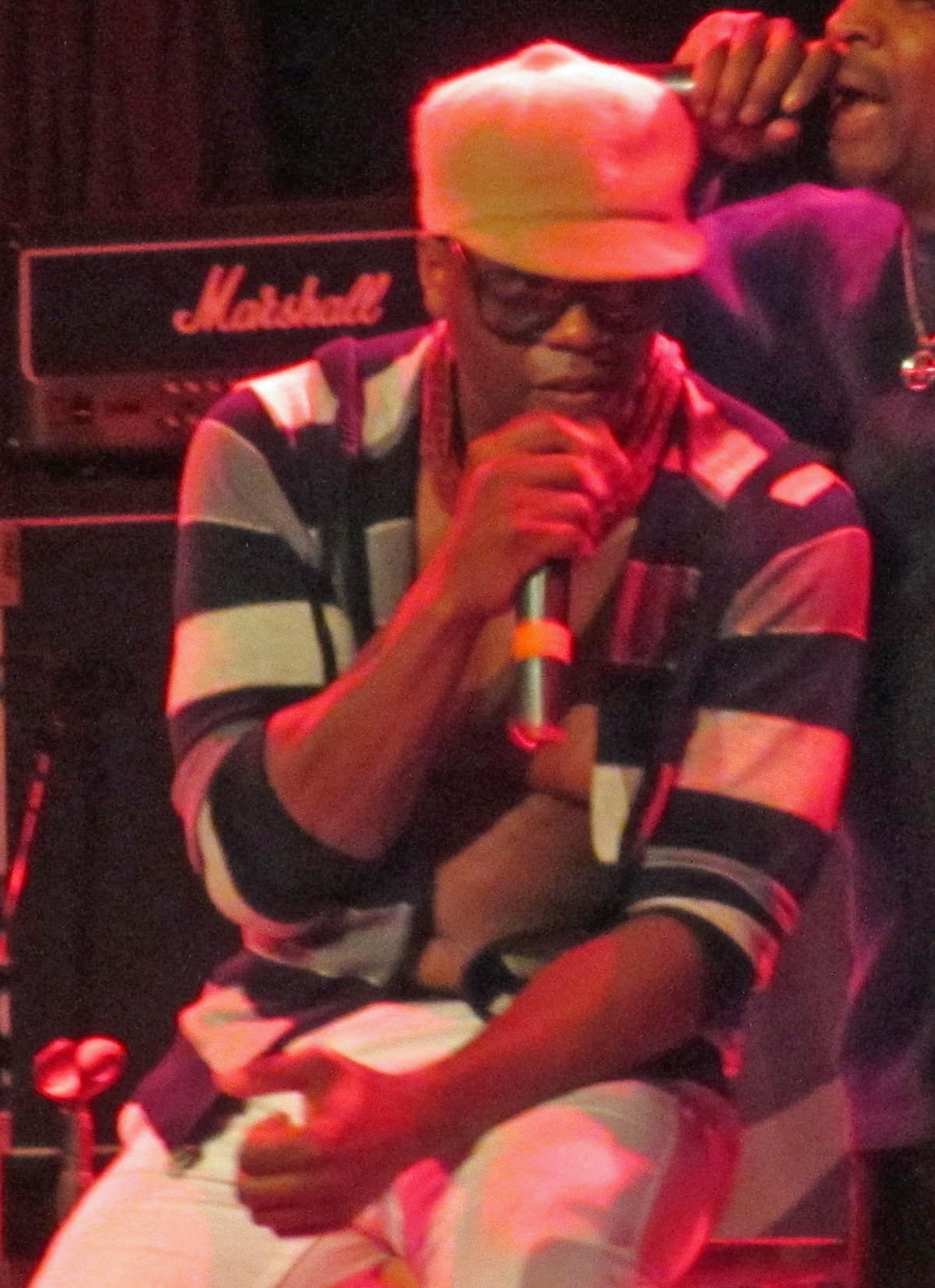


N.W.A
sourcesWikipedia — N.W.A (formation, Straight Outta Compton, FBI letter, breakup) · Wikipedia — Gangsta rap (Mickey Hess on Schoolly D's influence on Eazy-E and N.W.A) · Davey D's Hip Hop Corner — Ice-T PROPS Magazine interview (Ice-T on the Schoolly D to N.W.A lineage) · Audacy — Hip-Hop Made · Capital XTRA — Dr. Dre musical influence facts (Dre on Grandmaster Flash's 'Wheels of Steel')
In 1986, Eazy-E poured money from Compton's streets into a new label, Ruthless Records, and pulled in producer Dr. Dre, Dre's old electro-funk partner DJ Yella, and a teenage rapper named Ice Cube, who'd been writing for a local group called C.I.A. MC Ren joined the following year. What they built, 1988's Straight Outta Compton, was recorded fast that summer and fall and drew federal attention: an FBI official wrote Ruthless and its distributor warning that "advocating violence and assault is wrong," a letter that only widened the album's audience. It went double platinum on almost no radio play. Ice Cube left over a royalty dispute before Niggaz4Life; the group dissolved by 1991. N.W.A didn't invent gangsta rap, but they made it impossible to look away from.
the sound in question
1988
Straight Outta ComptonN.W.A
walk the tributaries ↓
Schoolly D1980s · Gangsta rap / East Coast hip hop
Philadelphia rapper Schoolly D cut "P.S.K. What Does It Mean?" in 1985 with the drum machine, his own flat voice, and DJ Code Money's scratches recorded live in one room -- no calculation, just a document of what he saw on his block. Wikipedia's account of gangsta rap's roots, citing scholar Mickey Hess, traces Schoolly D's fingerprints directly onto Eazy-E and N.W.A's "Boyz-n-the-Hood." Schoolly D later shrugged off the money it made everyone else: "Ice-T and Eazy and those guys took the face and the voice," he said, while he himself had already moved toward scoring films.
listen: upstream & heresource: Billboard — Schoolly D reflects on creating gangsta rap with 'P.S.K.' on its 30th anniversary (Schoolly D on Ice-T/Eazy-E carrying the sound) ↗
1985
P.S.K. What Does It Mean?Schoolly D
1987
DopemanN.W.A
listen forPlay "P.S.K." and notice how flat Schoolly D keeps his delivery over that dry, half-empty drum-machine pattern -- no hook, no punchline, just narration of what's happening on the corner. Then cue N.W.A's "Dopeman": the same unhurried, matter-of-fact cadence walks through the mechanics of dealing rather than glamorizing it, riding a groove nearly as bare as Schoolly D's. It's the sound of reportage before rap decided a street record needed a chorus.
Ice-T1980s · Gangsta rap / West Coast hip hop
Ice-T's "6 'N the Mornin'" (1986) took Schoolly D's flat delivery and gave it a plot: a single day, told in order, that opens with police at the door and ends on the run. In a PROPS Magazine interview, Ice-T traced the lineage himself -- "The first record that came out along those lines was Schooly D's 'P.S.K.' Then the syncopation of that rap was used by me" -- before crediting N.W.A with pushing past him: "But NWA did it louder, more crazy, and better for what it was. They took gangsta rap to a whole other level."
listen: upstream & heresource: Billboard — Schoolly D reflects on creating gangsta rap with 'P.S.K.' on its 30th anniversary (Schoolly D on Ice-T/Eazy-E carrying the sound) ↗
1986
6 'N the Mornin'Ice-T
1988
Straight Outta ComptonN.W.A
listen for"6 'N the Mornin'" marches through its day in strict chronological order -- sirens, a chase, a hideout -- with Ice-T's voice staying level no matter how the stakes rise. "Straight Outta Compton" keeps that same clocked, blow-by-blow structure but multiplies the voices, three rappers trading verses and each pushing the volume and menace past what Ice-T's solo delivery only implied.
Grandmaster Flash and the Furious Five1980s · hip hop / old-school hip hop / electro
Two future N.W.A members found Grandmaster Flash and the Furious Five independently. Ice Cube has said 1982's "The Message" "had a profound effect on me because it wasn't just talking about partying and rapping, but it was talking about what was really going on in the streets" -- the reportage mode that became "Straight Outta Compton" and "Fuck tha Police." Dr. Dre traces his own career to the same group's turntablism: hearing "The Adventures of Grandmaster Flash on the Wheels of Steel," he has said, "made me want to DJ. It made me want to know what hip-hop was. That was the song that did it."
listen: upstream & here
1982
The MessageGrandmaster Flash and the Furious Five
1988
Fuck tha PoliceN.W.A
listen for"The Message" names its target plainly, describing tenement decay and dead-end poverty in a near-monotone that refuses to dress the report up. "Fuck tha Police" borrows that same directness and turns it on a different institution, trading Melle Mel's weary narration for Ice Cube and MC Ren's blunt, courtroom-styled indictment -- commentary delivered as flat statement, not metaphor or party rhyme.