walking upstream…
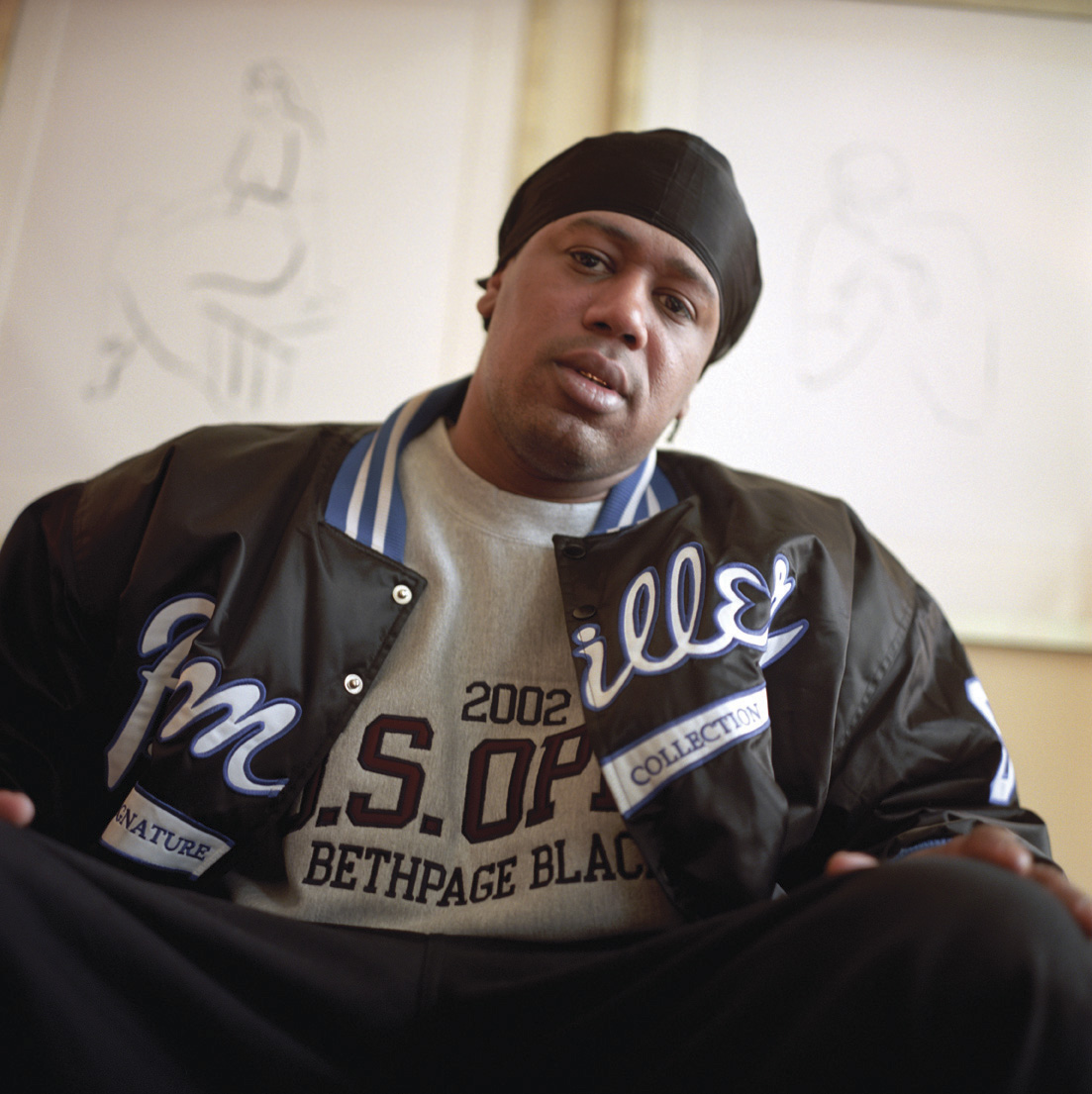
Master P


sourcesWikipedia · The Ringer · Trapital
Percy Miller grew up in New Orleans' Calliope housing projects before a wrongful-death settlement from his grandfather's estate financed a record store in Richmond, California, where he studied the Bay Area's independent hustle up close — selling tapes out of the trunk of his own car at swap meets while absorbing lessons from Houston's Rap-A-Lot and the Ruthless Records blueprint out of Compton. Returning to New Orleans in 1995, he built No Limit Records into a self-owned empire, negotiating an 80/20 profit split with Priority that let him keep his masters, a structure other labels would study as closely as his music. His tank-and-soldier iconography, gruff ad-libbed catchphrases, and bounce-inflected street narratives turned No Limit into a Southern rap factory, with 1997's crossover hit 'Make 'Em Say Uhh!' announcing its arrival at the top of the charts. He later built a parallel career in film, sports management, and consumer goods.
the sound in question
1997
Make 'Em Say Uhh!Master P
walk the tributaries ↓
Too $hort1980s–90s · West Coast hip hop / Gangsta rap / Dirty rap
Master P has described his own business education as a Bay Area apprenticeship — 'I was selling music out the trunk of my car, hitting all the swap meets,' the same independent circuit Too $hort had already mastered, moving tens of thousands of tapes without a major label. The Ringer's history of Master P names Too $hort directly as a source for 'the streetwise lewdness and the I-sold-this-to-you-out-of-the-trunk-of-my-own-car DIY spirit' that runs through his catalogue and his career model alike.
listen: upstream & here
1988
Life Is... Too $hortToo $hort
1996
Ice Cream ManMaster P
listen forPlay 'Life Is... Too $hort' against 'Ice Cream Man' — both ride a blunt, conversational cadence over a spare groove, narrating the hustle in plain first-person detail rather than boasting in abstractions, with unglamorous, matter-of-fact grit standing in for polish.
N.W.A1980s · Hip hop / Gangsta rap / West Coast hip hop
In the same account of his rise, Master P named 'Eazy-E and N.W.A' alongside the Bay Area figures who shaped him while he built his business from the ground up — both the group's blunt, matter-of-fact gangsta storytelling and Eazy-E's self-owned Ruthless Records fed directly into No Limit's sound and its insistence on artist-owned masters.
listen: upstream & here
1988
Straight Outta ComptonN.W.A
1997
Ghetto DMaster P
listen forSet 'Straight Outta Compton' beside 'Ghetto D' — both deliver drug-trade and street-violence narration in a flat, unflinching near-monotone over hard, minimal low end, letting the plainness of the telling do the menacing work.
Scarface1990s · Southern hip hop / Gangsta rap / Hardcore hip hop
Master P has said he studied 'what Lil' J [J Prince] was doing with Rap-A-Lot in Houston' while he was in the city on a basketball scholarship — the label whose flagship artist was Scarface, whose brooding, first-person storytelling about violence and mortality defined the Southern 'thug rapper' template years before the term existed. Writers tracing the South's influence on mafioso rap draw a direct line from Scarface's dark, ruminative gangsta narratives to Master P's own mob-boss mythology.
listen: upstream & heresource: The Mancunion ↗
1991
Mr. ScarfaceScarface
1998
Da Last DonMaster P
listen forCompare 'Mr. Scarface' with 'Da Last Don' — both settle into a slow, brooding delivery over sparse, funk-inflected low end, framing the narrator as a hardened kingpin weighing mortality and power rather than chasing a hook.