walking upstream…
Jonathan Richman

.jpg)
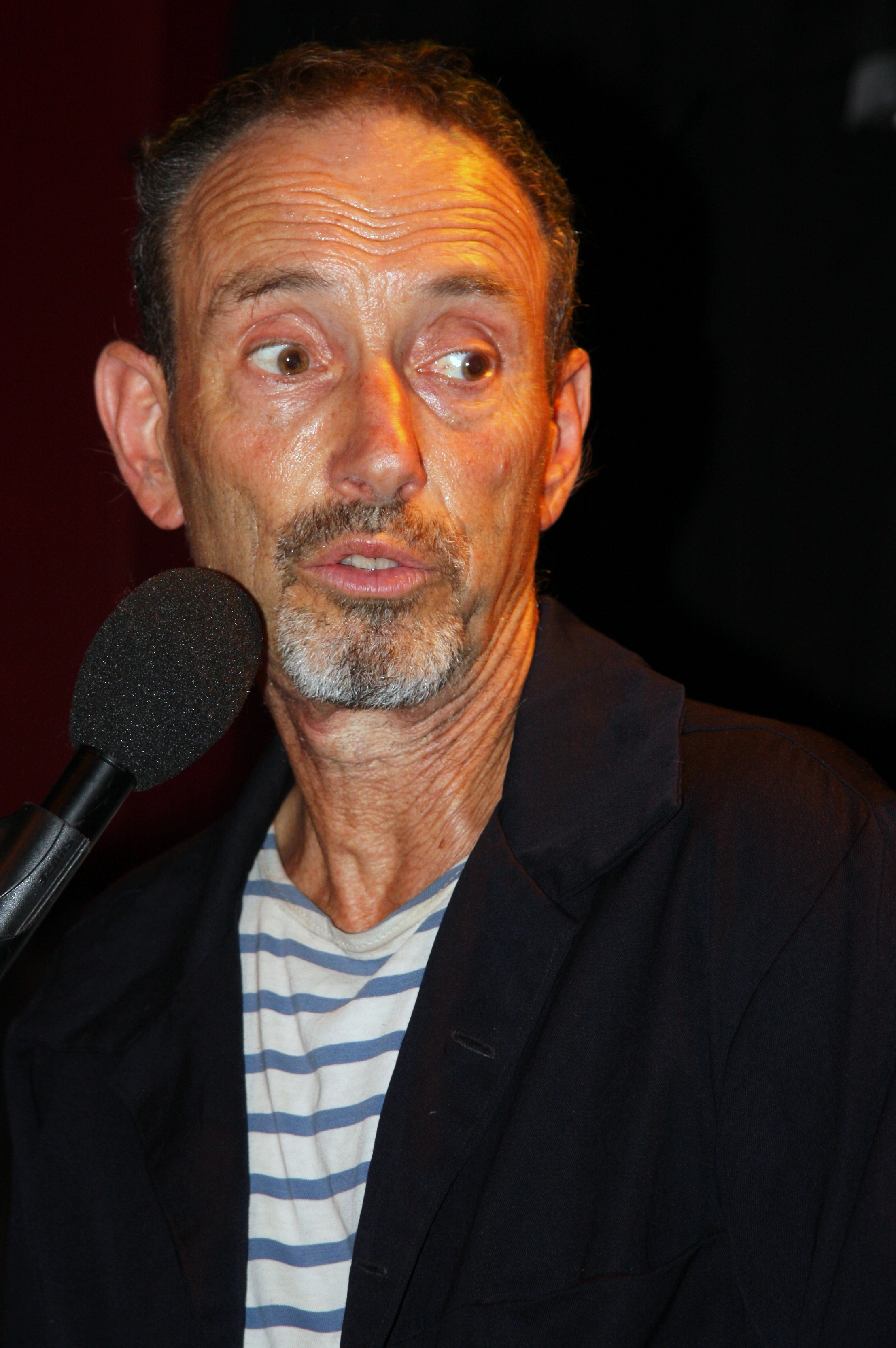 photo: jonathunder · gfdl 1.2 ↗
Jonathan Richman
sourcesWikipedia — Jonathan Richman (biography, discography) · Cincinnati CityBeat — "Jonathan Richman Details Musical Influences" (VU/Stooges drone testimony, 2024) · Far Out Magazine — "The moment Jonathan Richman met Lou Reed" (guitars-like-drums exchange) · AllMusic — Jonathan Richman & the Modern Lovers review and credits (Chuck Berry cover, track 2) · The Quietus — "Strange World Of... Jonathan Richman" (VU fandom biography)
In 1967, sixteen-year-old Jonathan Richman spotted Lou Reed crossing Harvard Square with a guitar case and talked his way into the Velvet Underground's orbit, following the band to dozens of shows and then to New York, where he slept on their manager's couch and opened for them before he could really play. Back in Boston by 1970, he turned that fandom into the Modern Lovers, wiring the churning, guitars-as-percussion drone he'd loved in the Velvets and the Stooges into raw, deadpan demos now read as a founding punk text — then walked away from it almost immediately, trading amplifiers for a gentler, almost childlike style built on 1950s rock and roll, cars, museums and ice cream trucks. He never called it songwriting. "I didn't write much," he said of that whole catalog. "I just made stuff up." Five decades on, he was still making it up.
the sound in question
1972
RoadrunnerJonathan Richman
walk the tributaries ↓
The Velvet Underground1960s · Art rock / Proto-punk / Experimental rock
"Both those bands changed me very much," Richman told Cincinnati's CityBeat in 2024, asked how he first came across the Velvet Underground and the Stooges. "Both had a drone, you notice. Early rock and roll had a sort of drone when it was any good, no?" That drone had already pulled him to New York at eighteen, where he slept on the couch of the Velvets' manager, Steve Sesnick, and opened their shows years before he could really play. Back in Boston, he wired that same churning pulse into the demos that became the Modern Lovers.
listen: upstream & heresource: Far Out Magazine — "'Roadrunner' ↗
1968
Sister RayThe Velvet Underground
1972
RoadrunnerJonathan Richman
listen forSister Ray grinds for eighteen minutes on a two-or-three-chord vamp that never resolves, its guitars doing the work of a drum kit — precisely what Richman, recalling the day he met Lou Reed, said he told him: that the band would "use the guitars like they were drums." Roadrunner compresses that same drone to two chords and swaps the grinding decay for headlights and the radio; critics have long heard it as a direct answer to "Sister Ray," the mechanism unchanged, only the mood turned from debauched to wide-eyed.
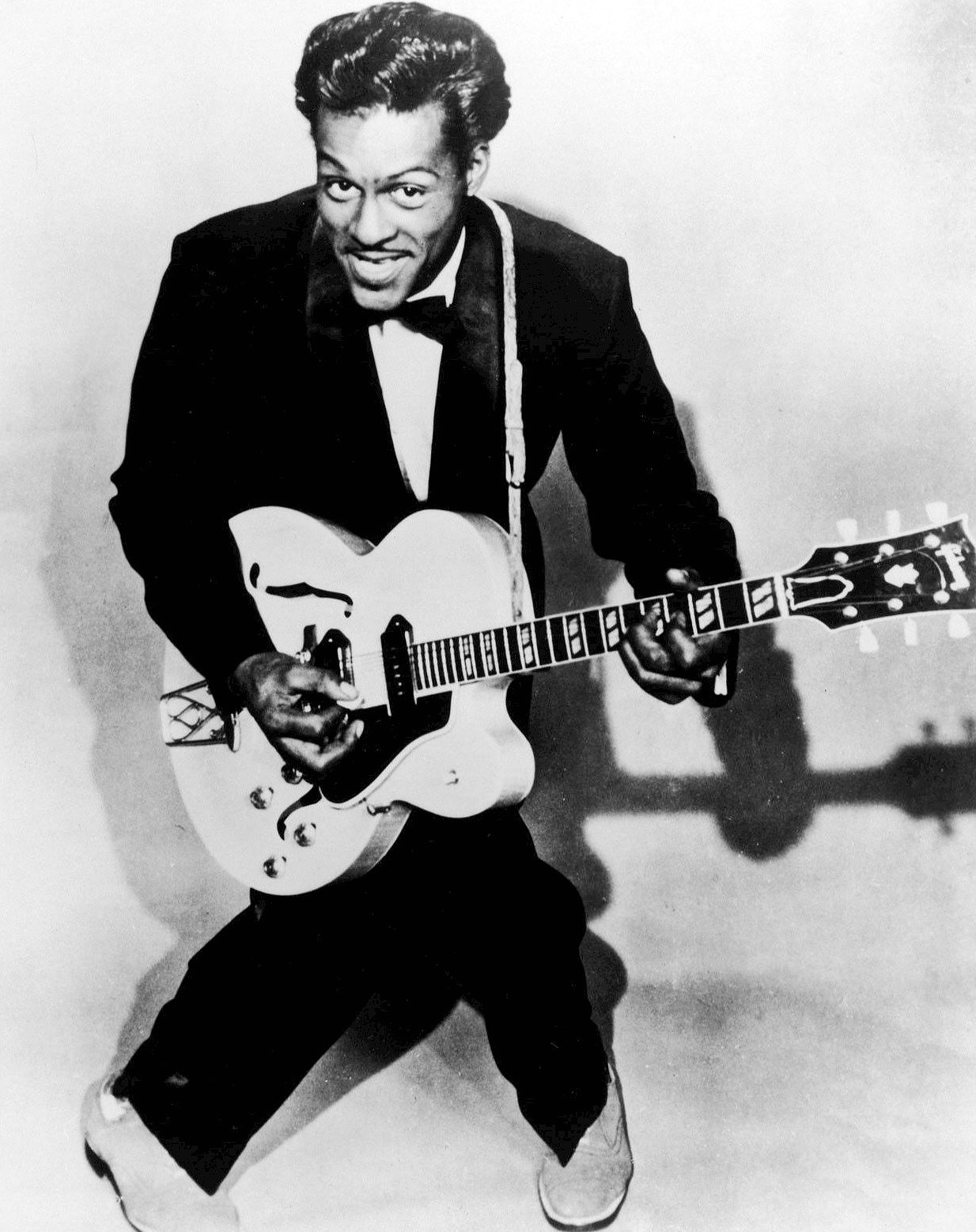
Chuck Berry1950s · Rock and roll / Rhythm and blues
By 1976 the Modern Lovers had traded the unreleased first tapes' VU-inflected snarl for something warmer and simpler, and the album built to replace them put a straight cover of Chuck Berry's "Back in the U.S.A." as track two, credited to Berry on the sleeve. Richman had been calling that source poetic for years — "Chuck Berry was poetic," he said in a 2015 interview, "loads of people, poetic" — and putting Berry's own song on the record, unaltered in structure, was the plainest way he had of saying so.
listen: upstream & heresource: Synthesis Weekly — Jonathan Richman interview, 2015 (Chuck Berry "poetic" quote, songwriting philosophy) ↗
1959
Back in the U.S.A.Chuck Berry
1976
Back in the U.S.A.Jonathan Richman
listen forBerry's 1959 original chugs behind a full band vamping a simple three-chord shuffle, a car-radio riff built for singing along. The Modern Lovers' 1976 cover keeps the chords and the road-trip lyric but strips the band down to upright bass and barely-amplified percussion, Richman half-shouting cues to his own musicians mid-song — the same riff, played by a band that had already decided loudness wasn't the point anymore.
The Stooges1970s · Proto-punk / Garage rock
Asked what first got him into music, Richman gave CityBeat a straight answer: early rock and roll on the radio, Bizet's "Carmen," the Lovin' Spoonful, the Doors — "and then the Velvet Underground and The Stooges…after those two I started to play guitar." It's not fandom this time so much as cause and effect: no specific Stooges song or show survives in his own retellings, but the credit is unprompted, dated to 2024, and entirely his own, placing the Stooges' flat aggression alongside the Velvets' drone as the reason he ever picked up an instrument at all.
listen: upstream & here
1969
No FunThe Stooges
1972
She CrackedJonathan Richman
listen forPut the Stooges' "No Fun" next to the Modern Lovers' "She Cracked" and the kinship is in what both refuse: no bridge, no key change, just one flat, aggressive riff ridden past the point of comfort until the repetition itself becomes the hook. Where the Velvet Underground gave Richman a drone to chase, the Stooges gave him a license for ugliness in the delivery — the sneering, deadpan vocal on "She Cracked" rides a two-chord grind that carries the same nerve Stooges frontman Iggy Pop brought to his own sneer, aimed here at a girl instead of a crowd.