walking upstream…
Mac DeMarco

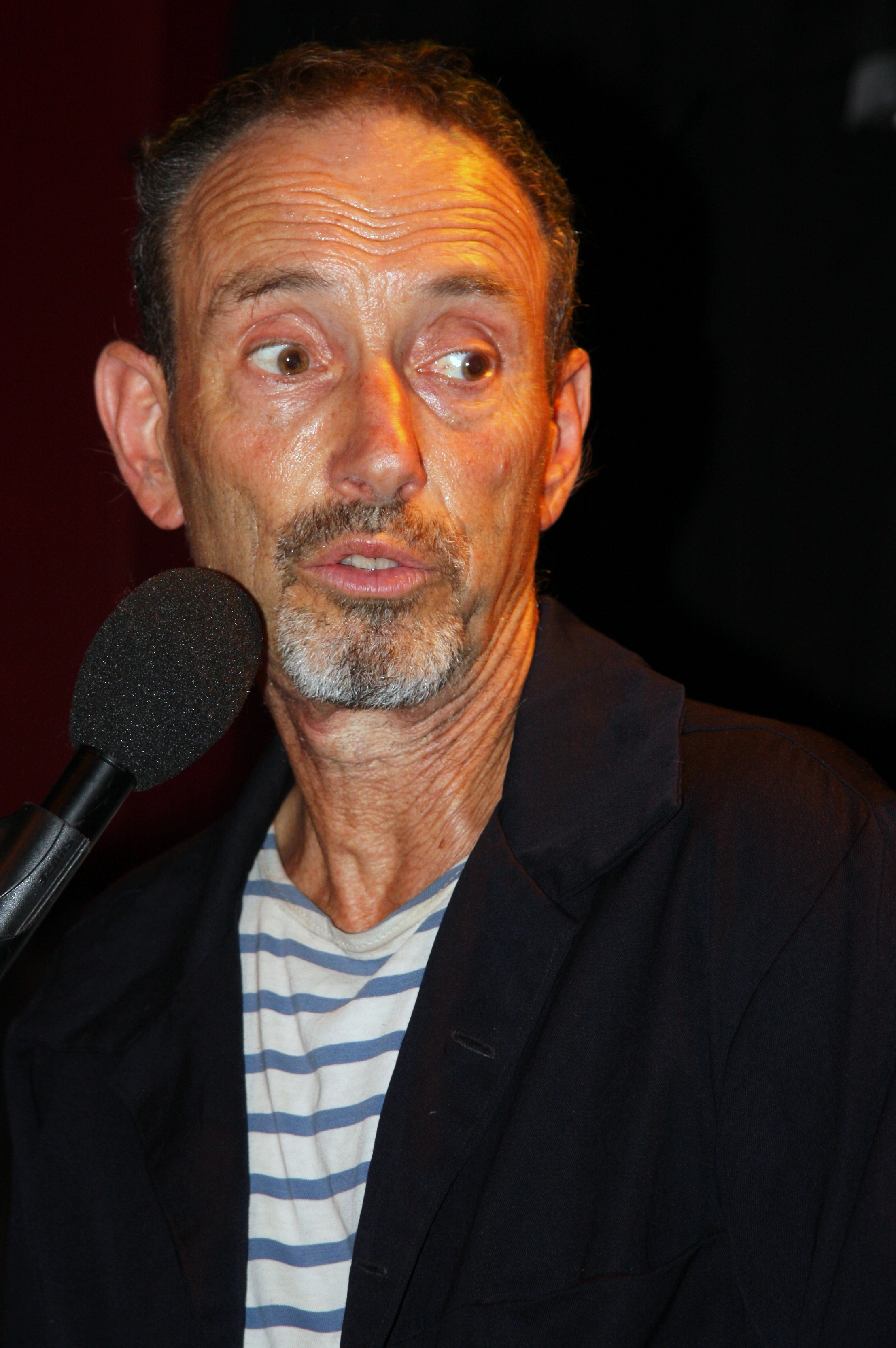

 photo: raph_ph · cc by 2.0 ↗
Mac DeMarco
sourcesWikipedia — Mac DeMarco (background) · Tape Op — Mac DeMarco · Far Out Magazine — The Steely Dan song that got Mac DeMarco into 'dad rock' (Peg/Aja testimony) · Interview Magazine — Cutting Mac DeMarco Some Slack (names Jonathan Richman as an influence, 2013) · Pitchfork — Mac DeMarco · The New Yorker — Is Mac DeMarco the Last Indie Rock Star? (biography, streaming figures)
Vernor Winfield McBriare Smith IV, renamed MacBriare Samuel Lanyon DeMarco by his mother after his father left and stopped paying child support, grew up shuttling between Edmonton and Vancouver before landing in Montreal's loft scene, then Brooklyn. He built his early records almost entirely alone, learning on a cheap Fostex 8-track and then a Tascam 4-track bought off Craigslist, slowing tape down until, as he put it, "now I've got something." Rock and Roll Night Club and 2 (both 2012) sold him as a gap-toothed goofball in lipstick and stage-diving chaos; Salad Days (2014) cracked that persona open into warbly, plainspoken confession that became a genuine touchstone — "Chamber of Reflection" alone has since streamed nearly a billion times. Underneath the jokes, DeMarco has always been chasing specific records.
the sound in question
2014
Salad DaysMac DeMarco
walk the tributaries ↓
Neil Young1970s · Folk rock / Country rock / Rock
Broke and living in Montreal with no internet, DeMarco filled his apartment with dollar-bin thrift-store records — one of them was Neil Young's Harvest. "This record I used to listen to several times a day for months and months," he said, and it became the sound he chased on 2, then again years later on This Old Dog: "I've always been trying to make something that sounds like Harvest by Neil Young," he told Tape Op. "Clean, right up in your face... You can crank it up and there's no distortion."
listen: upstream & heresource: Far Out Magazine — Mac DeMarco names 7 musicians who influenced him the most (Neil Young and Steely Dan testimony) ↗
1972
HarvestNeil Young
2017
This Old DogMac DeMarco
listen forCue up Harvest's title track, then This Old Dog's: both open on a strummed acoustic guitar sitting close enough to the mic that you can hear fingers sliding on the strings, vocals mixed dry and forward instead of washed in reverb. Where DeMarco usually buries his voice under chorus pedal and tape wobble, here it's bare — the same uncluttered, present mix Young used, chasing the same effect: a record that sounds like someone playing alone in the room with you.
Jonathan Richman1970s · Proto-punk / Rock and roll / Folk rock
DeMarco was eighteen, hadn't released a note under his own name, when he caught Jonathan Richman playing an outdoor stage at Calgary's Sled Island Festival in 2008. "It was incredible, really great," he said. "That's how you do a show, look at that guy go." He's named Richman a formative influence ever since — telling Pitchfork in 2013 that Richman was his role model: "He's a grown man, and he's having a good time on stage... hopefully, I'll be able to grow up and remain relatively happy like him."
listen: upstream & heresource: Far Out Magazine — The best concert Mac DeMarco ever witnessed (Jonathan Richman, Sled Island 2008) ↗
1972
RoadrunnerJonathan Richman
2012
Ode to ViceroyMac DeMarco
listen forRichman's "Roadrunner" rides one chugging two-chord guitar figure for four minutes while he just names what's rolling past his car window — the highway, the neon, the radio on. "Ode to Viceroy" does the same trick with a single circling riff under DeMarco naming his own vice, a cigarette brand, verse after verse. Neither song builds to a big chorus so much as it just keeps driving; the pleasure is the narrator's plain, unembarrassed delight in describing what's right in front of him.
Steely Dan1970s · Jazz rock / Soft rock / Pop rock
A friend handed DeMarco a copy of Aja, and Steely Dan's "Peg" did something none of his teenage records had: pulled him toward the smoother, session-musician side of pop. "I'd heard them in the past, but 'Peg' was the song that drew me in," he said. "I like Steely Dan's funny, jerky, intellectual New York lyrics... my own music is pulled between both sides. I'm not afraid to play some stupid guitar solo, but at the same time, I'll make a cutesy love song." A Pitchfork profile later noted he "talks about Steely Dan records with authority."
listen: upstream & heresource: Far Out Magazine — Mac DeMarco names 7 musicians who influenced him the most (Neil Young and Steely Dan testimony) ↗
1977
PegSteely Dan
2014
Chamber of ReflectionMac DeMarco
listen for"Peg" opens on a slippery, syncopated keyboard vamp that just loops, unhurried, under a smooth, double-tracked vocal — the whole song rides that one hook rather than a chord change. "Chamber of Reflection" does the same move with a synthesizer standing in for the Rhodes: a hypnotic, circular pattern that never resolves, DeMarco's voice gliding over it low and unbothered. It's the polished, unhurried side of pop DeMarco says his own music is pulled toward.