walking upstream…
George Clinton
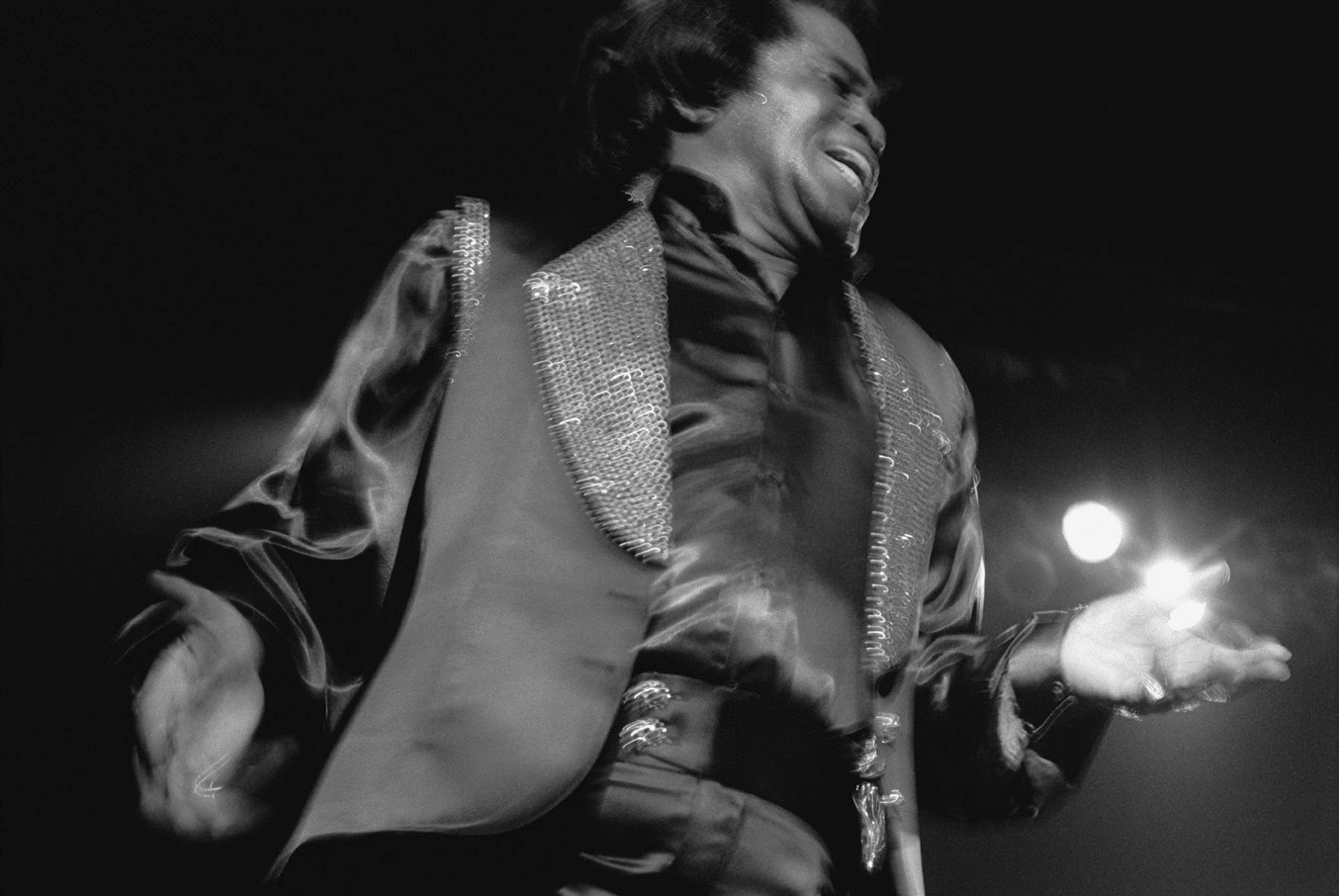


 photo: joe schneid, louisville, kentucky · cc by 4.0 ↗
George Clinton
sourcesGeorge Clinton (funk musician) — Wikipedia · The Parliaments — Wikipedia (doo-wop origins, Frankie Lymon influence) · Testify (Parliament song) — Wikipedia · Give Up the Funk (Tear the Roof off the Sucker) — Wikipedia · One Nation Under a Groove — Wikipedia · Flash Light (song) — Wikipedia · Cold Sweat — Wikipedia
George Clinton turned funk into a mythology, marshaling the sprawling Parliament-Funkadelic collective into a genre-defining vision of alien mothership grooves, absurdist theater, and bottomless one-chord vamps. He started as a doo-wop hopeful harmonizing in the back room of a New Jersey barbershop, then spent two decades building a musical universe out of interlocking basslines, gospel-drilled horns, and the conviction that a groove could carry any amount of weirdness. His P-Funk sound — sampled relentlessly by hip-hop and G-funk producers a generation later — reshaped what Black American music could sound like, and how much fun it could have doing it.
the sound in question
1977
Flash LightGeorge Clinton
walk the tributaries ↓
James Brown1960s–70s · Funk / Soul / Rhythm and blues
Clinton borrowed Brown's rhythmic discipline wholesale — the interlocking, one-chord vamp where every instrument becomes a percussion part and the bassline, not the chord change, drives the song. P-Funk stretched that JB groove out into side-long jams, but the foundational 'stay on the one' logic is straight from Brown's band.
listen: upstream & here
1967
Cold SweatJames Brown
1976
Give Up the Funk (Tear the Roof off the Sucker)George Clinton
listen forListen for how the horns stab in short, syncopated bursts against the bass and wah-guitar comping — it's the same rhythmic cell Brown drilled into the JBs, just slowed down, deepened, and left to run for eight minutes instead of three.
Frankie Lymon and the Teenagers1950s · Doo-wop / Rock and roll
Before there was a Mothership, there were The Parliaments, a doo-wop quintet Clinton assembled as a teenager and modeled explicitly on Frankie Lymon and the Teenagers. The layered close harmonies and call-and-response lead vocal that Lymon's group popularized stayed the backbone of Clinton's vocal arrangements even after the sound around them turned to funk.
listen: upstream & here
1956
Why Do Fools Fall in LoveFrankie Lymon and the Teenagers
1967
(I Wanna) TestifyGeorge Clinton
listen forListen past the horns and guitars on an early Parliaments side and you can still hear the doo-wop bones — a tight, blended group harmony trading lines with a lead voice, the same architecture Lymon and the Teenagers built their sound on a decade earlier.
Sly and the Family Stone1960s-70s · Funk / Soul / Psychedelic rock / R&B
Sly Stone showed Clinton that a Black funk band could also be a psychedelic rock band — fuzzed guitars, chanted group vocals, extended studio experimentation — and still move a room. Funkadelic's early fusion of acid-rock guitar with a funk rhythm section directly extends that Family Stone template.
listen: upstream & here
1969
Thank You (Falettinme Be Mice Elf Agin)Sly and the Family Stone
1978
One Nation Under a GrooveGeorge Clinton
listen forNotice the group-shout vocal hooks and the loose, conversational bass-and-guitar interplay — Sly's 'everybody sings, everybody solos' looseness becomes Funkadelic's sprawling, guitar-heavy jam sound, just pushed further into cosmic, effects-laden territory.