Eazy-E


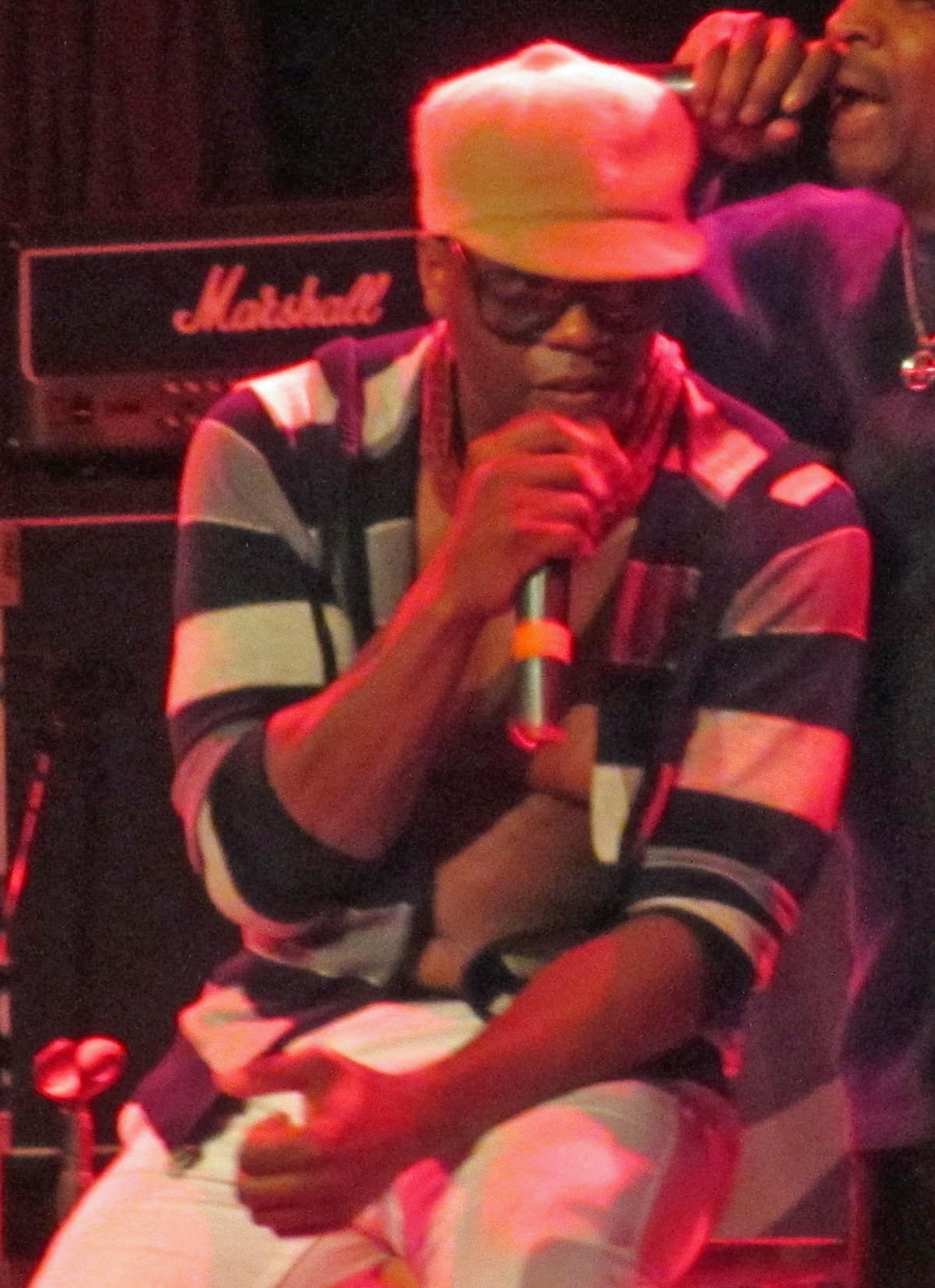
Eric Wright turned drug-dealing profits into Ruthless Records in 1987, co-founding N.W.A with Dr. Dre and Ice Cube and giving West Coast gangsta rap its first true commercial breakout with his solo debut Eazy-Duz-It (1988). Posthumously dubbed the "Godfather of Gangsta Rap" after his 1995 death from AIDS-related complications, he also used Ruthless to sign and launch Bone Thugs-n-Harmony, extending his influence into a very different, melody-driven corner of hip-hop.
AllMusic lists Ice-T among Eazy-E's key influences, and Ice-T's early, matter-of-fact narration of gang and street life gave Eazy a model for rapping about Compton without softening it for radio.
listen forSet Ice-T's "6 in the Mornin'" against Eazy-E's "Eazy-Duz-It": both narrate street life in a flat, unflinching first-person voice that reads more like reportage than a boast.
Eazy-E has cited Run-D.M.C. among his formative influences, and Run-D.M.C.'s stripped-down, declarative delivery over hard, minimal beats is audible in the plain-spoken bluntness of Eazy's own rapping.
listen forCompare Run-D.M.C.'s "Sucker M.C.'s" to Eazy-E's "We Want Eazy": both strip rapping down to blunt, boastful declarations over a hard, uncluttered beat, with almost no ornamentation.
AllMusic credits Schoolly D as an influence on Eazy-E, and Schoolly D's stark, menacing 1985 record "P.S.K." is widely considered one of the first true gangsta rap records — a direct blueprint for the crime-first subject matter Eazy-E built his solo career on.
listen forPlay Schoolly D's "P.S.K. What Does It Mean?" next to Eazy-E's "Radio": both ride a sparse, menacing beat with a cold, deadpan account of street life that keeps the violence matter-of-fact rather than cartoonish.