walking upstream…
Young Thug

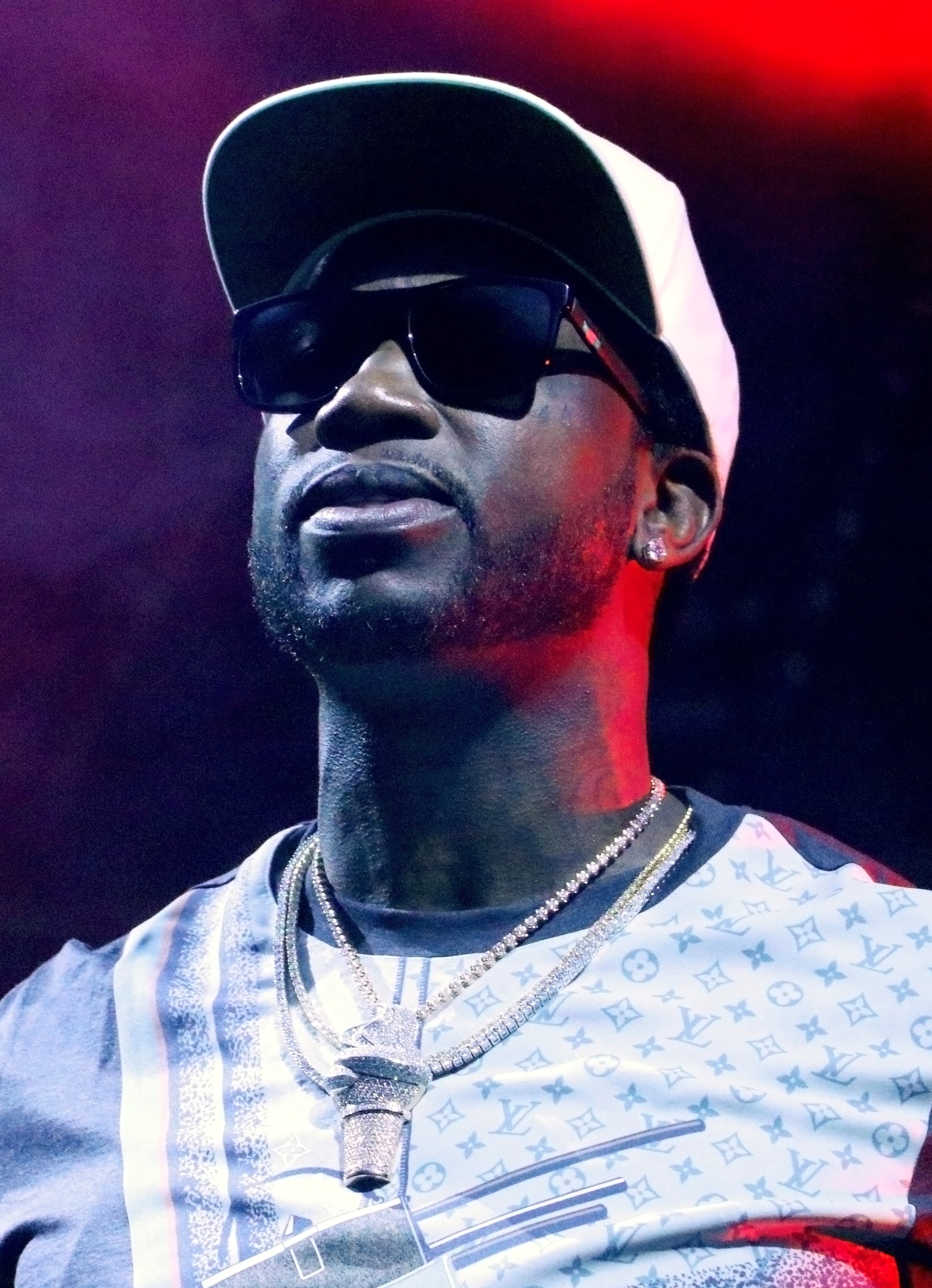

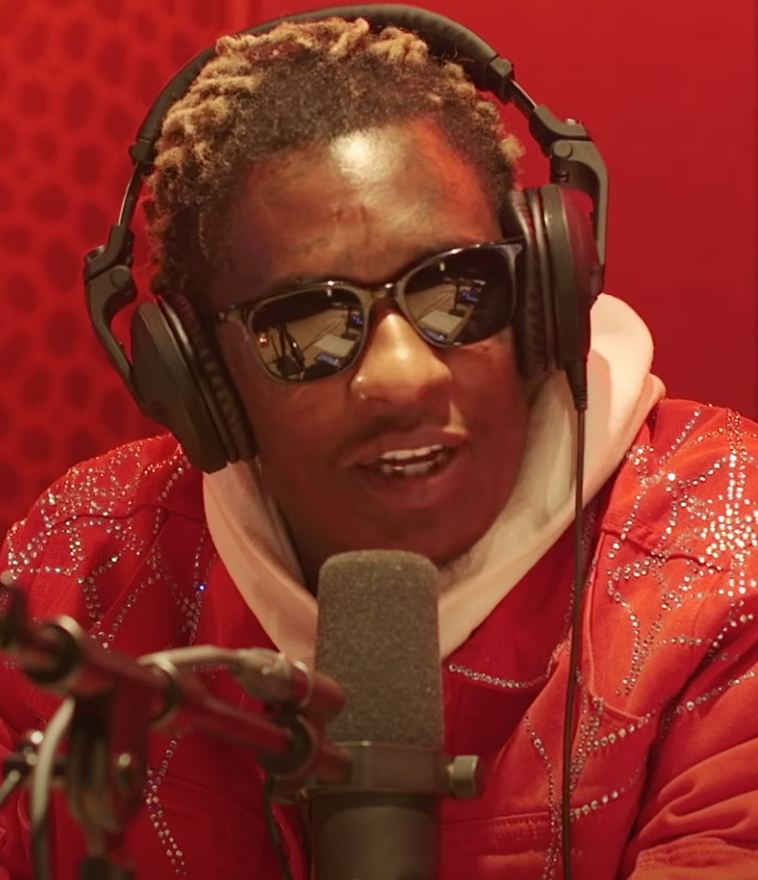
Jeffery Lamar Williams II was the youngest of eleven children raised in Atlanta's Jonesboro South housing project — "There was 11 of us," he said, "so it was worse than struggle, that shit was hell" — a childhood marked early by his brother Bennie's death in a shooting outside their home. He found an escape route sneaking into a Bankhead club to watch the local rapper Fabo perform, and by 2011 was self-releasing mixtapes, the first called I Came from Nothing. Two years later, the Atlanta rapper Gucci Mane signed him to his label, 1017 Brick Squad, without hearing a single song. By then Thug had already begun bending his voice into a warped, singsong instrument — equal parts Lil Wayne's wordplay and Future's melodic engineering, remade into something no one had rapped like before.
the sound in question
2014
StonerYoung Thug
walk the tributaries ↓
Lil Wayne2000s–10s · Southern hip hop / Trap / Pop rap
Thug has never hedged about the source. "I always paid attention to Lil Wayne, close attention," he told The FADER in 2016, "he's my idol, he's still my idol." He named Tha Carter III's "Let the Beat Build" among his favorite Wayne songs, and the debt shows up almost immediately in his own catalog — critic David Drake singled out Thug's early "We Are" and heard, in "the pauses, the half-laughing vocal turns," Wayne's fingerprints laid across a song from a rapper barely out of his teens.
listen: upstream & heresource: The FADER — Young Thug interview on Lil Wayne, Gucci Mane, and his influences ('he's my idol, he's still my idol') ↗
2008
Let the Beat BuildLil Wayne
2011
We AreYoung Thug
listen forOn "Let the Beat Build," Wayne rides a boiling-over sample with a knotty, breath-defying run of internal rhymes that never quite resolves into a normal cadence. "We Are," cut when Thug was still an unsigned teenager, borrows that same refusal to sit still: a verse that keeps interrupting itself with a half-laughing exhale between lines, words landing less like punchlines than like a private joke he's letting the listener in on.
Gucci Mane2000s–10s · Trap / Southern hip hop / Gangsta rap
Gucci Mane signed Thug to his 1017 Brick Squad Records in early 2013, sound unseen. "I signed Thug right there," Gucci later told REVOLT, "never even heard a song from him," and handed over $25,000 on faith alone. Thug repaid the gamble by naming his debut mixtape after the label itself, 1017 Thug, and putting Gucci on its fifth track, "Jungle" — less an homage than a receipt, the mentor's voice sitting audibly inside the first real record his new signee released.
listen: upstream & heresource: The FADER — Young Thug interview on Lil Wayne, Gucci Mane, and his influences ('he's my idol, he's still my idol') ↗
2009
LemonadeGucci Mane
2013
JungleYoung Thug
listen for"Lemonade," the hit that turned Gucci's flat, unhurried drawl into a pop hook in its own right, is the sound Thug grew up under. On "Jungle," the two share the same triplet-heavy trap beat, but where Gucci's verse stays level and conversational, Thug's ad-libs — yelps, stutters, a voice that keeps sliding off pitch — crowd in around it, the student visibly restless inside the mentor's own frame.
Future2010s · Trap / Hip hop
Of Future, Thug was even more direct. "He changed everything," he told The FADER in 2014, putting him in the same breath as Eazy-E and Tupac. Future's own tools — Auto-Tune bent toward feeling rather than pitch correction, hooks built from cadence more than lyric — had already remade Atlanta's sound by the time Thug arrived, and critics have long read the two as siblings in the same experiment: rhythm and tone doing the work a verse used to do.
listen: upstream & heresource: The FADER — Young Thug ↗
2011
Tony MontanaFuture
2014
Danny GloverYoung Thug
listen for"Tony Montana," the 2011 single that turned Future's warble into a genre unto itself, drapes a repeated, half-sung hook in enough Auto-Tune that the pitch itself becomes an instrument. Three years later, "Danny Glover" does something related but sharper — Thug's voice cracks and re-pitches mid-line rather than settling into a hook at all, less a melody borrowed from Future than a dare to push the same tool further.