walking upstream…
Gucci Mane
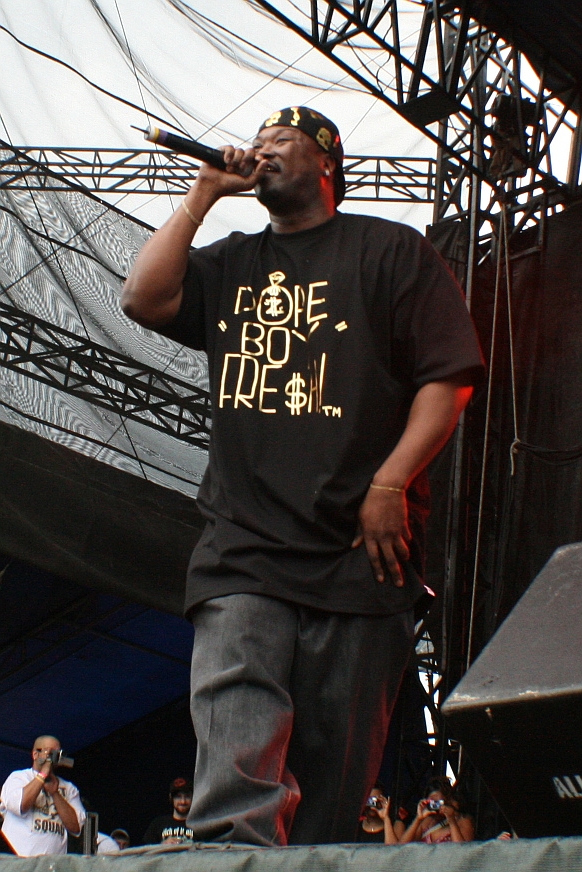
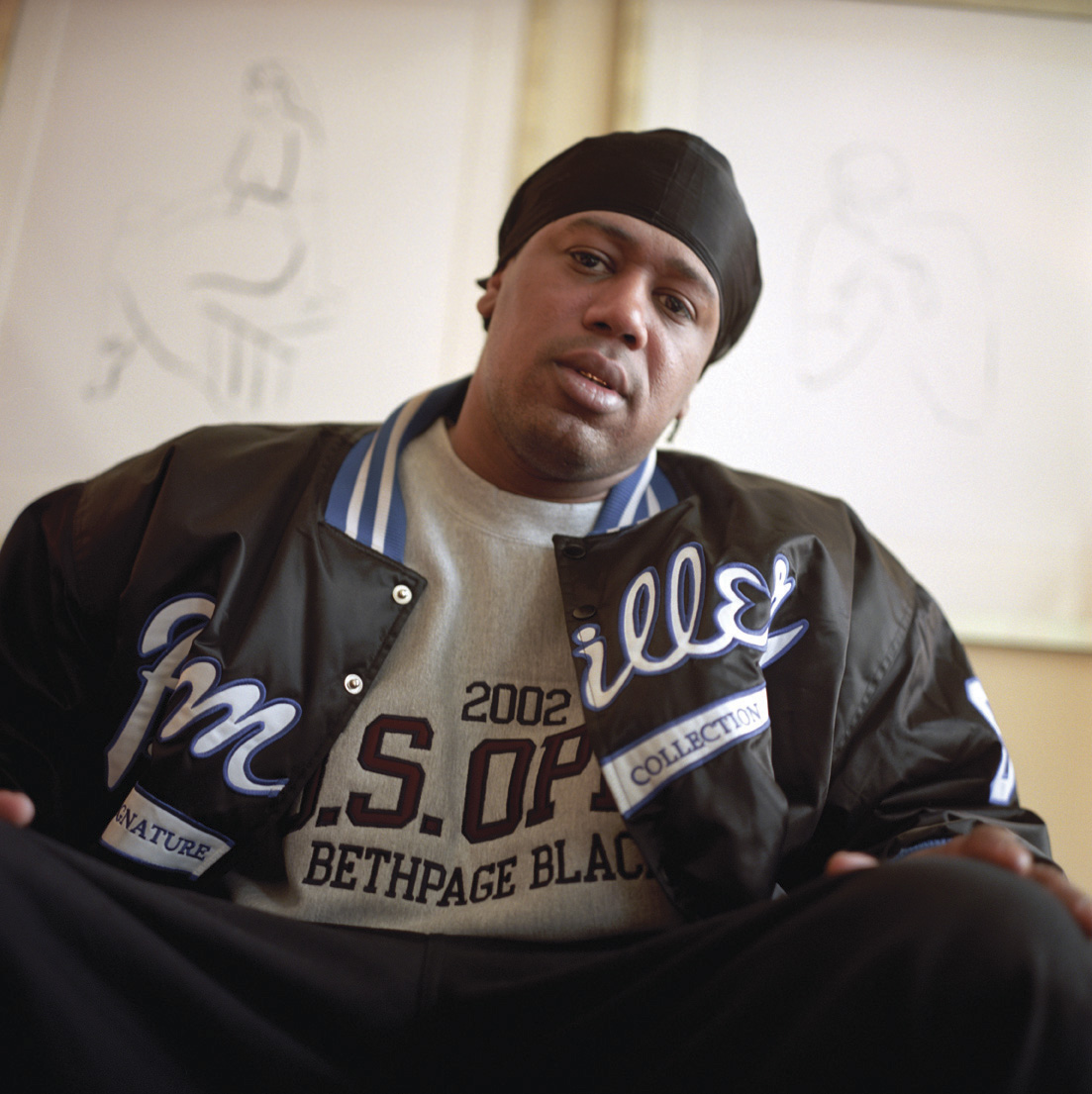
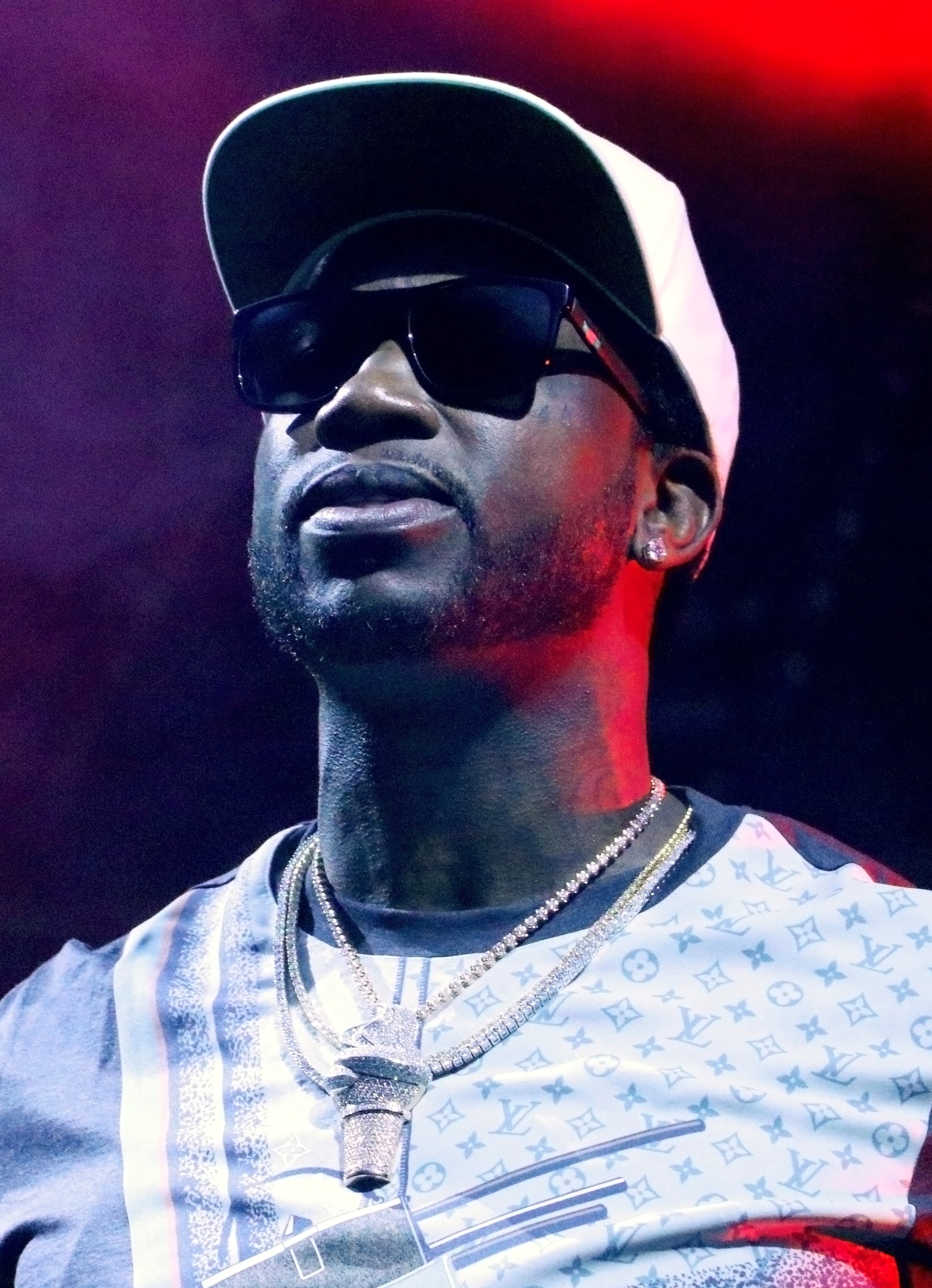 photo: evan guest · cc by 2.0 ↗
Gucci Mane
Radric Davis was eighteen when he started hustling on Atlanta's east side, Project Pat's records — Ghetty Green, Layin da Smack Down — on repeat the whole time. He didn't plan to rap: inspired by Master P and Cash Money's Birdman, he wanted to build a label from behind the scenes, managing a fourteen-year-old named Lil Buddy before anyone knew the name Gucci Mane. Then came a ninety-day jail term for a 2001 arrest, and a producer named Zaytoven who convinced him he was the artist, not the boss. Trap House, his 2005 debut, turned Atlanta's stripped-down street sound into a genre with a name — trap — that would define two decades of Southern rap. Prison kept interrupting the catalog that followed; Davis wrote his memoir from a federal cell and emerged in 2016 sober, prolific, and unmistakably himself.
the sound in question
2009
LemonadeGucci Mane
walk the tributaries ↓
Project Pat2000s · Memphis rap / Southern hip hop
Gucci has never been shy about naming the record: "I was bumping Project Pat," he told VICE of the years he spent hustling on Atlanta's east side, ages eighteen to twenty-three. "I had Ghetty Green, I had Layin da Smack Down... every time I listen to Project Pat, I'm reminded of those years." Pat — Juicy J's older brother, a Hypnotize Minds fixture — rapped in a laid-back Memphis drawl about the same trap-house economics Gucci was living through, and that specificity is what stuck: "I didn't think he was the best rapper," Gucci admitted, "but I was like, can't be Fabolous or Lil Wayne, but I can do this."
listen: upstream & heresource: VICE — The Story of How Gucci Mane Wrote His Memoir (Project Pat and UGK as his stated favorites) ↗
1999
Ghetty GreenProject Pat
2005
IcyGucci Mane
listen forProject Pat's 1999 "Ghetty Green" rides a spare, bass-heavy Memphis beat while he half-talks his verses in an unhurried, conversational drawl — bragging and hustling in the same breath, never straining for a punchline. Drop into Gucci Mane's 2005 breakout "Icy" and the same unhurried, matter-of-fact delivery is there, laid over Zaytoven's minimal, rattling production instead of DJ Paul's; where Pat sounds like he's talking to one person on a porch, Gucci sounds like he's talking to a whole city, but the plainspoken cadence traveled intact.
Master P1990s · Southern hip hop / Gangsta rap / Hip hop
Gucci's own account, from the autobiography he wrote in a federal prison cell, is plain about where the ambition started: "inspired by music moguls Master P and Birdman," Newsweek reported, "he initially wanted to make money behind the scenes," managing a fourteen-year-old rapper named Lil Buddy before he'd rapped a bar himself. It took the producer Zaytoven, met right after a ninety-day jail stint, to talk him onto the mic instead. Years later, flush with his own label built on a similar model, Gucci paid the debt back directly, rapping he was living "like Master P with golden ceilings and diamond chandeliers" on Usher's 2016 "No Limit" tribute.
listen: upstream & heresource: Newsweek — Gucci Mane Book Review ↗
1997
Make 'Em Say Uhh!Master P
2016
No Limit (G-Mix)Gucci Mane
listen forMaster P's 1997 "Make 'Em Say Uhh!" is less a song than an ad-libbed catchphrase stretched over a bounce beat — the sound of an independent label owner selling his own hype. On Usher's 2016 "No Limit (G-Mix)," Gucci Mane's verse borrows that same unbothered, half-shouted brag delivery to namecheck Master P outright, sliding his own rags-to-riches account into the same tank-and-chandelier iconography No Limit built its empire on.
UGK1990s–2000s · Southern hip hop / Gangsta rap / Dirty rap
If Project Pat set the template, Gucci has said the group he reveres even more is UGK: "If Project Pat is my favorite artist then UGK got to be my favorite group," he told VICE — and when Bun B agreed to guest on his 2005 posse cut "Black Tee," it registered as a verdict from an artist whose music he genuinely respected. The Port Arthur, Texas duo's Bun B and Pimp C had already proven an unpolished, regional Southern voice could carry a whole rap map; Gucci's own trap catalog, and the label he later built, extended that same insistence that the South didn't need anyone else's blessing.
listen: upstream & here
1996
One DayUGK
2005
Black TeeGucci Mane
listen forUGK's 1996 "One Day" unspools over a slow, funk-inflected groove, Bun B and Pimp C trading verses in an unhurried, conversational drawl that never rushes toward the hook. On Gucci Mane's 2005 posse cut "Black Tee," Bun B guests directly, and his verse keeps that same measured cadence intact against Zaytoven's sparser, more clipped trap beat — the clearest place to hear one generation's Southern flow handed straight to the next.