walking upstream…
Father

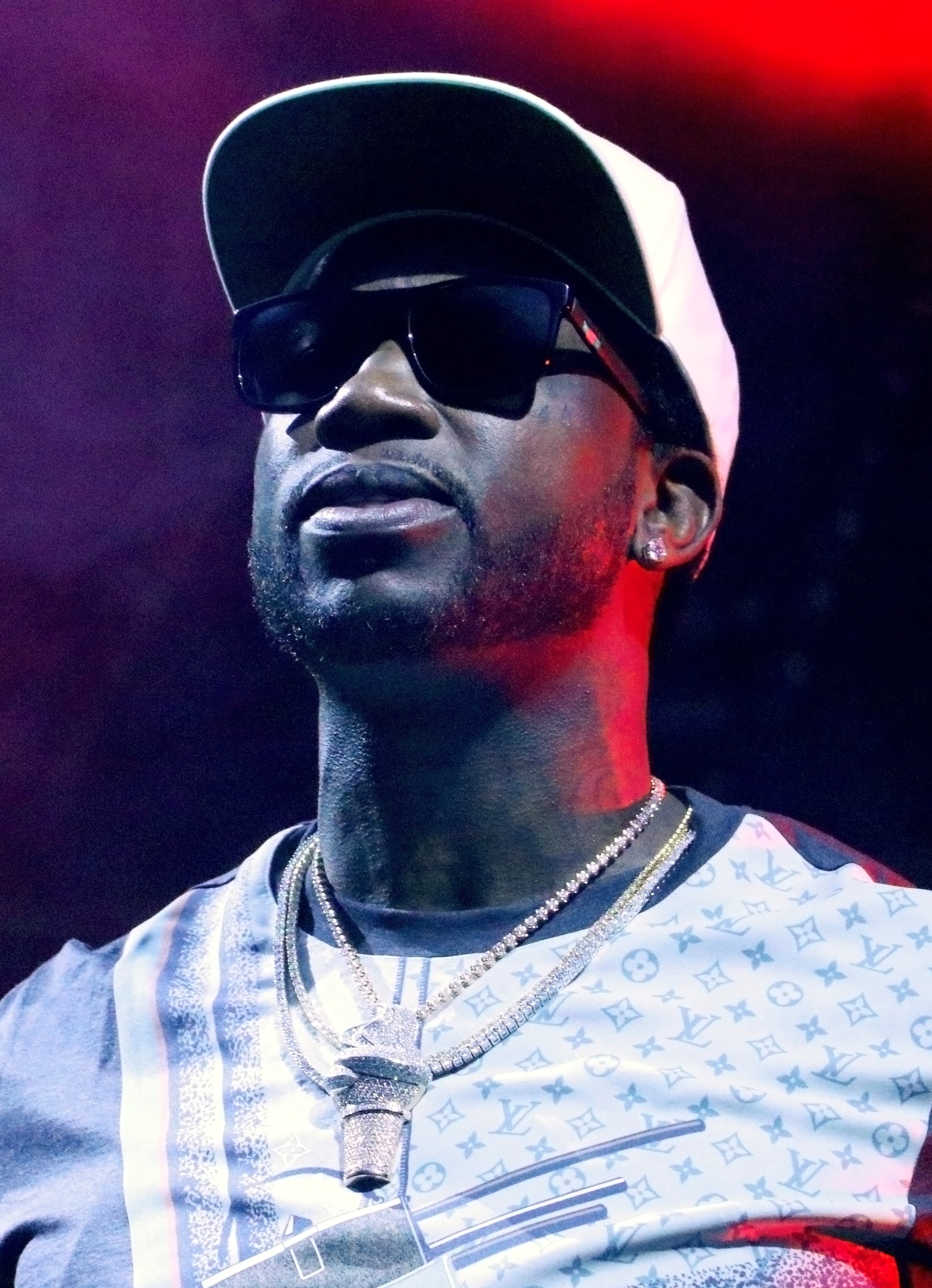

sourcesWikipedia · Billboard's Juice Podcast
Centel Mangum grew up in Mississippi before moving to Atlanta at ten, and by his early twenties, as Father, he'd turned a shared Buckhead apartment called the Darlington into the seed of Awful Records — the scrappy, genre-agnostic collective that briefly made Atlanta's underground rap scene feel like a laboratory. His breakout, 2014's 'Look at Wrist,' rode a deadpan, almost bored delivery over minimal, off-kilter production, a self-taught style he's traced to childhood Timbaland worship. He signed Faye Webster as Awful's lone folk artist, an act of curatorial faith that briefly made a country singer and a rap collective's mixtape scene labelmates.
the sound in question
2014
Look At WristFather
walk the tributaries ↓
Timbaland2000s · Hip hop / R&B / Pop
Father has said plainly that his own production instincts come from childhood Timbaland worship: 'I mimic the shit I listened to when I was younger, like Timbaland and shit like that.' It surfaces as a taste for skeletal, off-kilter beats built from clicks and negative space rather than dense layering, letting a rapper's cadence do the work a bassline usually would.
listen: upstream & heresource: The FADER ↗
2007
The Way I AreTimbaland
2014
Look At WristFather
listen forSet Timbaland's stuttering, minimal 'The Way I Are' against Father's 'Look At Wrist' — both strip a beat down to a handful of syncopated sounds and dare the vocal to fill the silence.
Gucci Mane2000s–10s · Trap / Southern hip hop / Gangsta rap
As the founder of a label that came of age in Gucci Mane's shadow — Father and his Awful Records collaborators have discussed Gucci's 'trap blueprint' impact on their own start in interviews like Billboard's Juice podcast — Father inherited a template of woozy, repetitive hooks and a bragging, deadpan delivery pitched somewhere between menace and comedy.
listen: upstream & heresource: FACT Magazine ↗
2009
LemonadeGucci Mane
2014
Cheap ThrillsFather
listen forCompare Gucci's sing-song, matter-of-fact 'Lemonade' with Father's own 'Cheap Thrills' — both ride a simple, repeated vocal hook delivered with the same flat, almost bored confidence, letting the beat's bounce carry the energy the voice withholds.
DJ Screw1990s · Chopped and Screwed / Southern Hip Hop
Critics have described Father's sound as a strange blend of 'So So Def, chop-and-screw, and sinister club music' — a nod to DJ Screw's Houston innovation of pitching records down into a woozy, syrupy drawl. Described generically since it's a critic's characterization rather than Father's own words, it shows up in his slowed, dragging cadences and tracks built to feel heavy-lidded rather than urgent.
listen: upstream & here
1996
June 27DJ Screw
2016
Slow Dance 2Father
listen forSit with a stretch of DJ Screw's 35-minute 'June 27' freestyle tape next to Father's 'Slow Dance 2' — both let the tempo sag well under a normal rap pace, turning sluggishness itself into the mood.