walking upstream…
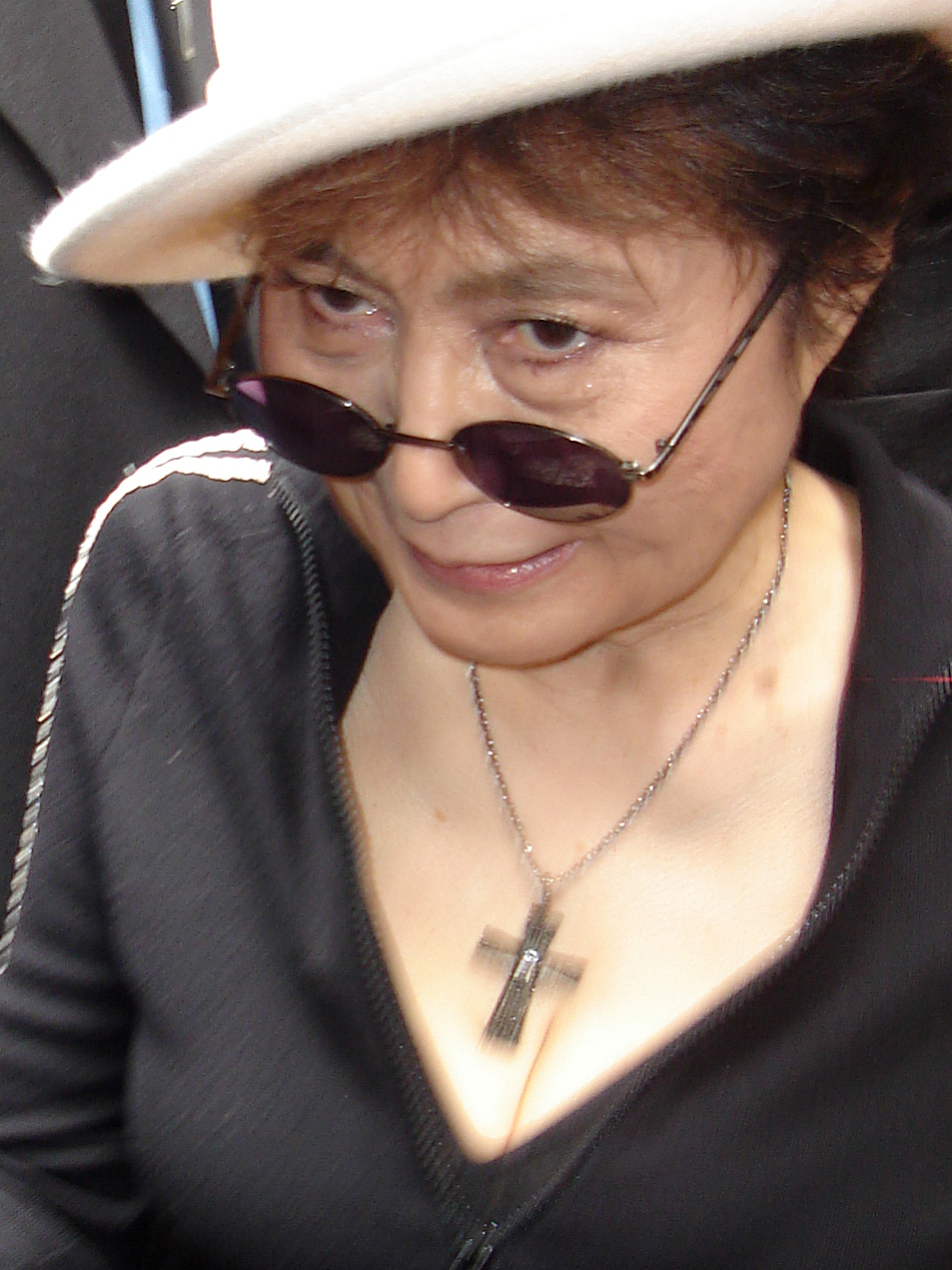
Yoko Ono


sourcesWikipedia2 · Encyclopedia.com · Madeline Bocaro
Born in Tokyo in 1933 to a wealthy banking family, Yoko Ono was studying twelve-tone composition at Sarah Lawrence College by the mid-1950s before leaving formal study to throw herself into New York's downtown avant-garde, staging Fluxus-adjacent happenings and a loft concert series that drew John Cage, Marcel Duchamp, and La Monte Young. She turned that conceptual-art instinct toward music itself, using her voice as a raw instrument — screams, wails, and wordless cries — on recordings that shocked listeners and eventually rewired what pop and rock singing was allowed to sound like. Long dismissed by the press as merely "John Lennon's wife," she has since been recognized as a foundational figure in avant-garde vocal performance, cited by later generations of art-pop singers as a direct influence.
the sound in question
1981
Walking on Thin IceYoko Ono
walk the tributaries ↓
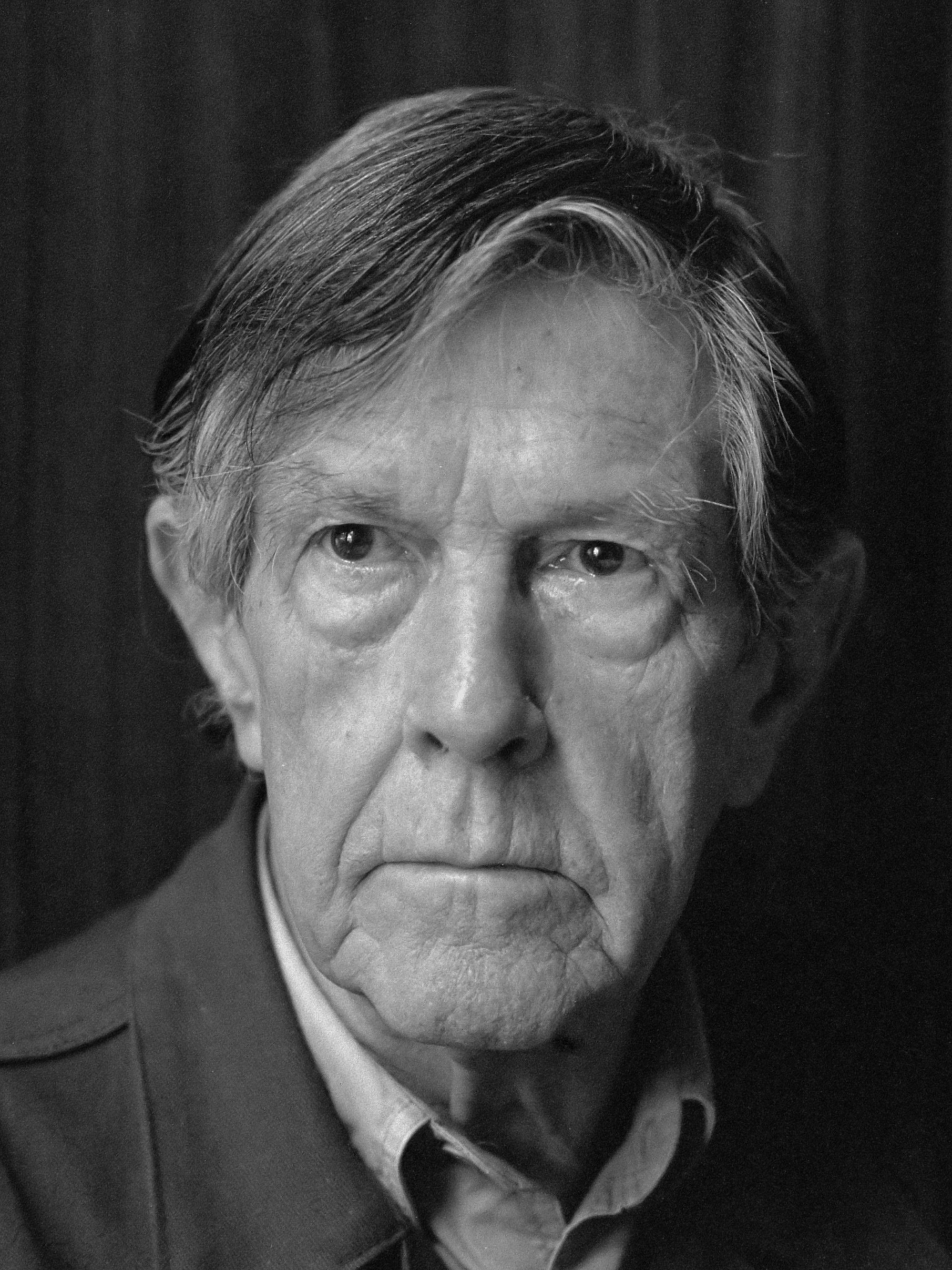
John Cage1950s · Avant-garde / Experimental / Contemporary classical
Ono met Cage in the late 1950s and later called him a kindred spirit; his ideas about duration, silence, and chance gave the young Ono, by her own account, confidence that "the direction I was going in was not crazy." She organized her pioneering Chambers Street loft concert series partly so Cage's circle would have somewhere to perform, and the two remained close friends until his death in 1992.
listen: upstream & here
1951
Music of ChangesJohn Cage
1970
Don't Worry Kyoko (Mummy's Only Looking for a Hand in the Snow)Yoko Ono
listen forListen to the eerie, structured unpredictability of Cage's "Music of Changes," composed using the I Ching to decide pitches and durations, refusing conventional melody in favor of pure event and silence — then play Ono's "Don't Worry Kyoko," where she abandons song structure entirely for a repeated, escalating vocal cry over a driving rock vamp, chance and nerve standing in for a chorus.
Ornette Coleman1960s · Free jazz / Avant-garde jazz
Ono met free-jazz saxophonist Ornette Coleman in Paris, and the encounter directly stoked her interest in using the voice as a wordless, improvising instrument, layering screams, yelps, and guttural bursts over free-jazz-style accompaniment. The connection became a literal collaboration in 1968, when Coleman's own quartet backed her on "AOS," released on her solo records the following years.
listen: upstream & heresource: Something Else! ↗
1959
Lonely WomanOrnette Coleman
1968
AOSYoko Ono
listen forPlay Coleman's "Lonely Woman" and listen to how his alto sax bends and cries almost like an untrained human voice, refusing tempered pitch — then listen to Ono's own "AOS," recorded live with Coleman's band, where her voice does the same thing his horn does: keening, sliding, and hollering rather than singing a fixed melody.
Arnold Schoenberg1910s–20s · Contemporary classical / Atonal / Twelve-tone
At Sarah Lawrence, Ono's composition teacher introduced her to twelve-tone composers, and she has said she became fixated on Schoenberg and Alban Berg's atonal work, spending hours in the library studying and imitating their scores: "I was just fascinated with what they could do." That early infatuation with breaking tonal rules entirely, rather than just bending them, primed her later embrace of music without conventional melody or harmony at all.
listen: upstream & here
1912
Pierrot Lunaire, Op. 21: I. MondestrunkenArnold Schoenberg
1970
WhyYoko Ono
listen forListen to the eerie Sprechstimme — half-spoken, half-sung — vocal line in Schoenberg's "Pierrot Lunaire," which refuses to settle into either speech or song, then play Ono's "Why," where her voice similarly hovers between scream, speech, and pitch without ever resolving into a normal sung melody.