walking upstream…
Cyndi Lauper



sourcesWikipedia · Rolling Stone · Parade
Born Cynthia Ann Stephanie Lauper in Queens, New York in 1953, she spent years singing in cover bands and training her voice by mimicking jazz and rock records before her instantly recognizable rasp-and-soar delivery broke through on 1983's She's So Unusual. Songs like "Girls Just Want to Have Fun" and "Time After Time" turned working-class Queens theatricality into MTV-era pop stardom, and she has spent four decades since moving fluidly between pop, Broadway (winning a Tony for composing Kinky Boots), and advocacy for LGBTQ+ causes. She was inducted into the Rock and Roll Hall of Fame in 2025, capping a career built on turning outsider difference into a defiantly joyful sound.
the sound in question
1983
Girls Just Want to Have FunCyndi Lauper
walk the tributaries ↓
Janis Joplin1960s · Blues rock / Psychedelic rock / Soul
Lauper has named Joplin outright as one of her great heroes in rock, saying "Janis and Grace Slick were my heroes — they were the women" who showed her a woman could front a rock band with total, unglamorous abandon. Early in her career Lauper sang covers in a Janis Joplin-style tribute act, absorbing Joplin's raw, throat-shredding belt as a permission slip to sing rock and roll without prettifying it.
listen: upstream & here
1968
Piece of My HeartJanis Joplin
1984
Money Changes EverythingCyndi Lauper
listen forPlay Big Brother and the Holding Company's "Piece of My Heart" and listen to Joplin tear the last chorus open with a gravelly, overdriven scream — then drop into Lauper's "Money Changes Everything" and hear that same willingness to let the voice crack and rasp rather than stay polished, especially on the song's climactic bridge.
Yoko Ono1960s–70s · Avant-garde / Experimental rock / Art pop
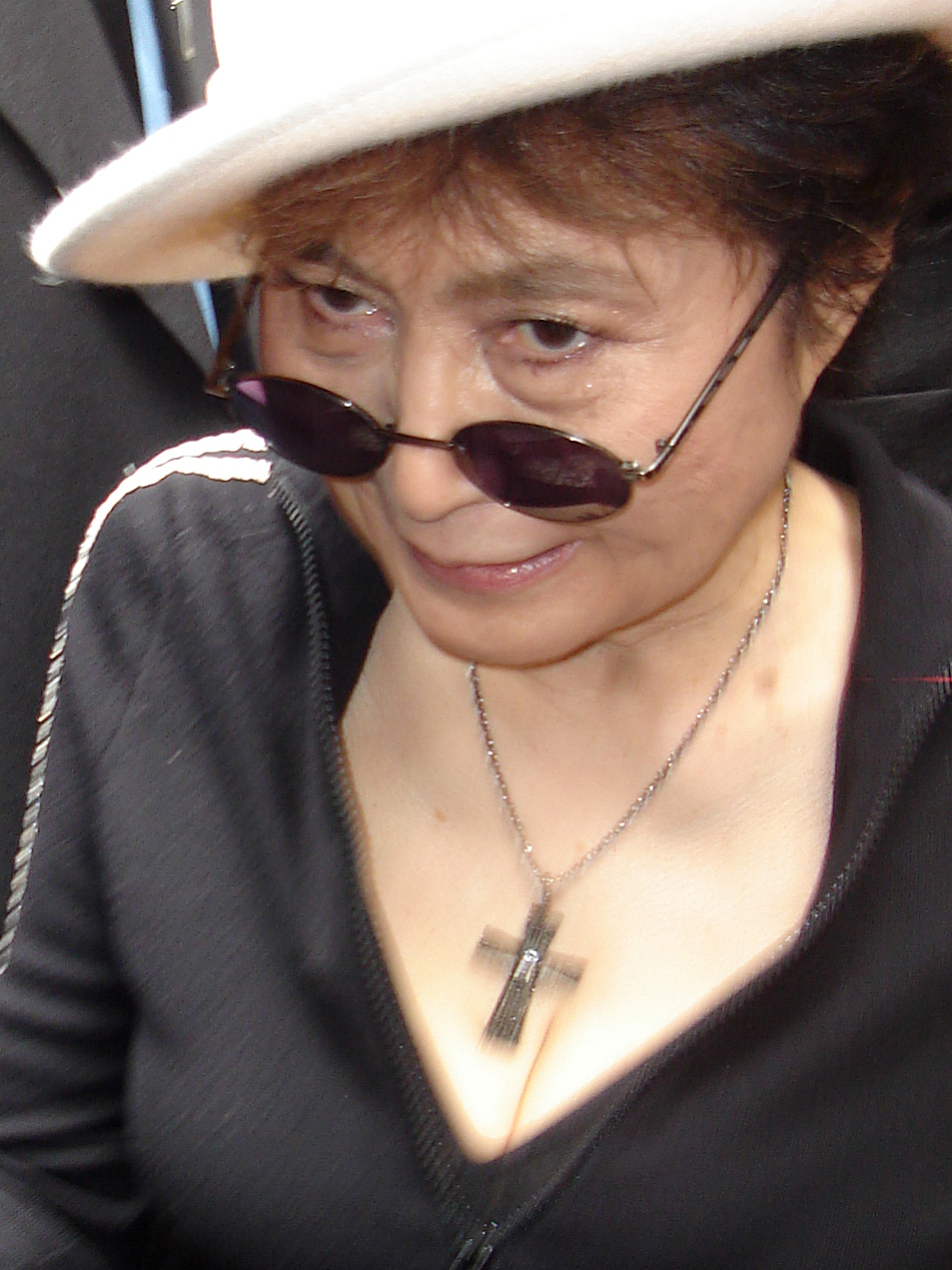
When Lauper left home at seventeen, one of the few things she carried with her was Ono's book Grapefruit, and she has since credited Ono with giving her the courage to chase an unconventional artistic life, writing that Ono's voice — like her own — was "wild and ethereal" and redefined what it meant to sing beautifully. Critics have specifically named Lauper, alongside the B-52's Kate Pierson, as a pop singer who carried Ono's unruly vocal experimentation into the mainstream.
listen: upstream & heresource: Bandcamp Daily ↗
1981
Walking on Thin IceYoko Ono
1984
She BopCyndi Lauper
listen forListen to Ono wail and shred her voice into pure sound on "Walking on Thin Ice," abandoning conventional melody for texture and shock — then play Lauper's "She Bop" and notice the yelps, hiccups, and vocal asides thrown in around the hook, a tamer but unmistakably related refusal to just sing the notes as written.
Billie Holiday1930s–40s · Jazz / Vocal jazz
As a young singer Lauper trained her voice by mimicking records rather than taking conventional lessons, and she has described the regimen bluntly: "They had me learn to sing Lester Young's saxophone solos, note for note. And Billie Holiday and Ella Fitzgerald and Frank Sinatra, the Fifties stuff." Holiday's behind-the-beat phrasing and ache-in-every-syllable delivery gave Lauper a template for bending a lyric's rhythm and pushing a plain word until it broke open emotionally.
listen: upstream & here
1941
God Bless the ChildBillie Holiday
1984
Time After TimeCyndi Lauper
listen forCue up Holiday's "God Bless the Child" and notice how she lags fractionally behind the beat, letting each phrase droop and land like a held breath — then play Lauper's "Time After Time" and listen for that same unhurried, conversational phrasing, a singer choosing to underplay a heartbreak rather than belt it.